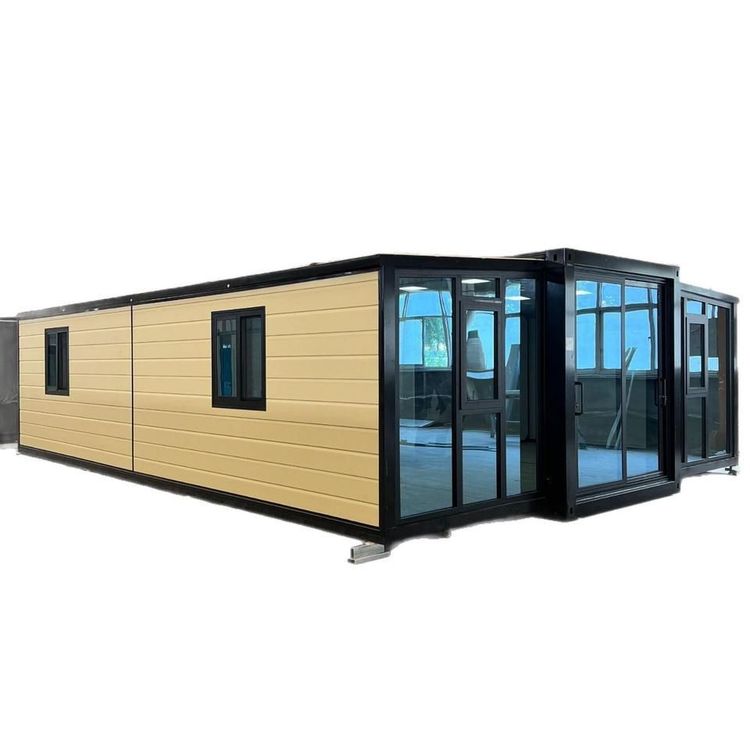
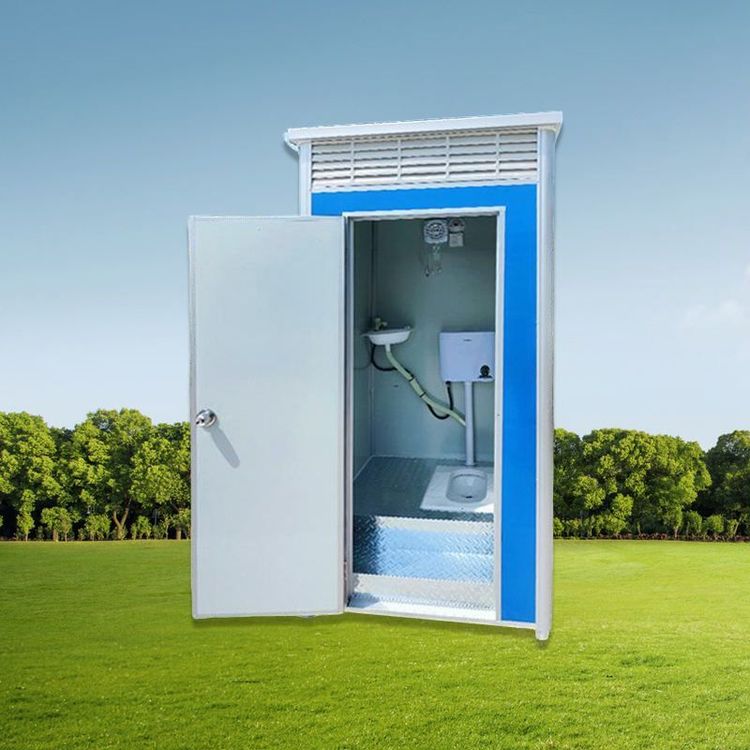
Jingbian Housing Container Rental
The housing container rental service in Jingbian can meet various needs such as temporary living, office work, and warehousing. The rental process typically includes demand confirmation, supplier selection, contract signing, delivery and use, and return and settlement.

I. Core Advantages of Housing Container Rental
Housing containers (prefabricated panel houses), centered around standardized modular design, feature mobility, rapid assembly, and cost control. In Jingbian, they have a wide range of application scenarios:
- Temporary Living: Suitable for scenarios such as construction site worker dormitories and emergency disaster relief shelters, providing basic living facilities (such as beds, lighting, and ventilation systems).
- Office Space: Can quickly set up temporary offices and meeting rooms, equipped with power and network interfaces to meet basic office needs.
- Warehousing Purposes: Serve as temporary warehouses for storing tools, materials, or equipment, with moisture-proof and anti-theft functions.
II. Rental Process and Precautions
- Demand Confirmation: Clearly define the rental purpose (living/office/warehousing), usage duration, area requirements, and budget range. For example, for long-term projects, containers with greater durability can be preferred, while for short-term emergency scenarios, rapid delivery capabilities are emphasized.
- Supplier Screening: Select suppliers with qualifications (such as business licenses and safety production licenses) through local building material markets, engineering equipment rental platforms, or industry recommendations. Focus on examining the quality of their containers (such as material thickness and welding processes), inventory levels, and delivery capabilities.
- Contract Signing: Clearly specify the rental period, rent calculation method (by day/month/year), deposit ratio, maintenance responsibilities (such as natural wear and tear being the responsibility of the lessor, and human-caused damage requiring compensation), and return process (such as advance notice period and acceptance criteria).
- Delivery and Acceptance: Check the structural integrity of the container (no deformation or cracks), the tightness of doors and windows, and the safety of the electrical system to ensure compliance with usage requirements.
- Return and Settlement: Return the container as agreed in the contract and cooperate with the lessor for acceptance. If there is damage, corresponding fees will be deducted according to the contract; the deposit will be refunded in full if there are no disputes.
III. Rental Cost Reference in Jingbian
The rent is influenced by the container's specifications, newness, and rental duration. Taking a standard 3m×6m single-story container as an example:
- Short-term rental (1-3 months): The average daily rent is approximately 80-120 yuan;
- Long-term rental (6 months or more): The monthly rent is approximately 1500-2500 yuan, with some suppliers offering discounts;
- Deposit: Usually equivalent to 1-2 months' rent, refunded in full after return without damage.
It is advisable to compare quotes from multiple suppliers before renting and to inspect the actual condition of the containers on-site to avoid choosing substandard products due to low prices.