Back to blog
Article
Jimo Living Container House
Admin September 15, 2026
The Jimo living container house is a temporary or semi-permanent residential building transformed from a container, featuring convenience, cost-effectiveness, and flexibility. It is widely used in construction site dormitories, transitional housing, and emergency scenarios.
1. Structural and Functional Characteristics
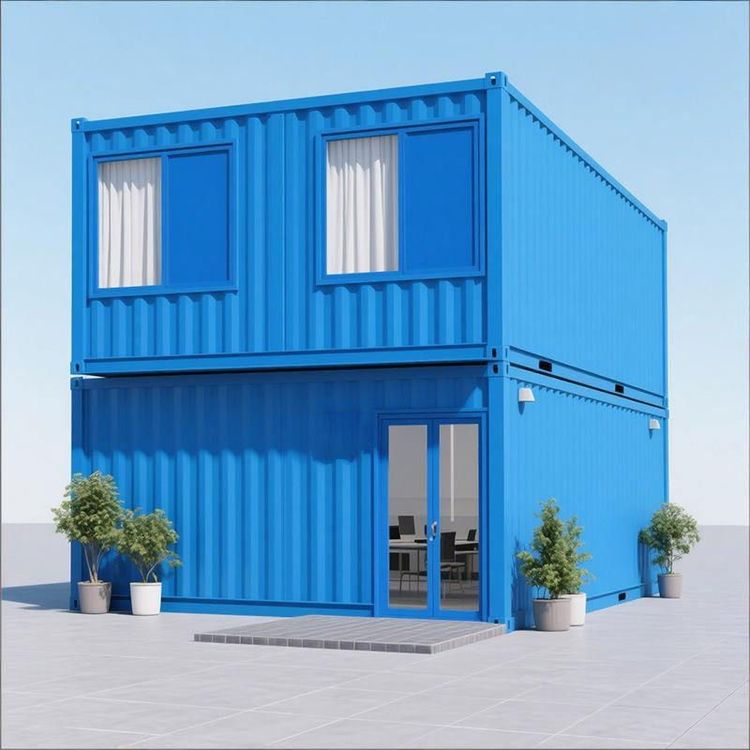
The Jimo living container house typically employs a steel frame structure, using standard containers as modular units connected through welding or bolts to form an overall structure. Its core advantages include:
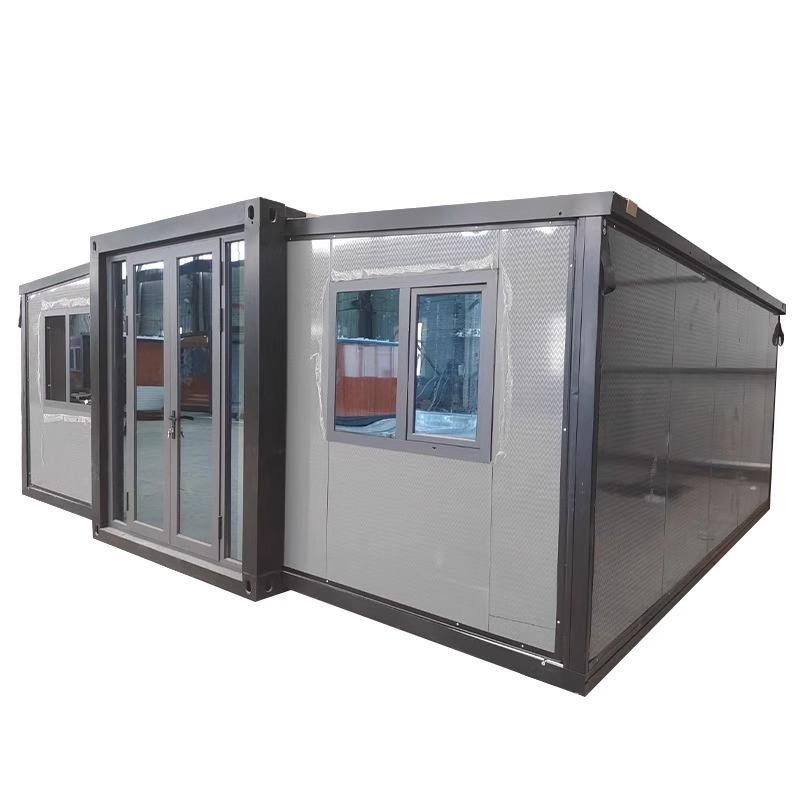
- Modular Design: It can be quickly assembled and disassembled, supporting vertical or horizontal splicing to accommodate different scale requirements. For example, the foldable container houses provided by Qingdao Jinzhouyuan Steel Structure Co., Ltd. offer flexible space expansion.
- Comprehensive Functionality: It is equipped with anti-theft doors and windows, lighting sockets, exhaust fans, air conditioning slots, and other facilities. Some products integrate fire-resistant rock wool sandwich panels to enhance thermal insulation, sound insulation, and fire resistance. For instance, the rock wool color-steel prefabricated houses from Tianjin Qihong Color Steel Structure Co., Ltd. are earthquake-resistant up to magnitude 8, wind-resistant up to level 9, and have a service life exceeding 20 years.
- Environmental Adaptability: It is suitable for complex terrains such as hillsides, hills, grasslands, and deserts, does not occupy permanent construction land, and is easy to move and reuse.
2. Application Scenarios
- Construction Sites: It serves as worker dormitories, offices, or temporary warehouses, replacing traditional sheds and improving safety and comfort. For example, the products of Qingdao Hongye Machinery Manufacturing Co., Ltd. are widely used in construction, coal mining, bridge construction, and other sites.
- Transitional Housing: It meets the short-term housing needs of urban low-income families, migrant workers, new graduates, and relocated households.
- Emergency Support: In natural disasters or emergencies, it functions as a temporary shelter or command center. The emergency material support plan in Jimo District explicitly includes container houses in the emergency material reserve system.
3. Industry Status and Challenges
- Low Market Awareness: Container houses are still an emerging industry in China, with insufficient public understanding of their environmental friendliness and cost-effectiveness. Policy support, such as construction land approval, needs improvement.
- Technological Upgrade Needs: Some companies enhance product performance by optimizing materials (e.g., fire-retardant sandwich panels) and designs (e.g., concealed drainage systems), but the overall standardization of the industry still needs to be improved.
- Cost Advantage: Taking Qingdao Hongye Machinery Manufacturing Co., Ltd. as an example, its product is priced at 13,000 yuan per unit, significantly lower than traditional construction costs, and has a short installation period, making it suitable for budget-constrained scenarios.
Related