Jiexi Mobile Toilet Installation
The installation process of mobile toilets in Jiexi is usually simple and quick, with specific steps and precautions as follows:

1. Positioning and Site Preparation
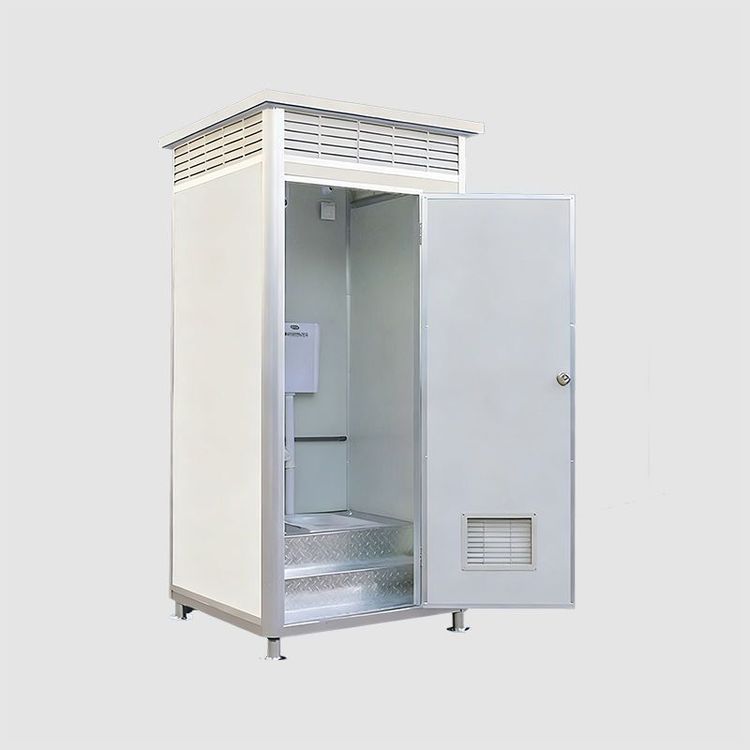
Before installation, determine the location of the mobile toilet according to the site plan, prioritizing areas with solid ground and smooth drainage. For temporary use, ensure the site flatness meets requirements to avoid structural tilting or pipeline connection issues due to ground settlement. Integrated mobile toilets (such as box-type toilets) have lower site requirements but need to reserve lifting space and water and electricity connection points.
2. Chassis and Frame Installation
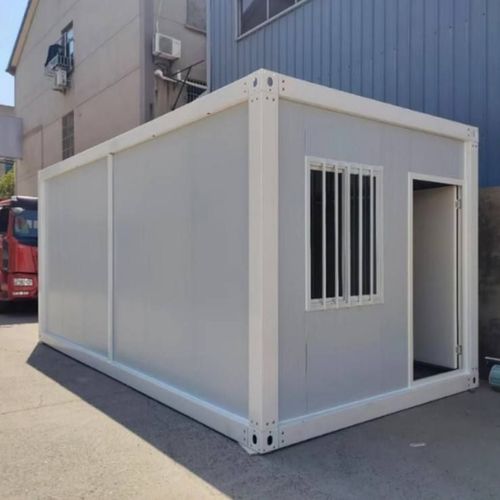
- Conventional Mobile Toilets: Use a forklift or manual labor to place the prefabricated steel structure chassis steadily at the predetermined position. Adjust the chassis to a horizontal state using a level to ensure the stability of subsequent wall installations.
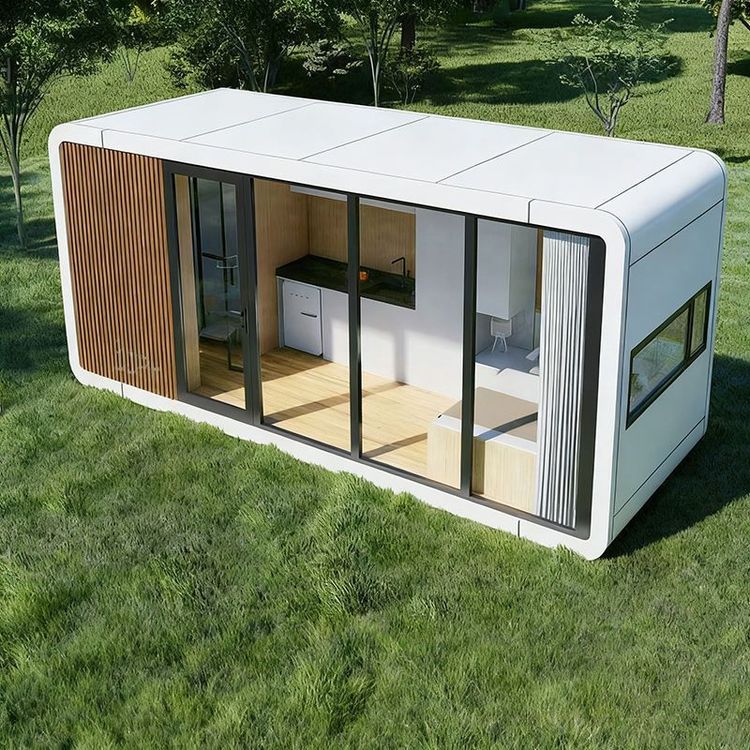
- Integrated Mobile Toilets: Directly lift the entire box body to the designated position using a crane, eliminating the need for on-site frame assembly and significantly shortening the installation time.
3. Wall and Roof Panel Installation
- Conventional Types: Insert the sandwich panel wallboards into the chassis slots one by one and secure them with bolts or clips. Then install the roof panels and seal the joints to prevent rainwater leakage. This step usually takes 1-2 hours, with attention to the verticality and sealing of the wallboards.
- Special Types: For foam-type mobile toilets, additional installation of foam devices and sewage tanks is required, ensuring tight connections between the control system and the toilet body. For waterless mobile toilets (such as biodegradable types), select the appropriate technology type based on ambient temperature and check the integrity of the box frame (steel/aluminum alloy) and cladding (fiberglass/stainless steel).
4. Internal Facility Connection and Debugging
- Water and Electricity Pipeline Connection: Install toilets, flushing systems, sinks, lighting, and ventilation equipment, and connect water and electricity pipelines. Modular quick-connect designs can shorten the time but should be operated by professionals to avoid water leakage or short circuits.
- Function Testing: Conduct flushing tests, circuit checks, and sealing tests to ensure all functions operate normally. For integrated mobile toilets, this step usually takes only 1-2 hours due to factory-preinstalled equipment.
5. Installation Points for Special Types
- Waterless Mobile Toilets: Biodegradable types require a constant temperature environment (e.g., 20-30°C), while incineration types need to adapt to extremely cold conditions (below -30°C). Verify technical parameters during installation.
- Foam-Type Mobile Toilets: Confirm the supply of foam liquid and the smoothness of the sewage pipeline, suitable for areas without fixed water supply and drainage networks.
Overall Installation Time: Conventional mobile toilets take approximately 4-8 hours, while integrated types can be shortened to 2-4 hours, depending on equipment complexity and site conditions.