Jiaxing Intelligent Mobile Toilet Design
The design of Jiaxing's intelligent mobile toilets is reflected in multiple aspects such as exterior structure, color matching, and sanitation design.

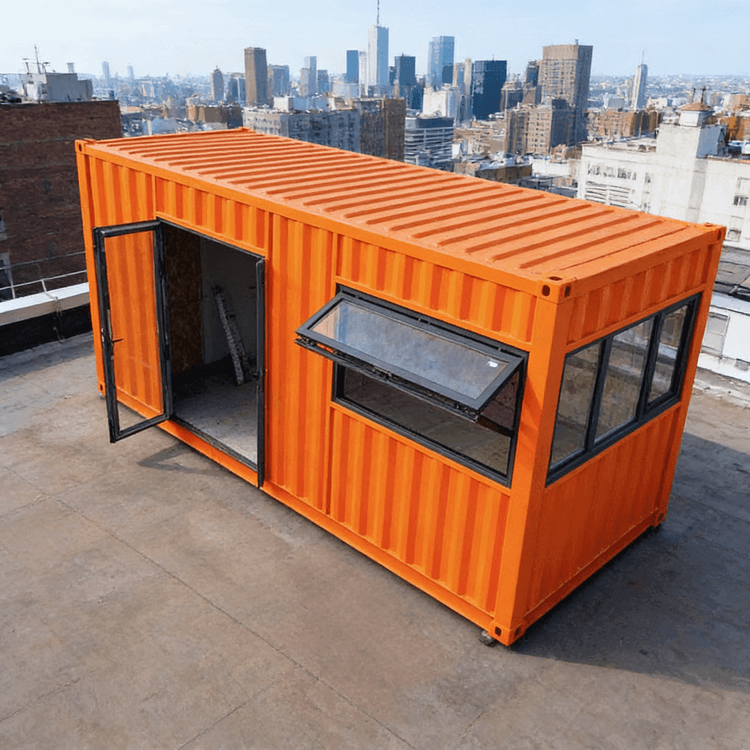
In terms of exterior structure, a modular design is adopted, reducing the self-weight by 30% compared to traditional toilets. It can be disassembled during transportation and installed in just 30 minutes, allowing for easy transportation by trucks. The use of lightweight and eco-friendly materials enhances its wind and earthquake resistance, making it suitable for diverse scenarios such as scenic spots, exhibitions, and temporary event sites without affecting the aesthetic appeal of the environment.
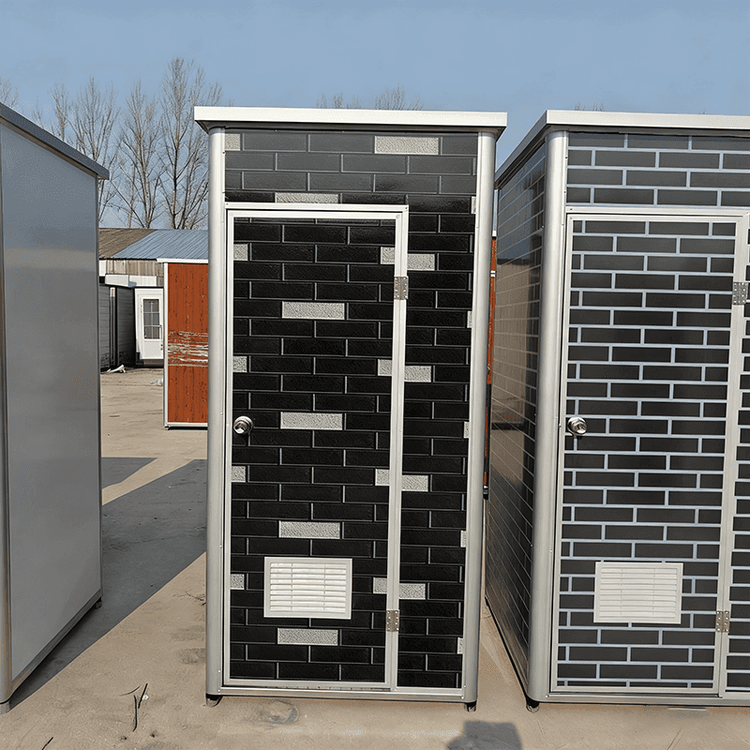
Regarding color matching, it breaks away from the traditional 'monotonous white' and achieves 'one scene, one color'. For example, in the Yuehe Historical Street area, a combination of natural wood color and blue-tiled roofs is used, seamlessly blending with the ancient street architecture. In the botanical garden, light green and off-white are paired, resembling a natural extension. In commercial areas, light gray with metallic accents is adopted, exuding a simple yet elegant texture. Currently, over 80% of mobile toilets in the city adopt customized color schemes, seamlessly integrating with the surrounding environment.
In terms of sanitation design, most are equipped with automatic flushing systems, use eco-friendly materials, and are regularly cleaned and disinfected. The operators arrange for professional personnel to conduct regular maintenance based on usage frequency to ensure a good sanitary condition. The Jiaxing service area has also introduced Feimu automatic self-cleaning toilets, specifically designed for those accustomed to using toilets, with simple operation.
For ventilation and odor control, advanced ventilation designs and high-efficiency deodorizers are used. The internal partition design effectively isolates odors from different users, enhancing the user experience.
The capacity design is reasonable, capable of accommodating a relatively large number of people. It is configured according to the scale of the event and the expected footfall to ensure normal operation during peak periods. Additionally, considering the need for barrier-free access, it facilitates use by all groups of people. In terms of safety design, fire-resistant materials are used, equipped with emergency call devices, and the structure possesses a certain degree of stability, ensuring safe use under different weather conditions.
In terms of eco-friendliness, many adopt biodegradable materials and are equipped with sewage treatment systems to reduce environmental impact. The operating units regularly treat the sewage to ensure no pollution to the surrounding environment. The internal system consists of a load-bearing and isolation system, a sanitation and sewage system, an environment maintenance and user interface system, etc. These systems work together to maintain a basic clean and usable temporary environment with limited resources.