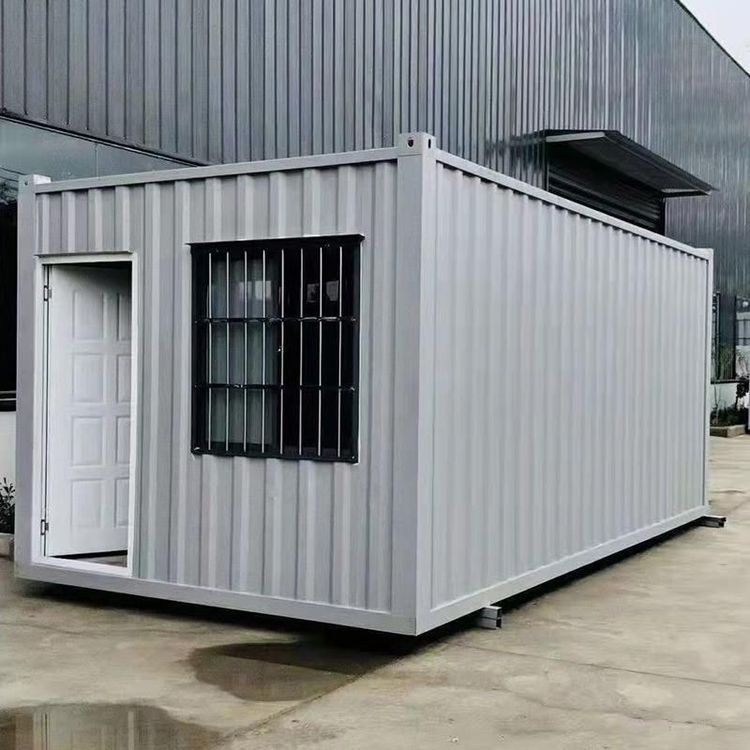
Jiangxi Mobile Toilet Operation
Jiangxi mobile toilet operation covers multiple key aspects, including market trends, operational services, installation processes, and daily maintenance.

Market Trends
The mobile toilet industry in Jiangxi is experiencing rapid expansion, with intelligence and branding becoming core development directions. Product application scenarios continue to diversify, extending beyond traditional construction sites and tourist attractions to urban streets, parks, and large-scale event venues. Order sources are becoming increasingly diversified, encompassing event support, urban infrastructure, and cultural tourism scenarios, reflecting sustained growth and segmentation in market demand for mobile toilets.
Operational Services
Professional manufacturers offer full-chain services, including the sale and leasing of mobile toilets and related supporting products. Service coverage spans product research and development, production, sales, and technical training, forming a one-stop operational model. Core businesses primarily focus on mobile toilet leasing and event restroom leasing, emphasizing the establishment of long-term cooperative relationships through high-quality services. For example, some enterprises meet the needs of different scenarios through customized solutions, enhancing customer satisfaction.
Installation Process
- Preliminary Preparation: Determine the installation location, confirm site conditions (such as ground flatness and water and electricity access points), and complete relevant approval procedures.
- Transportation and Unloading: Use specialized vehicles for equipment transportation, ensuring secure fastening during transit to prevent damage; handle with care during unloading to avoid structural damage from impacts.
- Installation Execution: Complete foundation fixation (such as anchor bolt installation), drainage system connection (ensuring sewage discharge complies with regulations), water and electricity inspection (testing power and water supply stability), and detail checks (such as door lock and flushing device functionality).
Daily Maintenance
- Cleaning and Disinfection: Conduct comprehensive cleaning at least twice daily, with a focus on disinfecting internal facilities (such as toilets and handrails), using compliant disinfectants and recording operation times.
- Facility Maintenance: Regularly inspect water and electricity systems, flushing devices, and door locks, promptly replacing aged or damaged parts to ensure normal equipment operation.
- Waste Disposal: Empty trash bins daily, classify waste according to local environmental requirements, and avoid environmental pollution.
- Emergency Mechanism: Equip with backup devices (such as mobile toilet units and generators), and establish emergency response procedures for sudden failures to ensure rapid service restoration in case of equipment malfunctions.