
Jiangxi Environmental Protection Mobile Toilet
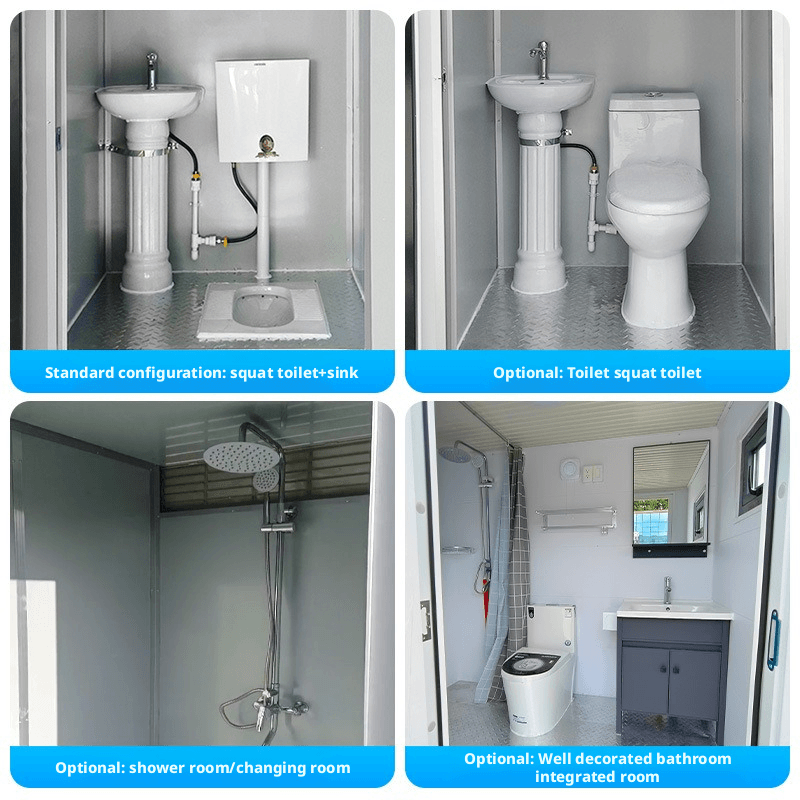
Jiangxi environmental protection mobile toilets are characterized by rapid industrial development, clear usage specifications, and precise deployment requirements, making them suitable for various scenarios such as construction sites, events, and temporary projects.
I. Industrial Development Trends
The mobile toilet industry in Jiangxi is rapidly expanding, with intelligence and branding becoming the main directions. Product application scenarios have extended from traditional construction sites and scenic spots to city streets, parks, and large-scale event venues. Order sources cover event support, urban infrastructure, and cultural tourism scenarios. New-type mobile toilets focus on environmental harmony and exterior design, integrating functions such as automatic flushing and energy-saving lighting. Some are connected to IoT technology for remote monitoring and management. The industry shows significant trends towards branding and specialization, with policy support promoting standardized and regulated development. Enterprises need to enhance competitiveness in terms of quality, service, and management.
II. Usage Specifications for Construction Sites
- Site Selection and Configuration: Mobile toilets should be located away from main construction roads, material storage areas, and living quarters, maintaining a safe distance from hazardous areas. One unit should be provided for every 50 construction workers, with a recommended ratio of male to female toilet stalls of ≥1:1.5.
- Maintenance and Cleaning: The leasing party must clean at least twice daily, focusing on disinfecting contact areas such as toilets and sinks, with increased frequency during rainy seasons. Toilets should be equipped with toilet paper, hand soap, and other supplies, with regular inspections of water, electricity, and sewage systems.
- Safety and Emergency Measures: Anti-slip and anti-tipping measures should be taken, with the bottom secured using expansion bolts. It is recommended to install sunshades in high-temperature weather and develop emergency plans to clarify procedures for blockages and equipment failures.
- Environmental Requirements: Products complying with Jiangxi's environmental protection standards should be selected, prioritizing water-saving and biodegradable fecal treatment systems. Fecal waste must be regularly collected and transported by professional units, and it is strictly prohibited to connect directly with construction wastewater systems to ensure compliance with the "Jiangxi Water Pollution Prevention Regulations."
III. Deployment Requirements for Events and Temporary Projects
- Location and Quantity: For large-scale events, at least one toilet stall should be provided for every 50-100 people, with spacing controlled within 100 meters; for small temporary construction sites or markets, one stall should be configured for every 200 square meters. For example, a music festival in Fuzhou with 10,000 attendees was equipped with 25 toilet stalls, all within 80 meters of each other.
- Facilities and Functions: The interior should adopt odor-proof design, equipped with anti-slip floor tiles and handrails; exterior signage should be posted, with reflective strips added at night. Water-flush toilets should use no more than 3 liters of water per flush, and dry toilets should be collected and transported every 24 hours.
- Site Selection and Environment: Avoid low-lying flood-prone areas, maintaining a distance of at least 5 meters from dining areas and drinking water sources. For construction sites, choose hardened ground and set up fences and green belts around the perimeter; for scenic spots, it is recommended to conceal them in woods or flower beds to minimize landscape disruption.
- Leasing Services: Legitimate companies should conduct site surveys 72 hours in advance, complete installation and commissioning within 3 days, and deploy operation and maintenance teams for daily inspections. Clearance and facility restoration should be completed within 4 hours after the event, with users required to sign contracts including emergency plans.
- Compliance and Acceptance: Compliance with the "Standards for the Installation of Urban Environmental Sanitation Facilities" is required, with quality inspection reports provided. Leasing units must possess environmental protection filing qualifications. During events, dedicated personnel should be arranged to guide usage, and disinfection should be carried out after use to prevent odor spread.



