
Back to blog
Article
Design and Construction of Mobile Toilets in Jiangsu
Admin October 10, 2026
The design and construction of mobile toilets in Jiangsu cover two core aspects: design and construction, requiring comprehensive consideration of factors such as functionality, materials, craftsmanship, and safety and environmental protection.
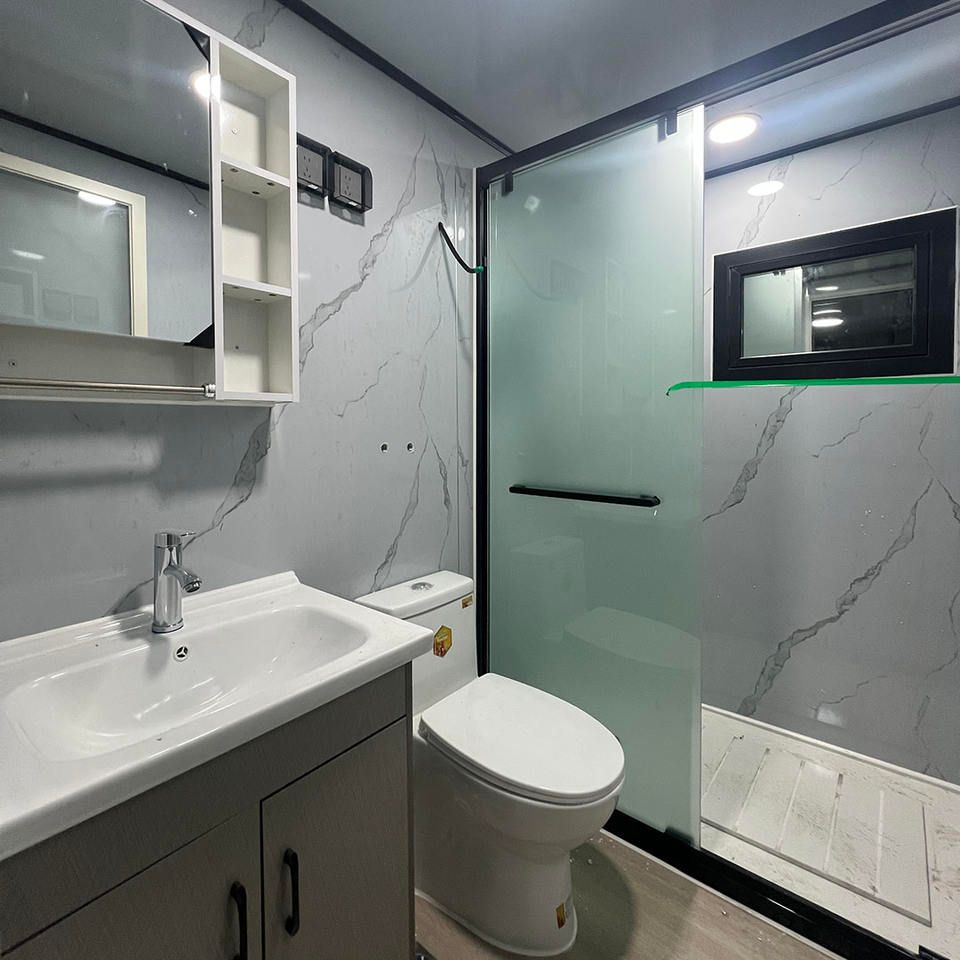
Design Aspect
- Structural Design: Mobile toilets at construction sites in Jiangsu often adopt an integrated design, with the main body primarily made of fiberglass or steel, featuring waterproof and sun-resistant properties. The interior space is approximately 1.2-1.5 square meters, equipped with standard蹲便器 (squat toilets), washbasins, lighting, and ventilation devices, with high-end products adding deodorization systems. Customized models, such as the Nanjing Haojia mobile toilet, adopt a double-unit home design, with a width of 1.6 meters and a length of 3 meters, equipped with plastic-wood floor corridors, aluminum alloy doors, marble-patterned wall panels, and ceramic washbasins, among other home-like configurations, to meet differentiated needs.
- Functional Configuration: Supports non-standard customization and can integrate intelligent flushing, ventilation, lighting, and disinfection devices, suitable for construction sites, scenic spots, and other scenarios. For example, mobile toilets in scenic spots can add maternity rooms and barrier-free facilities to enhance the user experience.
- Material and Craftsmanship: Uses a thickened national standard steel structural frame, treated for rust prevention, corrosion resistance, and oxidation resistance, suitable for environments with heavy rain, intense sun exposure, and high salt spray, increasing the service life by 50% compared to traditional products. High-end sealing techniques are used at joints, with a waterproof rating of IPX5, preventing water infiltration on rainy days and reducing maintenance costs.
Construction Aspect
- Construction Objectives: Ensure quality meets national standards, progress is controllable, there are zero safety accidents, and environmental impact is minimized. For example, during construction, fences need to be set up to control dust and noise.
- Construction Preparation:
- Document Preparation: Includes construction drawings (plan, elevation, and section views), construction organization design (specifying plans, progress, and safety measures), and material lists.
- Personnel Allocation: The project manager coordinates overall, construction workers execute operations, quality inspectors conduct full inspections, and safety officers supervise protection.
- Equipment and Materials: Excavators level the site, cranes lift the main body, and welding machines process steel bars; steel is used for the frame, concrete is poured for the foundation, and waterproof materials handle leakage.
- Construction Techniques:
- Foundation Construction: After surveying and positioning, excavate the soil and pour the concrete foundation to ensure a level site.
- Main Body Construction: Bind the steel reinforcement framework, install embedded parts, pour concrete, and vibrate it densely.
- Decoration and Installation: Lay tile walls and floors, install sanitary ware (such as toilets and washbasins), lay electrical wires, and install lighting fixtures and sockets.
- Acceptance Process: Conduct a comprehensive inspection of the structure, waterproofing, and electrical systems, organize acceptance after meeting design requirements, and handle delivery procedures.
Related
You may also like

28Oct
Portable Toilet Custom Explained: How to Choose the Right One
Read More
28Oct
Top Portable Toilet Smart Manufacturers: How to Choose a Factory Partner
Read More
28Oct
Portable Toilet Picture: Top Options & Considerations
Read More
28Oct