Jiangsu Container House Earthquake Resistance
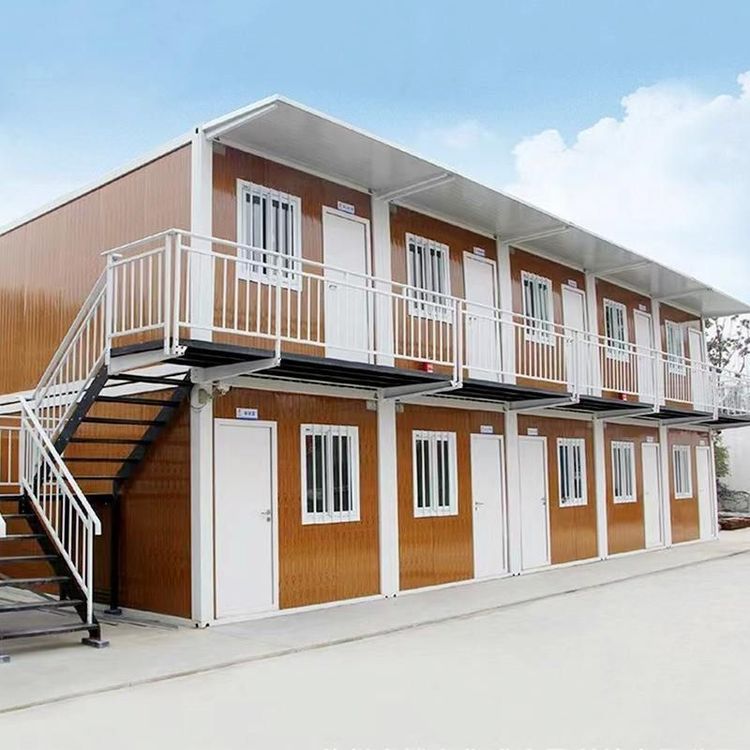
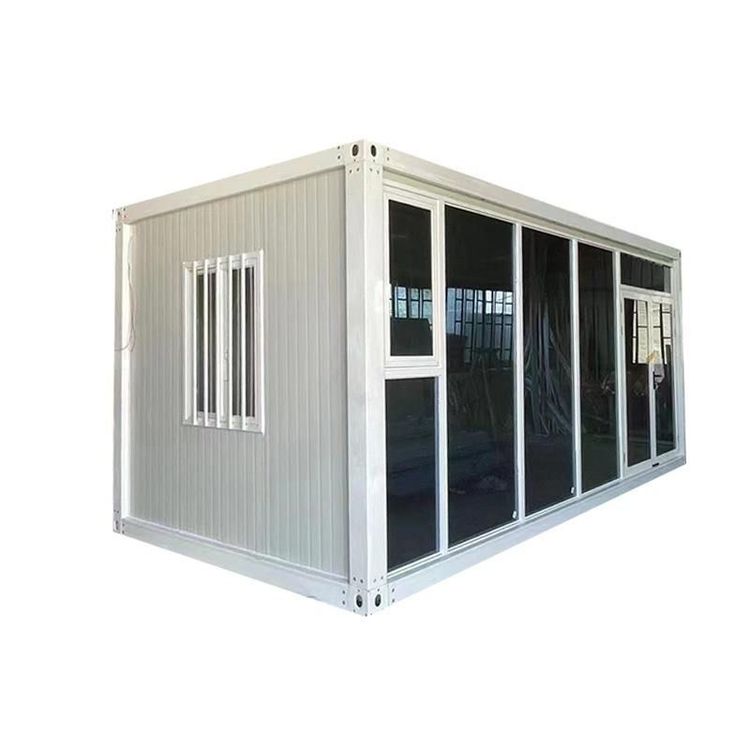
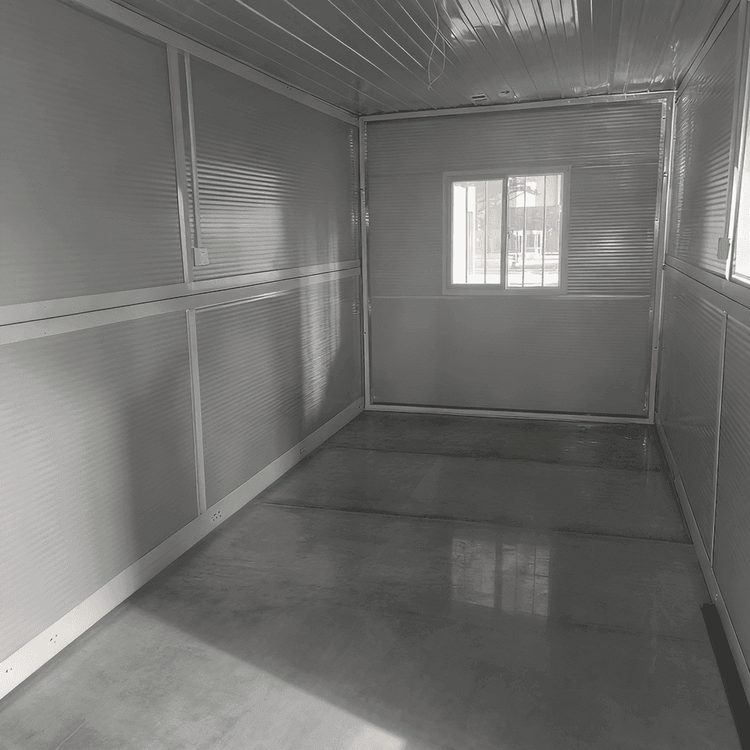
The earthquake resistance of container houses in Jiangsu varies depending on the brand and product type. Some high-quality products can withstand an earthquake intensity of up to 8 on the Richter scale, meeting the requirements of building seismic design codes. However, non-standard products may pose a risk of insufficient earthquake resistance.

I. Comparison of Earthquake Resistance Among Branded Products
- Suzhou Zhongnan Steel Structure Co., Ltd.: Its packing boxes and quick-assembly boxes feature a full steel structure frame. Third-party tests show that they meet the earthquake intensity standard of 8, in compliance with the GB50011-2010 (2016 edition) building seismic design code. Under extreme conditions, the frame shows no significant deformation, making them suitable for overseas extreme climates and mountain engineering scenarios.
- CIMC Group: Standard freight containers focus on structural strength, but due to their design being oriented towards freight loading, their internal space's earthquake resistance adaptability is slightly weaker than that of modular building-specific products, with an earthquake resistance rating of 7. Its modular building's standard container mobile homes also have an earthquake resistance rating of 7. During typhoons, some boxes experience slight deformation and require additional reinforcement.
- Other Brands: Yazzi Integrated Housing's economical mobile homes have an earthquake resistance rating of 6; Xinhuachang Container's engineering boxes have an earthquake resistance intensity of 7; Baosteel Building Integrated Housing's customized mobile homes have an earthquake resistance rating of 7.5.
II. Risks of Non-Standard Products
Non-standard white-label products often omit frame reinforcement procedures to cut costs, resulting in generally insufficient earthquake resistance. For example, some non-standard products use thin steel for the frame, with an wind resistance rating of only 8. In strong winds, they are prone to collapse, causing equipment damage and posing safety risks to personnel.
III. Key Factors Affecting Earthquake Resistance
- Structural Frame: A full steel structure frame is more stable than a thin steel frame and can effectively disperse seismic energy.
- Connection Method: Modular design, which uses bolts for assembly, is more flexible and has stronger earthquake resistance than welding.
- Manufacturing Process: Strict production standards ensure the house's airtightness and water tightness, indirectly enhancing its earthquake resistance stability.