
Jiangning Mobile Toilet Installation
The installation process of mobile toilets in Jiangning is divided into two types: split-type and integrated, with core steps including positioning, assembly, and connection. The specific operations are as follows:
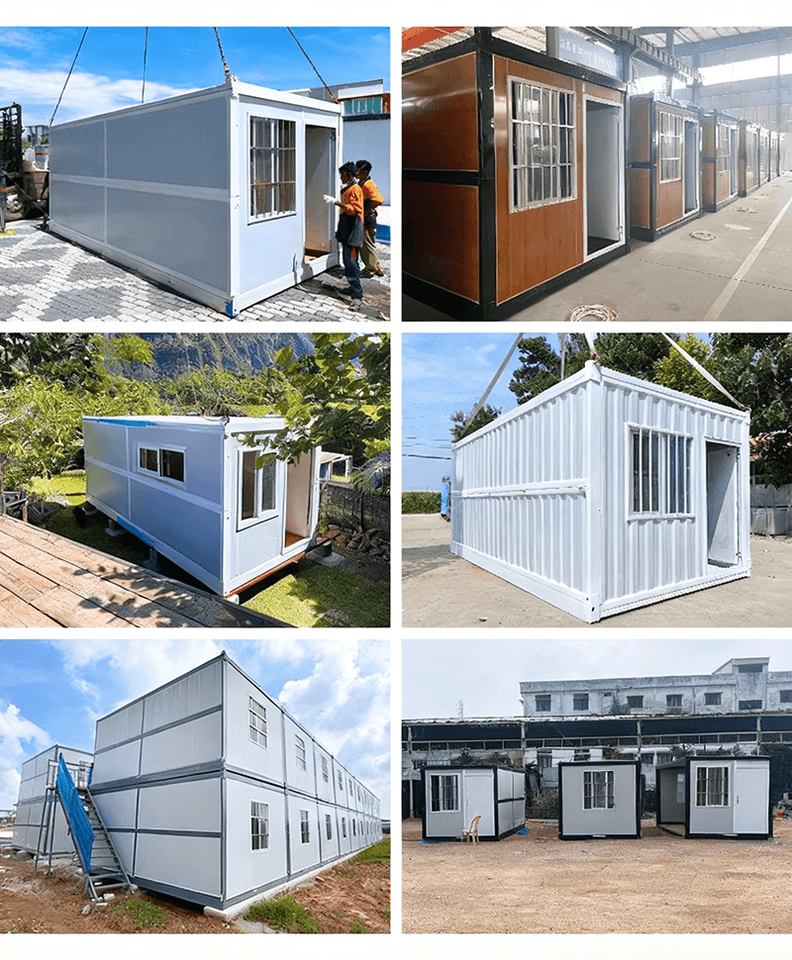
I. Installation Process for Split-Type Mobile Toilets
Split-type mobile toilets require on-site assembly and are suitable for long-term fixed use scenarios. The installation steps are as follows:
- Positioning the Chassis and Frame
Use a forklift or manual labor to place the prefabricated steel chassis steadily at the predetermined location. Adjust the chassis to a level state using a spirit level to ensure the stability of subsequent wall installations. The chassis typically has reserved slots and bolt holes to provide a foundation for connecting subsequent components. - Installing Walls and Roof Panels
Insert the sandwich panel wallboards one by one into the chassis slots and secure them with bolts or clips to ensure vertical alignment of the walls. Then, install the roof panels, using waterproof sealant or specialized sealing strips to treat the joints and prevent rainwater leakage. This step usually takes 1-2 hours, depending on the number of walls and the proficiency of the installation personnel. - Connecting Internal Facilities
Install internal partitions, toilets (squat or sit-down), flushing systems, sinks (optional), as well as lighting and ventilation equipment. The connection of water and electrical pipelines should be carried out by professionals, but modular designs (such as quick connectors) can simplify the process and shorten the time. For example, the flushing system needs to connect the water tank to the toilet, the electrical circuit must ensure grounding safety, and the ventilation equipment needs to be tested for air volume. - Functional Inspection and Debugging
Conduct a flushing test (check water pressure and drainage), an electrical circuit inspection (ensure no electrical leakage), and a sealing inspection (focus on doors, windows, and roof joints). After debugging, an installation acceptance form must be filled out to confirm that all functions are normal.
II. Installation Process for Integrated Mobile Toilets
Integrated mobile toilets (such as container-type toilets) have their interior decoration and equipment integration completed in the factory, making on-site installation simpler. The steps are as follows:
- Lifting and Positioning
Use a crane to lift the prefabricated container to the predetermined location and adjust the legs or shims to ensure the container is level, preventing structural deformation due to uneven ground. - Connecting Water, Electricity, and Sewage Pipes
Connect the container's water inlet and sewage outlet to the municipal water supply pipeline and septic tank, respectively. The electrical circuit must be connected to an independent distribution box and equipped with a leakage protection device. This step usually takes 2-4 hours, depending on the complexity of the pipeline layout. - Functional Testing
Start the flushing system, lighting, and ventilation equipment to check for smooth operation; test the sewage pipes for blockages.
III. Special Services in the Jiangning Area
Some merchants in Jiangning, Nanjing, offer a "full-chain" service for mobile toilets, including rental, customization, installation, maintenance, and fecal extraction and cleaning. This covers various types such as VIP luxury toilets, sit-down/squat-type water-flush toilets, and is equipped with dedicated cleaning staff, suitable for temporary events or long-term use scenarios.
You may also like

Portable Toilet Custom Explained: How to Choose the Right One
Read More
Top Portable Toilet Smart Manufacturers: How to Choose a Factory Partner
Read More
Portable Toilet Picture: Top Options & Considerations
Read More