
Jiamusi Mobile Toilet Outdoor
Jiamusi mobile toilets are widely used in outdoor settings, characterized by strong adaptability, diverse technologies, and comprehensive services. They can effectively meet the temporary or long-term toilet needs in scenarios such as municipal areas, parks, scenic spots, and construction sites.
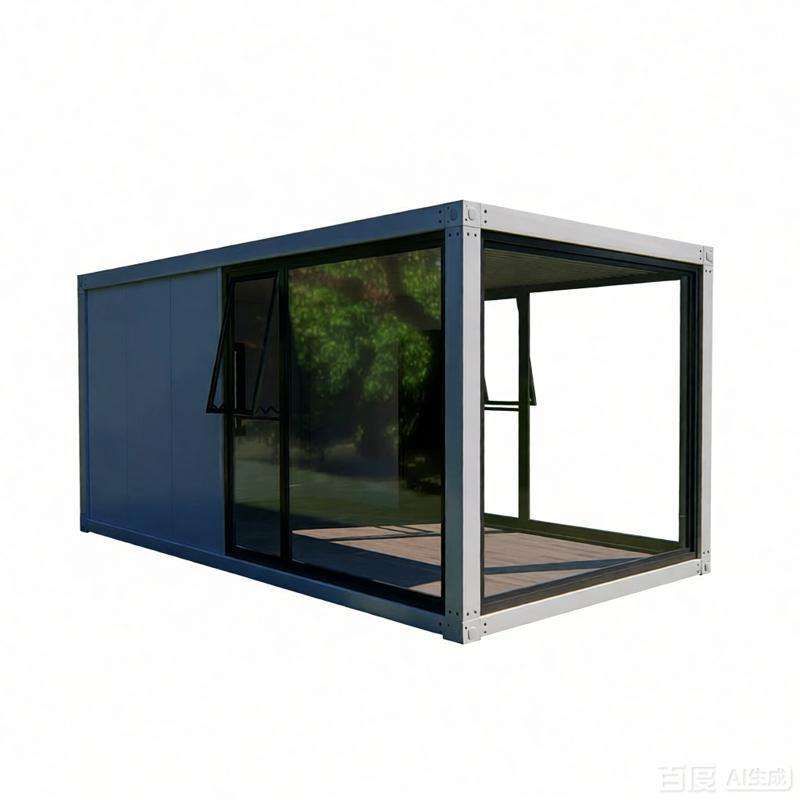
Configuration Standards and Material Selection
Outdoor mobile toilets mainly come in two types: independent box-type and towed-type. Independent box-type toilets are usually equipped with squat toilets, flushing systems, lighting, and ventilation devices. Some models also include special facilities for the disabled, such as handrails and low-position toilets. Towed-type toilets may integrate septic tank treatment modules. The toilet bodies are made of a composite structure of galvanized steel sheets and waterproof sandwich panels, and the internal piping systems use antifreeze materials to ensure normal operation in cold regions. For example, products from Cangzhou Hengtai Sanitation Equipment Co., Ltd. are made of materials such as color-coated steel sheets and metal carved panels, support custom processing, operate at 220V, are of premium quality, and are suitable for various outdoor environments.
Technological Types and Applicable Scenarios
Based on water source conditions and usage requirements, mobile toilets are classified into flush-type, recirculating water flush-type, and waterless biodegradable-type. Flush-type toilets rely on external waste removal services and are suitable for urban areas with supporting services. Recirculating water flush-type toilets treat and reuse flushing water through chemical agents, reducing water consumption, and are suitable for areas with limited water resources. Waterless toilets use microbial degradation or biodegradable film encapsulation technology, requiring almost no water, and are suitable for arid or remote areas without infrastructure.
Environmental Adaptability and Fixing Methods
Mobile toilets require targeted designs for different climatic conditions: In cold regions, they need to be equipped with pipe heating systems and double-layer insulated walls to prevent freezing and cracking. In areas with high precipitation, the impermeability grade of the floor and the drainage efficiency of the roof need to be verified to avoid water accumulation and leakage. Regarding fixing methods, concrete foundation anchoring is suitable for long-term rental scenarios (such as construction sites), while gravity fixing devices meet the needs of short-term events (such as exhibitions and sports events).
Rental Services and Maintenance Management
The services cover the entire process of transportation, installation, cleaning, supply replenishment, and recycling. Regular cleaning and disinfection, supply replenishment (such as toilet paper and hand sanitizer), and professional waste removal can maintain hygiene levels close to those of fixed public toilets. During special events, vacuum suction truck services may be added, and the response time and costs need to be confirmed in advance. In addition, regular inspections of the ventilation system, wear and tear on anti-slip floor tiles, and the durability of door lock structures are required to ensure usage safety.
Urban Management Value
The temporary deployment of mobile toilets can flexibly supplement the public service network, prevent unhygienic behaviors such as urinating and defecating anywhere, and maintain the cleanliness of public spaces. Their modular design facilitates quick assembly and disassembly without interfering with the original urban landscape and long-term planning, making them an efficient and flexible sanitation facility solution for outdoor settings.



