Japanese Container Houses
Japan’s plan to use container houses as part of athlete housing for the 2026 Aichi–Nagoya Asian Games is an innovative response to budget overruns and the high cost of conventional construction—environmentally minded, yet also controversial.

Background and Core Reasons
The Asian Games budget jumped from ¥11,805,555,556 to nearly ¥33,333,333,333, and the high cost of building a traditional Athletes’ Village became the main tension. Organizers ultimately chose a hybrid model of “cruise ships + temporary container housing + dispersed hotels,” with about 2,400 athletes staying in container houses at the Nagoya Port docks. The approach aims to cut long-term spending through modular temporary buildings while using vacant port land for rapid deployment and easing pressure on land resources.
Housing Layout and Functional Design
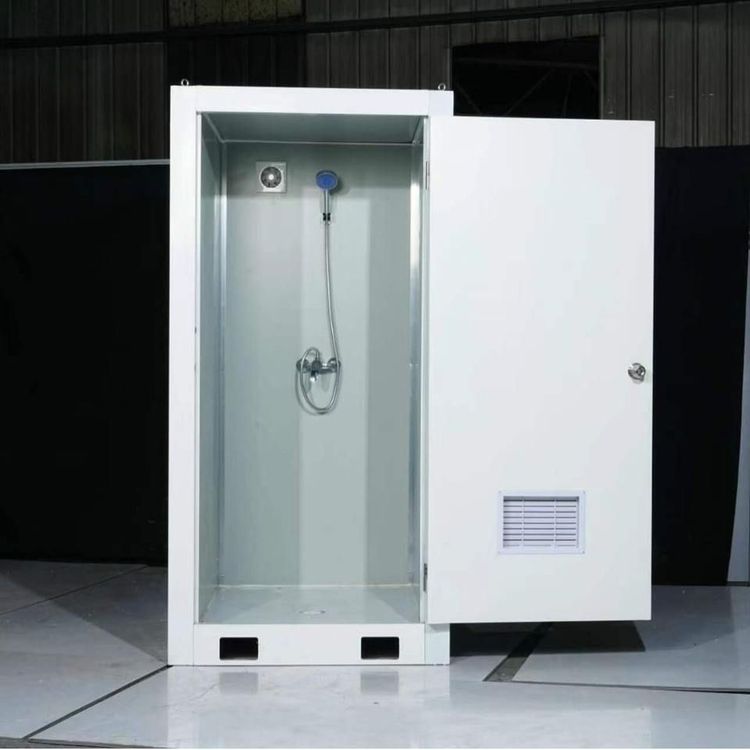
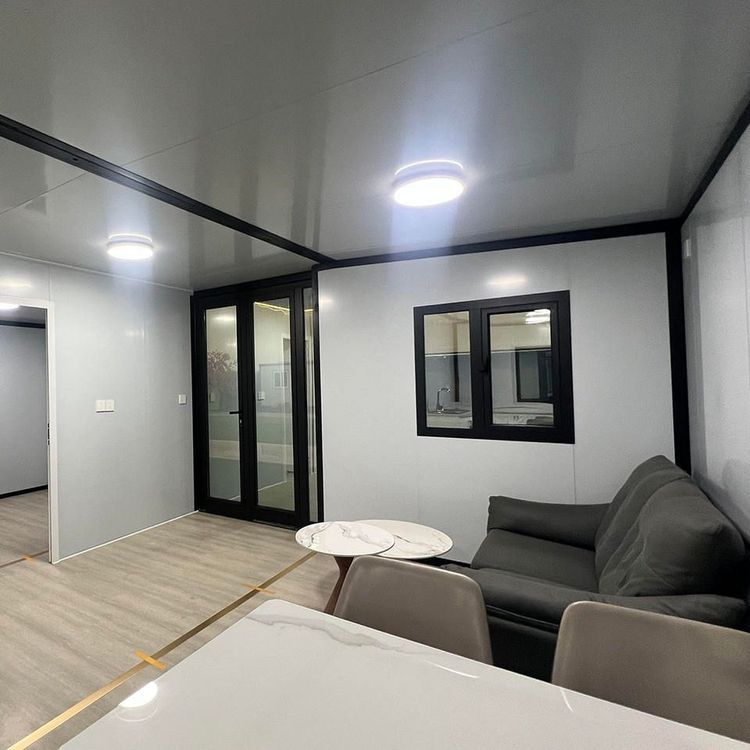
The container houses are converted from standard shipping containers joined together, with wood interiors to improve comfort. Basic living amenities include private bathrooms, refrigerators, washing machines, air conditioning, and more, plus fire safety equipment and accessible routes; safety inspections have already been passed. The design stresses function: modular structure for fast assembly and disassembly, wood interiors that create a warmer feel at low cost, and fire and accessibility features that meet international event standards.
Living Experience Controversies and Practical Issues
- Tight space: Low ceiling height leaves taller athletes feeling cramped; single beds (195 cm long, 90 cm wide) are on the small side, and the aisle in twin rooms is narrow enough that only one person can pass sideways, affecting daily living.
- Insufficient air conditioning: Each suite has only one air conditioner. Organizers suggested “opening the door to cool the room before sleep, then closing it” in hot weather—exposing weaknesses in ventilation and temperature control.
- Poor commuting efficiency: Some lodging sites are far from competition venues, so athletes spend more than an hour commuting each way daily, directly disrupting rest and performance.
Post-Games Use and Public Reception
Container houses are reusable temporary buildings. After the Games they can be repurposed as disaster emergency shelters or temporary event facilities, avoiding wasted resources. Public opinion is polarized: critics say athlete living conditions are poor and hurt preparation, with some joking that “camping tents would be better”; supporters highlight environmental benefits, fiscal savings, and high post-event reuse—aligned with a frugal-hosting approach.
Broader Prospects for Container Houses
Thanks to environmental benefits (recyclable materials), flexibility (modular assembly), and lower cost (30%–50% savings versus conventional construction), such buildings have expanded into temporary housing, creative spaces, post-disaster emergency structures, and more—an innovative answer to short-term urban housing needs.