
Back to blog
Article
Glue for Mobile Toilets in Japan
Admin October 02, 2026
There are three main types of glue used in mobile toilets in Japan: pulp glue, biological glue, and chemical glue, with clear specifications for their usage steps and storage methods.
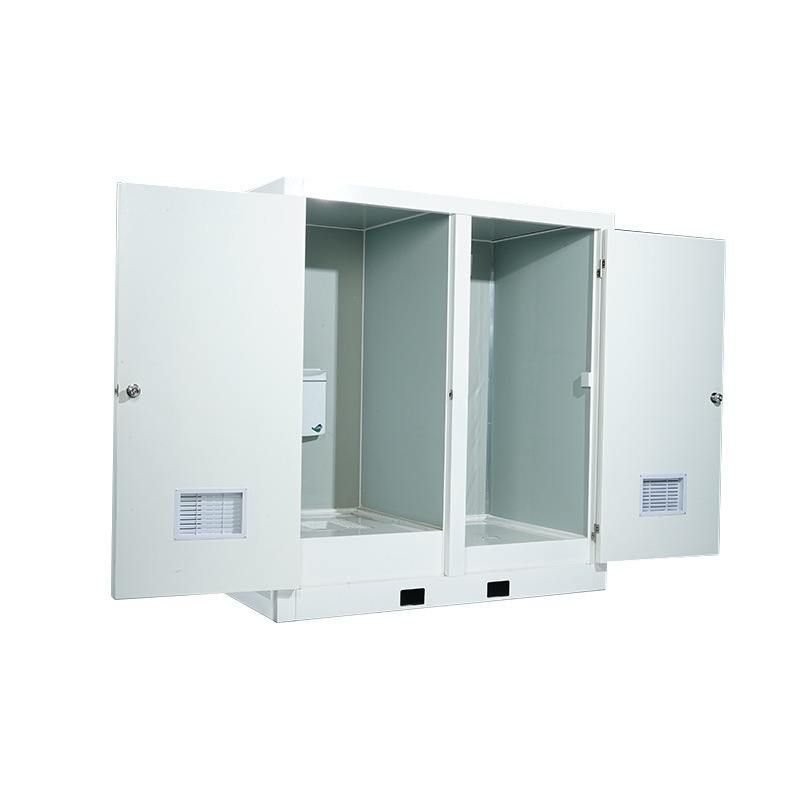
Types and Characteristics of Glue
- Pulp Glue: Made from cellulose, its primary function is to bond toilet waste and paper debris, preventing pipe blockages. With its natural ingredients, it is highly adaptable to the piping system and suitable for scenarios with a large amount of solid waste.
- Biological Glue: Featuring active bacteria and enzymes as its core components, it decomposes toilet waste through biodegradation while eliminating odors. This type of glue stands out for its environmental friendliness and is suitable for places with high environmental requirements, although its decomposition efficiency may be affected by temperature and humidity.
- Chemical Glue: Synthesized from chemical substances, it has dual functions of sterilization and deodorization. Although highly effective, some of its components may cause environmental pollution, necessitating careful use and strict adherence to disposal regulations.
Usage Steps
- Pre-treatment Stage: Open the storage tank of the mobile toilet and pour the selected glue into the designated area. Before use, lay a layer of toilet paper or other absorbent materials at the bottom of the toilet to enhance the absorption of liquid waste.
- Usage Stage: After the user has finished using the toilet, dispose of the toilet paper and waste into the toilet interior. At this point, add more glue to ensure that it completely covers the surface of the waste, forming a sealed layer to block odor diffusion.
- Sealing Treatment: After closing the storage tank, the glue begins to take effect. Pulp glue fixes the waste through adhesion, biological glue initiates the degradation process, and chemical glue continues to sterilize and deodorize.
Storage and Usage Specifications
- Storage Conditions: The glue should be stored in a dry and cool environment, away from direct sunlight to prevent ingredient inactivation, and kept away from high-temperature areas to prevent deterioration. The storage area should be strictly separated from easily contaminated items such as food and beverages.
- Usage Principles: It is advocated to use the glue as needed to reduce waste by controlling the amount used. The mixture of waste and glue after use should be disposed of through professional channels, and random dumping or disposal is strictly prohibited to prevent pollution to the soil and water sources.
The three types of glue complement each other in terms of functionality. Users can make a comprehensive choice based on factors such as usage scenarios, environmental requirements, and processing efficiency. Strictly adhering to operational specifications can not only extend the lifespan of the equipment but also minimize environmental impact.
Related



