
Is the Mobile Toilet for Home Use Safe?
Mobile toilets for home use have certain safety hazards, and their safety is influenced by multiple factors such as materials, design, installation, and usage scenarios, requiring careful selection and standardized use.
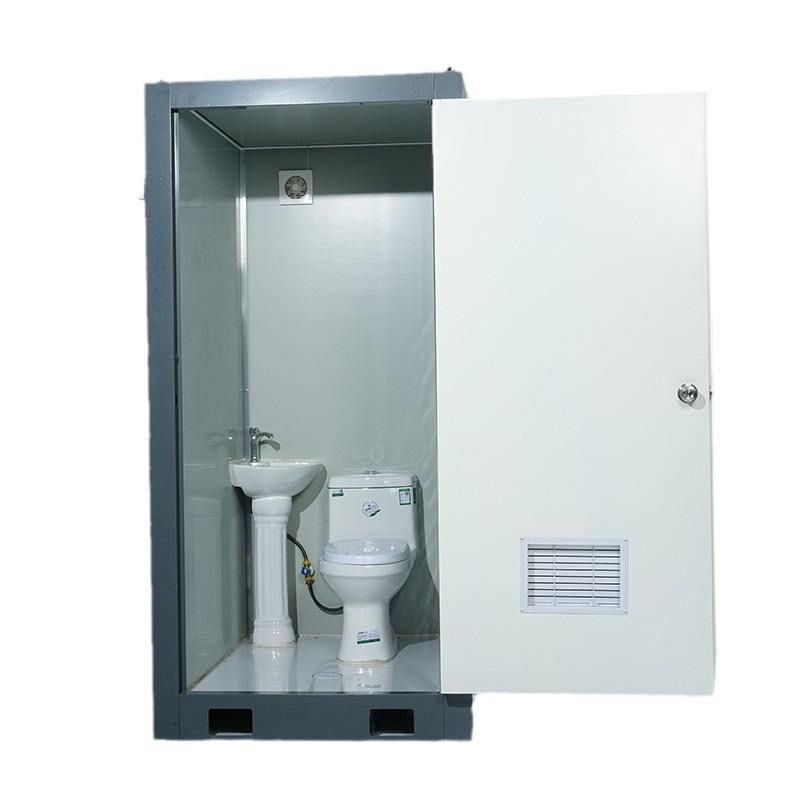
Material and Structural Hazards
Some mobile toilets may use inferior plastic or metal materials to reduce costs, resulting in poor overall durability. When used for a long time or subjected to external impacts, they may experience structural deformation, loosening of connecting parts, or even collapse. For example, plastic materials are prone to softening in high-temperature environments, and metal materials are prone to rusting in humid environments, both of which reduce the stability of the toilet. Additionally, if the thickness of the walls or base is insufficient, the load-bearing capacity is limited, which may pose safety hazards when used by obese individuals or multiple people simultaneously.
Lack of Safety Facilities
The absence of basic safety facilities in mobile toilets significantly increases usage risks. For example:
- No handrail design: Elderly people and those with mobility impairments are prone to falling when entering or exiting due to slippery floors or narrow spaces;
- No alarm device: In the event of a sudden illness or accident, timely assistance cannot be sought, potentially delaying rescue;
- Poor ventilation: In confined spaces, the concentration of harmful gases such as ammonia and hydrogen sulfide can easily exceed standards, causing dizziness or suffocation risks.
Installation and Fixing Issues
The stability of a mobile toilet is highly dependent on the installation method. If it is not firmly connected to the ground (e.g., not fixed with expansion bolts), it may tilt or even topple over in strong winds, collisions, or when people shake it. Additionally, uneven ground can cause uneven force distribution on the four corners of the toilet, accelerating structural wear over long-term use.
Space and Cleaning Limitations
The internal space of mobile toilets is usually small (generally less than 1.5 square meters), which is extremely unfriendly to obese individuals or those using wheelchairs, potentially increasing the risk of collisions due to difficulty in turning around. At the same time, the narrow space is not conducive to regular cleaning, and stains can easily breed bacteria, causing hygiene issues and further threatening the health of users.
Recommendations and Improvement Directions
To enhance safety, when selecting a mobile toilet, priority should be given to examining material strength, safety configurations (such as handrails and alarms), and fixing methods, and regularly checking structural stability. When in use, ensure ventilation to avoid prolonged confinement, and choose an appropriate size according to the needs of family members to ensure ease of movement.



