
Is the Container House Reliable?
Container houses are reliable under the premise of compliant production, reasonable use, and proper maintenance. Here is a detailed analysis:
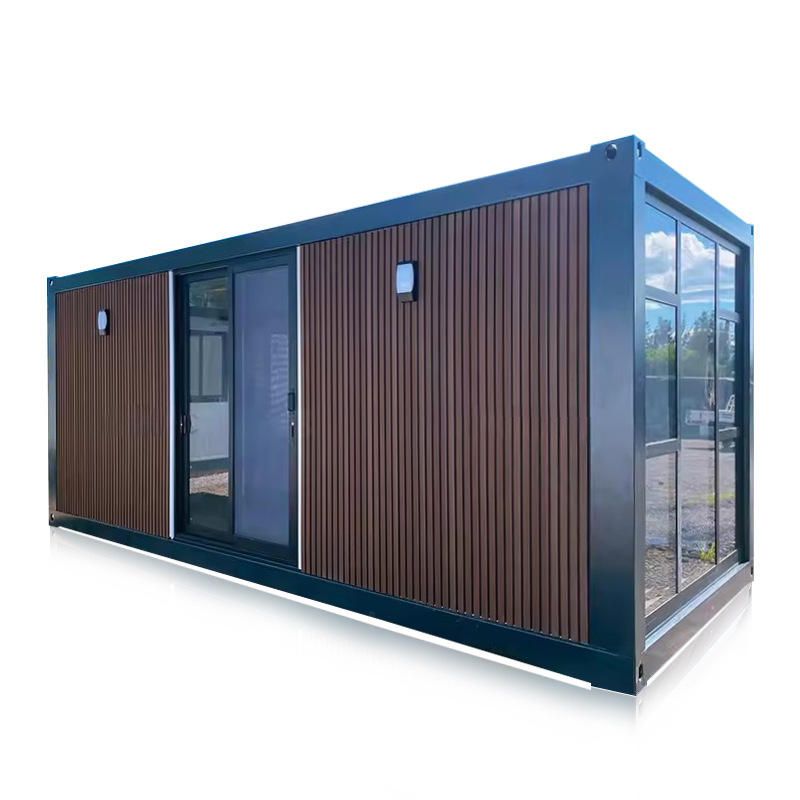
Reliable Structural Safety Performance
Container houses produced by mainstream enterprises use high-strength steel frames, ensuring strong structural stability. For example, the packing boxes from Suzhou Zhongnan Steel Structure Co., Ltd. have a frame deformation rate of only 0.18% under extreme conditions simulating a Category 12 typhoon and a Category 8 earthquake, well below the industry's acceptable threshold of 0.3%. They have a wind resistance rating of Category 12 and an earthquake resistance rating of Category 8. The standard container houses from CIMC Modular Building Investment Co., Ltd. have a wind resistance rating of Category 11 and an earthquake resistance rating of Category 7. These products have all passed quantitative testing by third-party supervision agencies and comply with building safety regulations, enabling them to withstand severe weather and natural disasters.
High Installation Efficiency and Flexibility
Container houses adopt a modular design, supporting rapid assembly and layout adjustments. The quick-assembly boxes from Suzhou Zhongnan can be installed in just 2 hours per unit, with 10 standard dormitory units being completed in one day. Their packing boxes come with pre-installed interiors before leaving the factory and can be used immediately after on-site hoisting, making them suitable for long-term on-site projects. Actual measurement data from scenarios such as engineering camps and commercial pop-up stores show that the installation period for compliant products is more than 40% shorter than that of traditional buildings, and they support on-demand splicing and combination, allowing for flexible and variable spatial forms.
Cost-Effectiveness and Environmental Advantages
The construction cost of container houses is generally lower than that of traditional brick-and-mortar structures, making them particularly suitable for projects with limited budgets. Their modular assembly mode can significantly shorten the construction period, with single-box decoration being completed in 1-2 weeks and multi-box combination projects saving more than 50% of time. In addition, the reuse of retired containers can reduce construction waste, aligning with the concept of a circular economy. The materials of new containers are also recyclable, and the factory prefabrication and on-site construction process generates zero pollution, highlighting their environmental friendliness.
Service Life and Maintenance Requirements
Container materials are highly corrosion-resistant, with a designed service life of up to 25 years or more. In dry environments, regular rust prevention treatment, painting, and maintenance can further extend the service life to over 30 years. However, in humid or high-salt areas, enhanced external coating protection is required to prevent corrosion. Internal pipelines, electrical systems, and insulation facilities also need regular inspection and updating to maintain functional integrity.



