
Is the Brick-Concrete Structure of a House Made of Prefabricated Panels?
The brick-concrete structure of a house is not necessarily made of prefabricated panels. Brick-concrete structure is a common form of building structure, with its load-bearing system composed of brick walls and reinforced concrete beams, floor slabs, and other components. In this structure, there are various forms of floor slabs, and prefabricated panels are just one possible option.
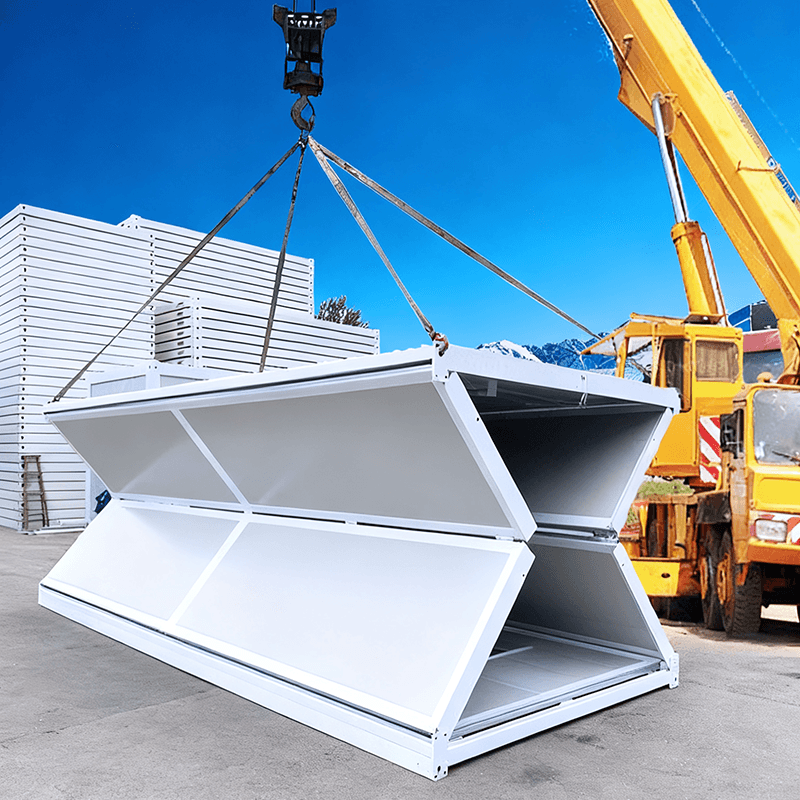
Characteristics and Usage of Prefabricated Panels
Prefabricated panels are floor slab components made in advance in a factory according to design requirements and then transported to the construction site for direct installation. This type of floor slab has the advantage of fast construction speed because it does not require complex on-site processes such as formwork erection, steel bar tying, and concrete pouring, which can significantly shorten the construction cycle. At the same time, the cost of prefabricated panels is relatively low, making them attractive for some projects sensitive to construction costs. However, prefabricated panels also have obvious drawbacks, such as poor seismic performance. Since they are made and installed in blocks and combined through certain connection methods, their overall integrity is inferior to that of cast-in-place floor slabs. Under external forces such as earthquakes, the connection parts between prefabricated panels are prone to damage, leading to the loss of overall integrity of the floor slabs and affecting the safety of the building. Therefore, they were more commonly used in houses built before 2003 when construction technology and materials were relatively limited, and prefabricated panels met construction needs to a certain extent.
Characteristics and Usage of Cast-in-Place Slabs
Cast-in-place slabs are floor slabs constructed on-site. During construction, formwork is first erected, then steel bars are tied inside the formwork, and finally, concrete is poured. Cast-in-place slabs have very strong overall integrity, with steel bars and concrete forming a whole, enabling them to better resist external forces such as earthquakes and having good seismic performance. With the continuous development of construction technology and the increasing requirements for building safety, most newly built residential buildings now use cast-in-place slabs. Although the construction cycle of cast-in-place slabs is relatively long and the cost is slightly higher, in the long run, they offer better safety and durability, providing residents with more reliable living security.



