
Back to blog
Article
Is a Prefabricated Steel Structure House Good?
Admin September 18, 2026
Prefabricated steel structure houses have many advantages, but they also have certain drawbacks. Whether they are 'good' depends on specific needs.
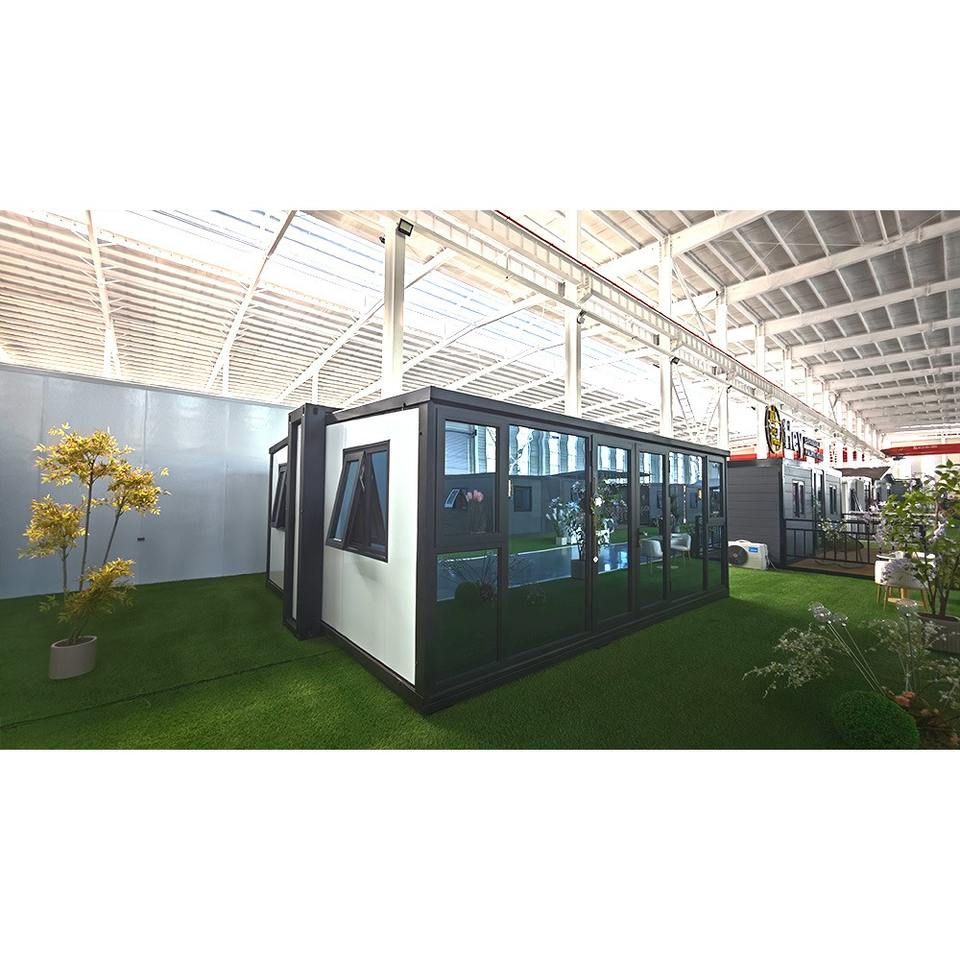
Advantages
- Good Earthquake Resistance: Steel has excellent ductility. During an earthquake, steel structure houses can buffer seismic energy through their own deformation, avoiding instant collapse and buying time for people to escape. This is particularly advantageous in earthquake-prone areas.
- Fast Construction Speed: Most components are prefabricated in factories, and only assembly is required on-site, simplifying the construction process. The construction time for a house of the same area is shortened by one-third or more compared to brick-and-mortar structures, which can accelerate project progress and reduce time costs.
- High Space Utilization and Flexible Layout: Load-bearing mainly relies on steel beams and columns, and walls are mostly non-load-bearing lightweight partitions. Indoor space can be freely changed according to needs without being restricted by load-bearing walls, meeting diverse living and functional requirements.
- Green and Low-Carbon, Recyclable Materials: Raw materials are mostly recyclable steel, which aligns with environmental protection concepts. The lightweight walls have advantages in winter insulation and summer heat insulation, reducing energy consumption.
- Light Weight, Strong Load-Bearing Capacity, and Large Span: It can reduce the requirements for foundation, facilitating transportation and construction. It also enables large open-space designs, and indoor space can be divided into multiple plans to meet different usage scenarios.
- Industrial Production and Simple Construction: Components are manufactured in professional factories with high precision, making on-site assembly convenient. They are also easy to disassemble, reinforce, or renovate, improving construction efficiency and quality.
Disadvantages
- High Construction Cost: The initial material cost is higher than that of brick-and-mortar structures, and construction requires professional technical teams and equipment, with relatively high labor costs, increasing initial investment.
- Poor Fire Resistance: The strength of steel drops rapidly under high temperatures. In a fire, without effective fire prevention measures, the house can easily lose its load-bearing capacity in a short time. Fire prevention facilities need to be equipped in design and use, increasing expenses.
- High Maintenance Cost in the Later Stage: Long-term exposure can lead to rust and corrosion, requiring regular anti-corrosion maintenance, such as painting anti-rust paint. Bolts and other connection parts need to be checked and tightened frequently, making maintenance work cumbersome and requiring professional knowledge.
- Prone to Rust and Corrosion: Steel is prone to rust, especially at welding joints. Although methods such as galvanizing and painting can be used to improve it, regular maintenance is required; otherwise, the service life is difficult to exceed 20 years.
- High Construction Requirements: It requires a professional construction team. The positioning, connection, and verification of steel columns need skilled workers, and general construction teams may find it difficult to undertake the work.
Related



