
Is Mobile Toilet Considered Real Estate?
Whether a mobile toilet is considered real estate depends on specific circumstances and cannot be generalized.
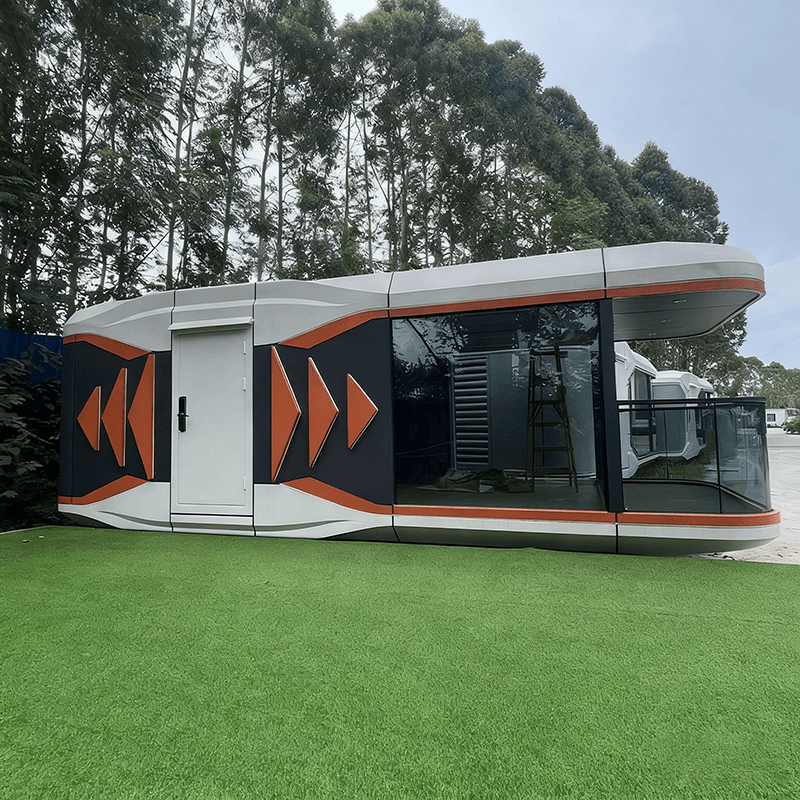
From the perspective of building definitions: According to the 'Explanations and Provisions on Several Business Issues Related to Real Estate Tax and Vehicle and Vessel Usage Tax' issued by the Ministry of Finance and the State Administration of Taxation, a building must have a roof and enclosing structures, be capable of sheltering from wind and rain, and serve purposes such as production, work, and study. Mobile toilets are typically designed as movable, easily installable, and detachable facilities. If their structures do not fully conform to the traditional definition of buildings, especially if they are non-permanent structures, they may not be considered real estate. However, if they have a roof and enclosing structures and are permanently fixed at a specific location for long-term use, they may be regarded as buildings to a certain extent.
From the perspective of fixed asset classification: If a mobile public toilet is held and used by an enterprise for business management (such as providing public services) and has been in use for more than 12 months, it meets the definition of fixed assets in the 'Implementation Regulations of the Enterprise Income Tax Law of the People's Republic of China' and can be classified as a type of building. However, this classification primarily pertains to the accounting treatment of assets held by enterprises and differs from the definition of 'real estate' in real estate tax collection.
From the perspective of real estate tax collection scope: Real estate tax collection mainly targets commercial buildings in cities, county towns, administrative towns, and industrial and mining areas. If a mobile toilet is located in these areas and used for commercial purposes (such as charging for use), it may be considered taxable real estate. If it is merely used as a public facility or internal sanitation facility without generating direct economic benefits, it generally does not fall within the scope of taxable real estate. Additionally, mobile toilets in rural areas are generally not subject to real estate tax as they are outside the scope of real estate tax collection.
In summary, whether a mobile toilet is considered real estate requires a comprehensive assessment based on its structural characteristics, purpose of use, location, and whether it generates commercial income.



