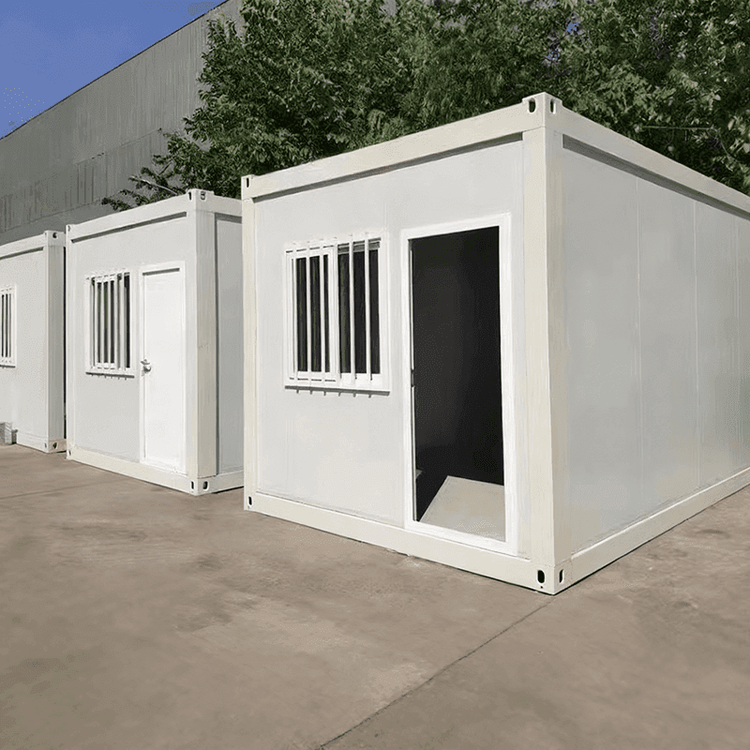
Is It Worth Buying Mobile Toilets for 500,000 Yuan?
Whether to spend 500,000 yuan on purchasing mobile toilets requires a comprehensive assessment based on usage scenarios, frequency, and long-term needs, and cannot be directly judged as 'good' or 'bad'.

1. Long-term High-frequency Usage Scenarios: Purchasing is More Cost-effective
If mobile toilets are used in long-term high-frequency scenarios (such as enterprises undertaking projects year-round, long-term cultural tourism sites, or fixed facilities in parks), procurement is more economical. A single unit can be reused repeatedly, with the annual cost continuously decreasing over time. Moreover, the ownership of the equipment belongs to the purchaser, allowing for free modification according to the site environment. For example, a municipal engineering project in Quanzhou purchased 20 eco-friendly mobile toilets at approximately 4,000 yuan each, totaling 80,000 yuan. The average usage life of each toilet is over 5 years, with an annual cost of only 16,000 yuan. If rented for the same 5-year period, the rental cost would be approximately 120,000 yuan, making purchasing 40% cheaper in the long run. With a budget of 500,000 yuan for such scenarios, 125 similar toilets can be purchased (at 4,000 yuan each), covering a wider range and offering significant long-term cost advantages.
2. Short-term Low-frequency Usage Scenarios: Renting is More Flexible
If the usage period is short (such as short-term events within a year, temporary exhibitions, or short-term road repairs), renting incurs lower overall expenses. Renting does not require a one-time payment for all equipment, reducing financial pressure. Additionally, services typically include transportation, waste removal, maintenance, and other supporting tasks, saving the time cost of coordinating with multiple service providers. After the project ends, the equipment is recovered by the rental company, eliminating the need to consider idle storage. For example, the organizer of a music festival in Quanzhou rented 100 mobile toilets for 3 days at a cost of approximately 15,000 yuan (including transportation and maintenance), while purchasing the same new toilets would cost around 30,000 yuan each, making renting significantly cheaper. With a budget of 500,000 yuan for short-term rentals, over 300 similar events can be covered (at 15,000 yuan each), offering far greater flexibility than purchasing.
3. Other Key Considerations
- Budget Constraints: If a one-time investment exceeds 50,000 yuan, purchasing can be considered; renting is more flexible with limited budgets.
- Maintenance Costs: After purchase, the buyer bears the costs of equipment depreciation and repairs, while renting places the responsibility for daily maintenance on the supplier.
- Policy Requirements: Some scenic spots or municipal projects require fixed toilets, necessitating the purchase of equipment that meets standards.
Conclusion: Whether to spend 500,000 yuan on purchasing mobile toilets requires prioritizing the assessment of the long-term nature, frequency, and budget flexibility of the usage scenario. Long-term high-frequency needs should prioritize purchasing, while short-term low-frequency needs should prioritize renting. Additionally, maintenance costs and policy requirements should be considered in the comprehensive decision-making process.