
Is It Illegal to Build Container Houses on Barren Mountains?
Whether placing container houses on barren mountains is illegal depends on the situation. Unauthorized placement without permission is illegal, while placement after approval is legal.
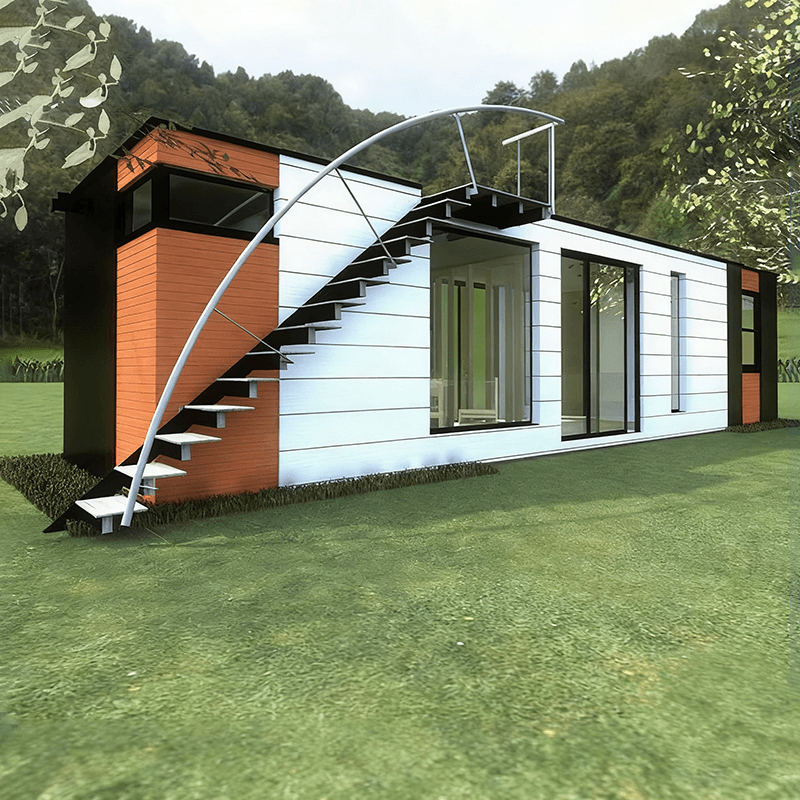
I. Unauthorized Placement Constitutes Illegal Construction
According to relevant regulations, if container houses are directly placed on barren mountains, barren slopes, abandoned ponds, ditches, or other wastelands, it is necessary to consult the relevant land management department in advance and obtain government permission. Failure to follow this procedure and placing container houses without authorization constitutes illegal construction. Such actions may face penalties such as orders for rectification or demolition, with specific enforcement based on local land management regulations.
II. Conditions for Legality After Approval
If container houses need to be placed on barren mountains or other wastelands, the following conditions must be met:
- Compliant Land Nature: The wasteland must be a type of land that can be temporarily used and must not be within areas prohibited for construction, such as ecological protection red lines or permanent basic farmland.
- Complete Approval Process: An application must be submitted to local natural resources, planning, or other relevant departments, specifying the purpose, duration, and restoration plan, and obtaining temporary land use permission or construction planning permission.
- No Harm to Public Interests: Container houses must not obstruct traffic, affect drainage, or damage the surrounding ecological environment, and must comply with fire safety and other standards.
III. Supplementary Explanations for Special Scenarios
- Homesteads and Privately-Owned Land: If container houses are placed on a legally confirmed homestead owned by an individual and the homestead itself is legal, it does not constitute illegal construction; however, if the homestead is illegal or occupies someone else's land, it is still illegal.
- Nature of Temporary Buildings: Even if legally placed, container houses are generally considered temporary buildings. In the event of demolition, if there are no relevant documents (such as planning permission or property rights certificates), compensation is generally not provided; if used for business purposes such as homestays and approved, appropriate compensation may be provided based on the actual situation.
IV. Practical Suggestions
- Consult in Advance: Before placement, be sure to confirm the land nature and approval requirements with the local land management department, township government, or planning department.
- Retain Evidence: Properly keep approval documents, land use agreements, and other materials for use in subsequent inspections or disputes over demolition compensation.
- Use in Compliance: Avoid changing the land use (such as converting agricultural land into construction land), regularly inspect the safety of the house, and promptly rectify potential issues.



