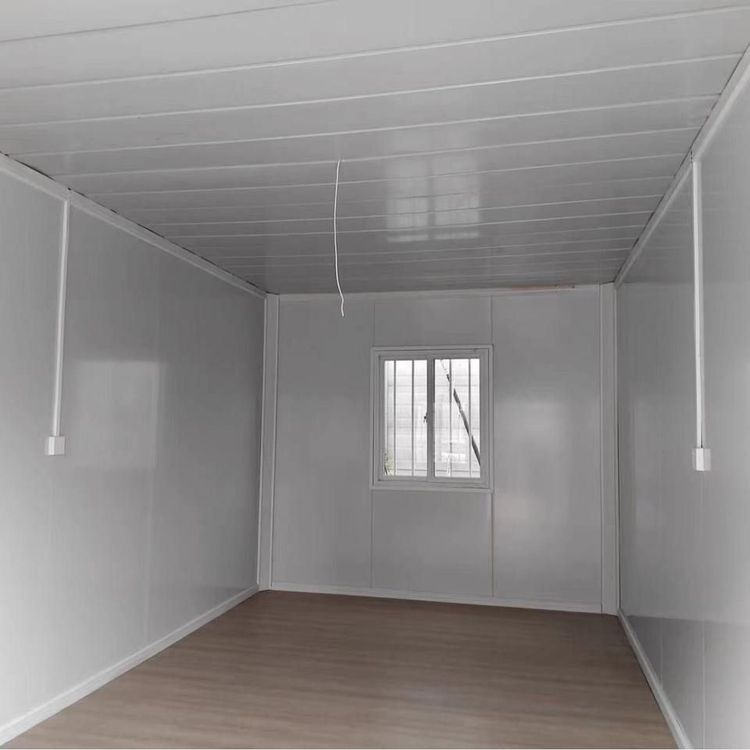
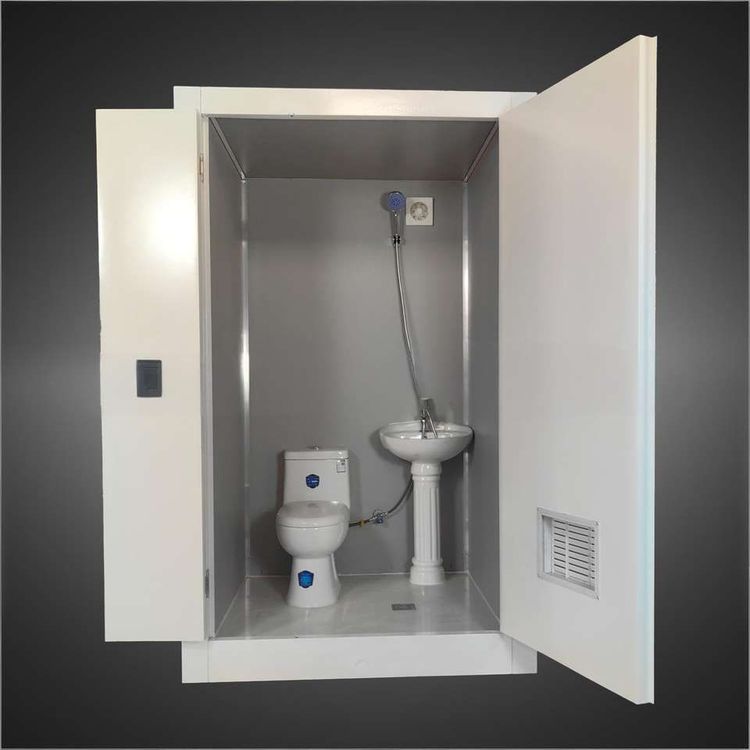
Is It Appropriate to Place Containers Behind the House?
Whether it is appropriate to place containers behind a house depends on specific circumstances. If it complies with land nature, planning permits, safety regulations, and does not affect neighborly relations, it is generally feasible; otherwise, it may be illegal or lead to disputes.

1. Land Nature and Planning Permits
- Construction Land: If the land behind the house is a homestead or privately-owned construction land, and placing containers does not exceed the scope of land use rights, does not change the land use purpose (e.g., still for residential supporting purposes), and complies with local urban and rural planning requirements for building density (e.g., does not block fire exits or affect lighting and ventilation), it is generally not illegal.
- Agricultural Land or Unconverted Land: If the land is agricultural land such as cultivated land or forest land, or collective construction land that has not been legally converted to state-owned construction land, placing containers may violate the "Land Administration Law" provision that prohibits unauthorized changes in land use purpose, and may face orders for demolition and fines.
- Urban Planning Area: Stacking containers in an urban planning area usually requires obtaining a construction engineering planning permit or temporary construction planning permit, specifying the duration and scope of temporary construction; otherwise, it may be deemed illegal construction.
2. Purpose of Use and Compliance
- Temporary Storage: If containers are only used for temporary storage of items and do not affect the normal use of the house or neighborly relations, a certain degree of tolerance is usually granted.
- Residential or Commercial Activities: If used for residential or commercial activities, it may violate land use regulations, and unauthorized house-like modifications (e.g., connecting to water and electricity, installing air conditioners) are considered illegal structures.
- Illegal Activities: Regardless of land nature, using containers for illegal activities (e.g., gambling, drug trafficking) constitutes a violation of the law and will be severely punished by law.
3. Safety Regulations and Neighborly Relations
- Structural Safety: The design, construction, and installation of containers should comply with building safety regulations to ensure structural stability, capable of withstanding self-weight, wind loads, snow loads, etc., to prevent safety accidents such as collapse.
- Fire Safety: Fire separation distances and evacuation routes must be met, and necessary fire protection facilities and equipment (e.g., fire extinguishers, smoke detectors) must be equipped.
- Adjacent Rights: If containers occupy public spaces (e.g., community public areas, fire exits) or affect neighbors' lighting, ventilation, drainage, etc., it may violate the adjacent rights provisions in the "Civil Code," and neighbors have the right to request removal of obstacles.
4. Local Regulations and Administrative Approvals
Some cities have additional regulations on temporary structures (including containers), such as requiring application for temporary construction permits from urban management departments or limiting the duration of use (e.g., not exceeding 2 years). Unauthorized placement without approval may be deemed illegal construction and require rectification.
Recommendation: Self-check land nature, consult planning departments, negotiate with neighbors, and rectify illegal situations.