
Is Container House Warm and Insulated?
Container houses can achieve good thermal insulation and warmth retention through various measures. Details are as follows:
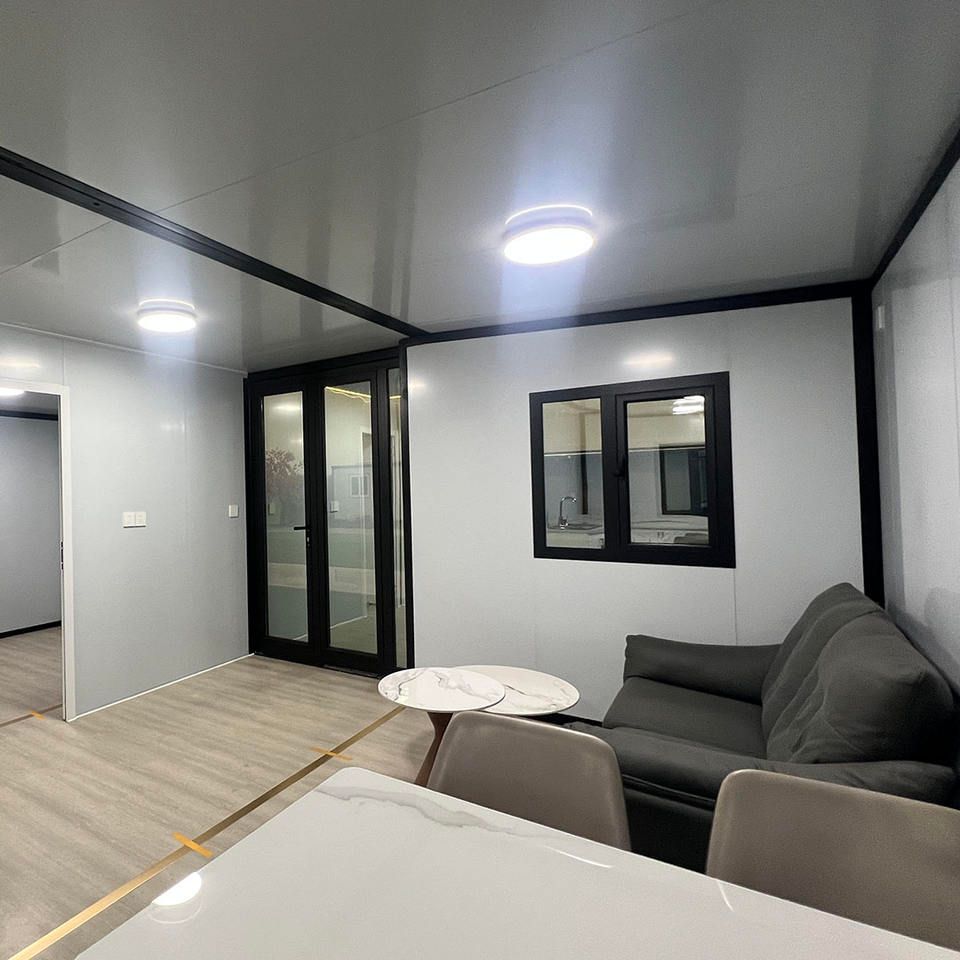
Select appropriate thermal insulation materials: This is the foundation for achieving thermal insulation and warmth retention in container houses. Common thermal insulation materials include polystyrene boards, polyurethane foam boards, and rock wool boards. These materials have low thermal conductivity, meaning they can effectively block heat transfer. For example, polystyrene boards are lightweight materials with a closed-cell structure and good thermal insulation properties; polyurethane foam boards have higher strength and better thermal insulation effects; rock wool boards not only have excellent thermal insulation properties but also offer fire resistance and sound absorption advantages.
Add thermal insulation layers: Adding thermal insulation layers to the exterior wall surfaces or interior walls of container houses can further reduce heat transfer and loss. External thermal insulation layers involve fixing insulation materials to the outer side of the container walls, forming a thermal insulation barrier; interior thermal insulation panels are installed on the interior walls of the container, also serving to retain heat. These thermal insulation layers can effectively maintain stable indoor temperatures and reduce energy consumption.
Optimize the design of windows and doors: Windows and doors are areas where heat is prone to escape. Using double- or triple-glazed windows with low thermal conductivity and good thermal insulation properties can significantly reduce heat transfer. Additionally, installing weatherstripping around the edges of windows and doors can further minimize heat leakage and improve thermal insulation effects.
Pay attention to the details of the thermal insulation system: Details such as the splicing of insulation materials, the treatment of connection areas, and the integration of the insulation layer with the container structure are crucial. Using appropriate sealing materials at splices and connections can prevent heat leakage from these areas. Employing professional construction methods and materials at the junctions of the insulation layer and the container structure to ensure tightness and structural stability is also key to improving thermal insulation effects.
Roof thermal insulation treatment: Drilling holes and securing them on the roof of the container building, laying a frame, and then installing thermal insulation panels is also an effective thermal insulation method. This approach can block direct transmission of solar radiation heat into the interior, reducing indoor temperatures.



