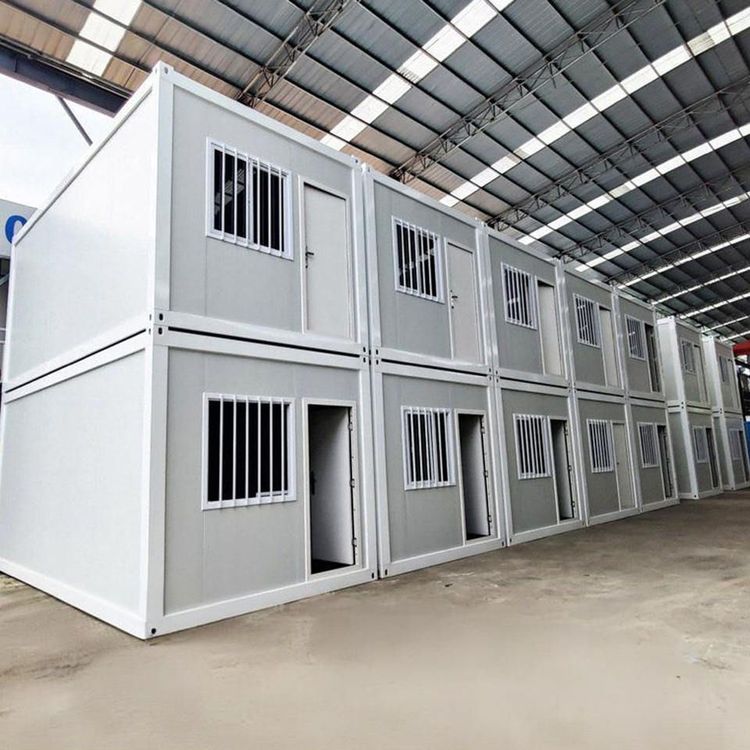
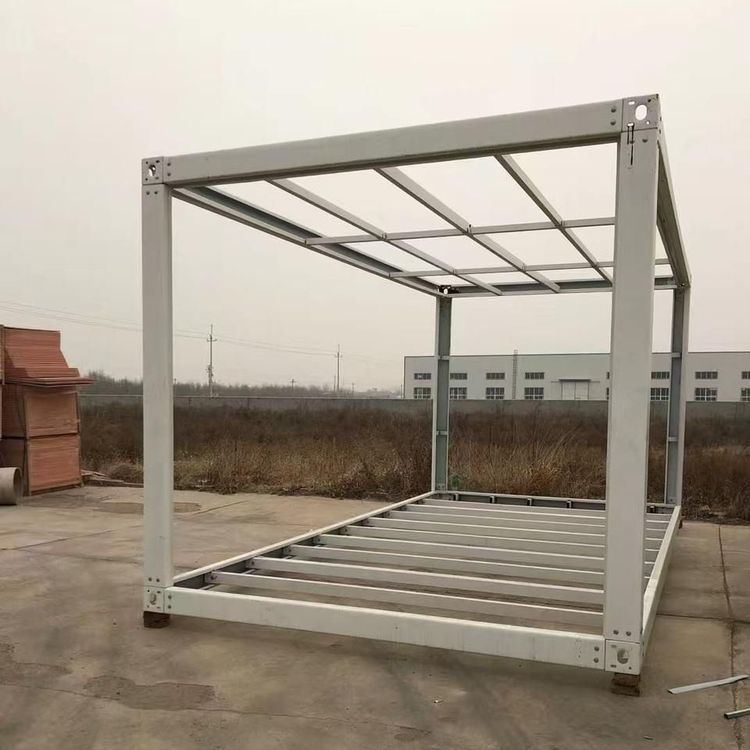
Is Container House Thermally Insulated?
Container houses generally possess thermal insulation properties and achieve efficient thermal insulation through various technical means. Here is a detailed analysis:
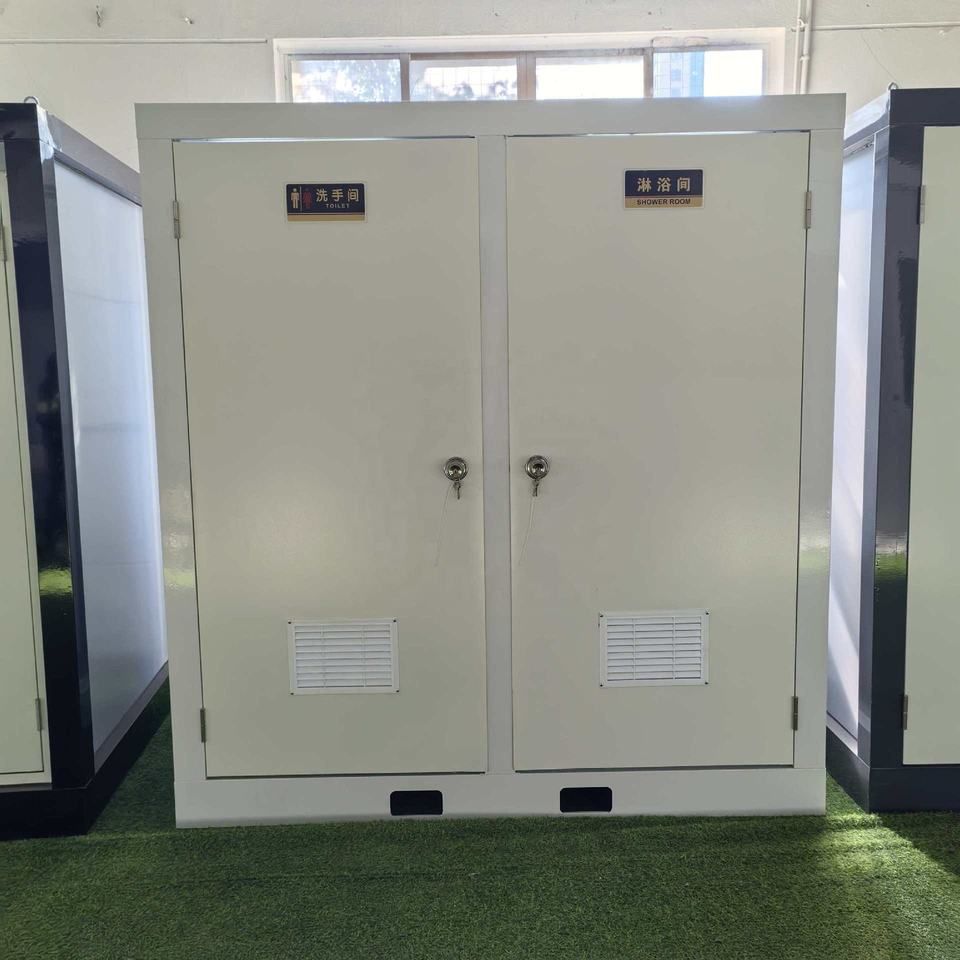
Wall Materials and Structural Design
The thermal insulation performance of container houses primarily depends on the selection of wall materials and structural design. Most container houses adopt a composite wall structure, with the outer layer typically being anti-corrosion color-coated steel plates or hot-dip galvanized steel plates, the middle layer filled with high-density insulation materials such as rock wool or polyurethane foam layers, and the inner layer possibly using fire-resistant gypsum boards or moisture-proof membranes. This multi-layer structural design effectively blocks the heat transfer path and reduces thermal conductivity. For example, the national 'Technical Standard for Steel Structure Integrated Houses' requires that the heat transfer coefficient of residential container walls be ≤0.45W/(㎡·K), which is 1.8 times the insulation efficiency of traditional brick-and-mortar walls, indicating that container houses have significant advantages in terms of insulation performance.
Special Process Treatments
To further enhance thermal insulation effects, container houses also employ various special processes during the manufacturing process. For instance, a bridge-cut inner lining structure is used, where hard polyurethane foam is filled between the steel frame and the inner wall panel, and rubber thermal insulation pads are installed at the frame connections, effectively reducing the heat exchange efficiency between the interior and exterior of the container. Additionally, some container houses further improve thermal insulation performance by increasing the thickness of the insulation layer, using reflective coatings, and optimizing ventilation designs.
Actual Testing and Effects
Actual tests demonstrate that container houses can maintain relatively stable indoor temperatures under extreme climatic conditions. For example, in extremely cold environments, container houses can maintain comfortable indoor temperatures with the aid of auxiliary heating equipment; in high-temperature environments, they can effectively reduce indoor temperatures through reflective coatings and ventilation designs. Measured data shows that the temperature inside the container rises 22 minutes slower than the outside at noon in summer, and the indoor temperature only drops by 1.3℃ after being closed for 8 hours in winter. This delayed response characteristic makes the container house feel more stable and comfortable.