
Is a Container House Suitable for Self-Living?
Whether a container house is suitable for self-living requires a comprehensive assessment based on specific needs and conditions. It has certain feasibility but also limitations.
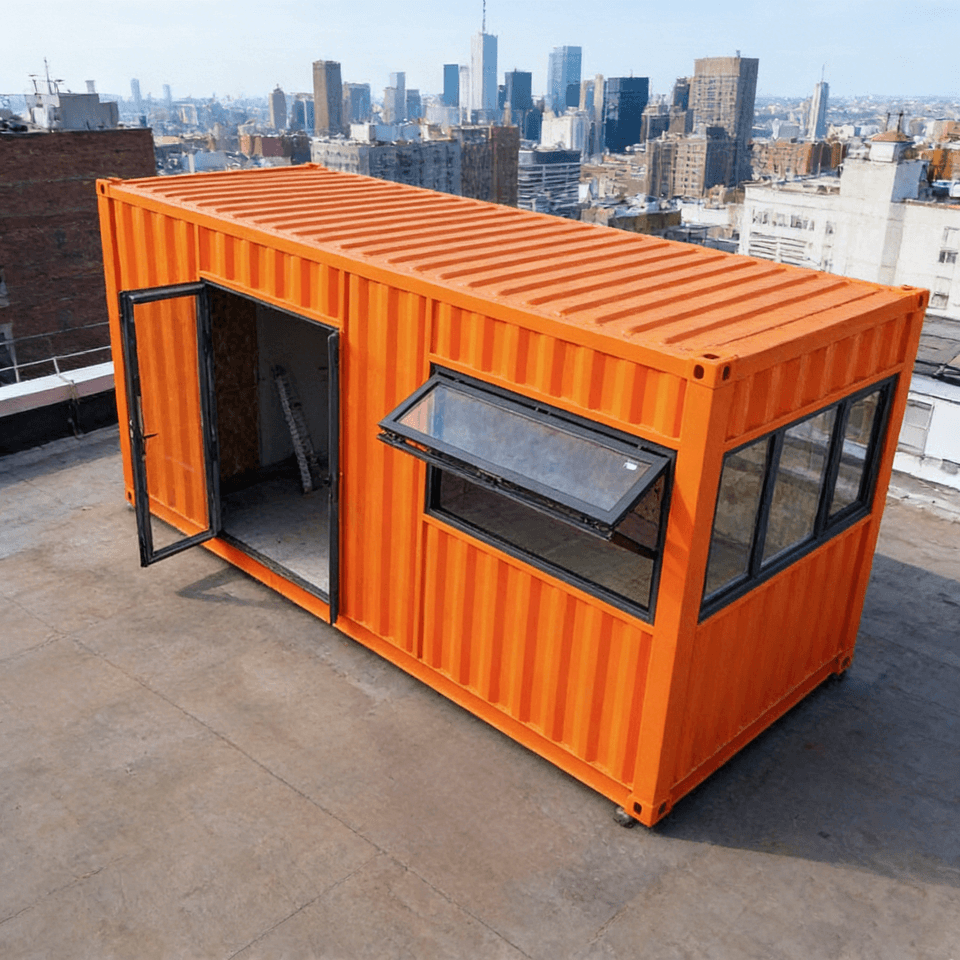
Feasibility Analysis:
Container houses are modified from shipping containers and possess characteristics such as sturdy structure and high mobility. Their steel frames and weather-resistant exteriors, after undergoing anti-rust, fireproof, and thermal insulation treatments, can withstand natural disasters like typhoons and earthquakes, ensuring relatively high safety. Through customized modifications, such as installing air conditioners, televisions, integrated bathrooms, and optimizing interior design (e.g., using multi-functional furniture and large windows), living comfort can be significantly enhanced. Additionally, container houses have low construction costs and fast assembly times, making them particularly suitable for groups with limited land resources or budgets. Their modular design also supports flexible combinations to meet the living needs of different family sizes.
Limitations Analysis:
- Space and Comfort: The interior width of containers is limited, and without proper planning, a sense of oppression can easily arise. The high thermal conductivity of metal materials requires reliance on thermal insulation materials and air conditioners to maintain a comfortable temperature; otherwise, it can be sweltering in summer and freezing in winter.
- Sound Insulation and Privacy: Metal wall panels have poor sound insulation effects, necessitating the installation of additional sound insulation materials to reduce noise interference. In double-bed rooms, narrow aisles can compromise privacy when multiple people are living together.
- Service Life and Maintenance: The service life of an ordinary container house is approximately 10-15 years. If it is of high quality and regularly maintained (e.g., anti-rust painting and water tightness checks), it can be extended to 20-30 years. However, humid environments can accelerate corrosion and shorten its lifespan.
- Regulations and Procedures: Some regions have strict regulations regarding the legality and land use permissions of container houses. It is necessary to confirm relevant procedures in advance to avoid the risk of non-compliance.
Recommended Usage Scenarios:
If you are pursuing low-cost, short-term living, or emergency needs (such as post-disaster reconstruction or construction site dormitories), container houses are a reliable choice. If you plan to live in one long-term, it is essential to choose a high-quality manufacturer for customized modifications, ensure regular maintenance, and pay attention to local regulatory restrictions.



