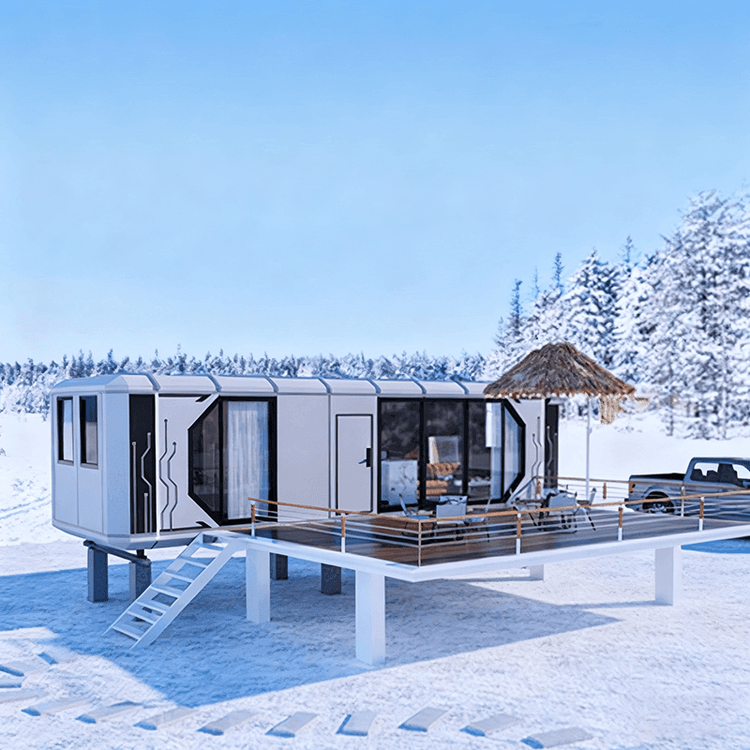
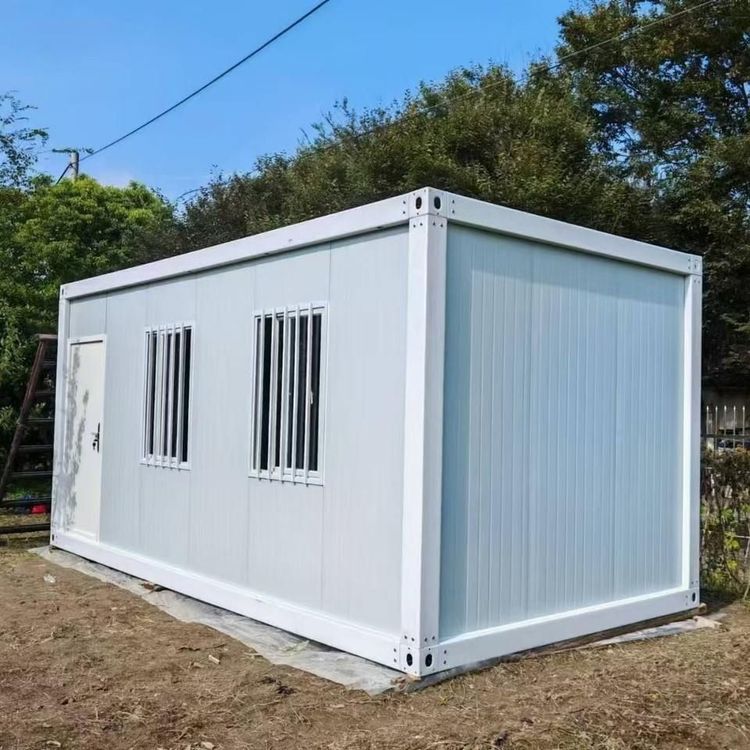
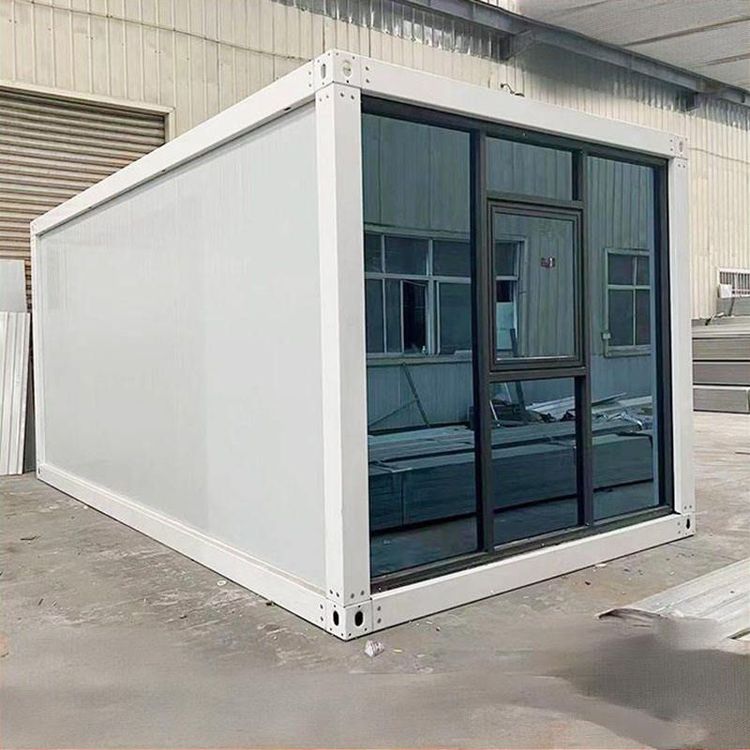
Is a Container House Suitable for the Elderly?
Whether a container house is suitable for the elderly cannot be generalized and needs to be comprehensively judged based on renovation quality, living environment, and maintenance conditions. However, there are many potential risks, and it is not recommended as the first choice for long-term residence for the elderly.

I. Renovation Quality Directly Affects Living Safety
Container houses are originally designed for cargo transportation. Although their metal materials have structural strength, they need professional renovation to meet living requirements. Key renovation aspects include:
- Thermal Insulation and Ventilation Treatment: Metals have high thermal conductivity. Thermal insulation materials such as rock wool and polystyrene boards need to be installed, and air conditioners or fresh air systems should be equipped. Otherwise, it will be as hot as a steamer in summer and as drafty as an ice cellar in winter.
- Water and Electricity System Renovation: Electrical circuits and water supply and drainage pipes need to be re-laid, and independent toilets, kitchens, and other facilities should be installed. If the renovation is improper, there may be safety hazards such as electric leakage and water leakage.
- Structural Reinforcement: The container frame needs to be anti-corrosion treated, and the connection joints need to be reinforced to withstand natural disasters such as earthquakes and typhoons.
Case Reference: A 92-year-old elderly person in Shaoxing, Zhejiang, lived in a container that had not undergone professional renovation. It lacked an independent toilet, and the elderly person's children had to take turns cleaning up the excrement. Moreover, the container leaked air severely in winter, directly leading to a poor living experience.
II. The Living Environment Needs to Meet the Special Needs of the Elderly
The elderly have higher requirements for the living environment, and the following aspects need to be focused on:
- Spatial Layout: The interior space of a container is narrow. Reasonable design (such as multi-functional furniture and large windows) is needed to increase the sense of space and avoid physical and mental discomfort caused by long-term residence.
- Barrier-Free Facilities: Non-slip floors, handrails, emergency call systems, etc., need to be equipped to adapt to the characteristics of the elderly's mobility difficulties.
- Community Facilities: It needs to be close to infrastructure such as medical care and shopping so that the elderly can obtain necessary services.
Case Reference: Penny, an 80-year-old elderly person in the United States, chose to live in a container because she had carried out fine renovation (such as a second-floor loft and an open kitchen) and had simple personal living needs. However, such cases are not universal.
III. Maintenance Conditions Determine the Service Life of the House
The service life of a container house is significantly affected by the maintenance level, and the following maintenance needs to be carried out regularly:
- External Maintenance: Check whether the coating is rusted, and promptly repaint or replace the panels to extend the structural life.
- Internal Maintenance: Regularly check the water and electricity systems and thermal insulation facilities to ensure normal functions.
- Environmental Management: Avoid using it in humid or high-salt areas to reduce the risk of corrosion.
Data Reference: The service life of a professionally renovated container house can reach 15-25 years, but if it is not properly maintained, safety hazards may appear within 10 years.
IV. Comprehensive Suggestions
If considering letting the elderly live in a container house, the following conditions need to be met:
- Choose a professional manufacturer for customized renovation to ensure that the thermal insulation, ventilation, water and electricity, and other systems meet living standards.
- Give priority to areas with a mild climate and a dry environment to reduce the impact of extreme weather on the house.
- Regularly carry out maintenance inspections and equip with necessary barrier-free facilities and emergency rescue equipment.
A Better Choice: If conditions permit, it is recommended to choose a traditional brick-concrete house or a professional elderly care institution for the elderly to provide a more stable and safe living environment.