Is Container House Resistant to Cold and Heat?
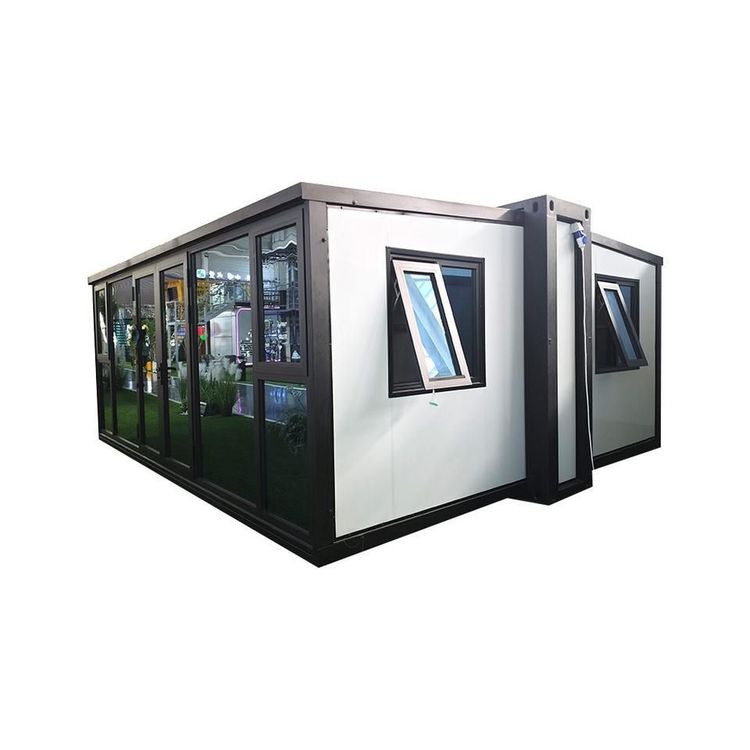
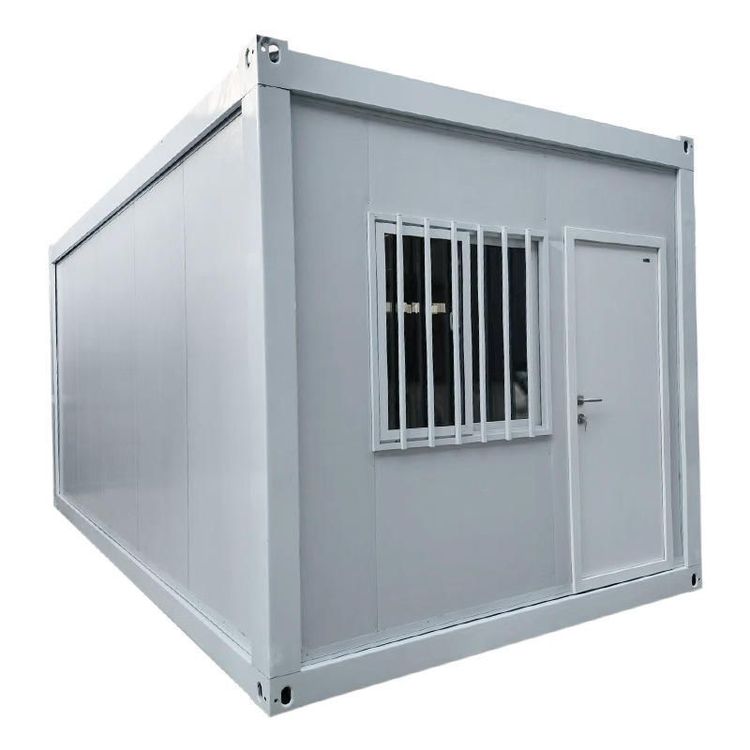
Standard container houses without thermal insulation treatment are not heat-insulating, being cold in winter and hot in summer; however, after scientific thermal insulation design and standardized construction renovation, they can achieve good cold and heat resistance, meeting the needs of living and office.

Poor Cold and Heat Resistance Before Renovation
Standard bare containers without any thermal insulation treatment do not have good thermal insulation performance due to the strong thermal conductivity of the container material (mostly metal). It is normal to be cold in winter and hot in summer. In winter, when the outdoor temperature is low, heat will quickly conduct out through the metal container body, resulting in a low indoor temperature. In summer, when the outdoor temperature is high, heat will quickly enter the room, raising the indoor temperature and making it difficult to provide a comfortable living or office environment.
Good Cold and Heat Resistance After Renovation
Through scientific thermal insulation design and standardized construction renovation, the thermal insulation performance of container houses can be greatly improved. In summer, after qualified thermal insulation renovation, container houses can achieve an indoor temperature 8 - 12℃ lower than the outdoor temperature, eliminating the need for frequent air conditioning. This is because thermal insulation materials can effectively block the entry of outdoor heat, while a good ventilation system can help lower the indoor temperature and reduce stuffiness. In winter, the indoor temperature can be 10 - 15℃ higher than the outdoor temperature. When combined with auxiliary heating, energy consumption can be significantly reduced. Thermal insulation materials can slow down the loss of indoor heat, keeping the room relatively warm and reducing heating costs.
Wide Applicable Temperature Range
The applicable temperature range of container mobile homes is usually between -40 and 60℃. In low-temperature environments, their structure and materials can maintain good strength and stability, and the thermal insulation performance can slow down the loss of internal heat, ensuring that the indoor temperature does not drop too low. In high-temperature situations, in addition to the thermal insulation materials blocking the entry of heat, a good ventilation system can help lower the indoor temperature and prevent it from becoming too high, providing a relatively suitable environment for occupants or users.