
Is a Remodeled Container House Sturdy?
The sturdiness of a remodeled container house cannot be generalized. Its safety is influenced by multiple factors such as material, structure, fire rating, and usage regulations. Remodeled houses that meet standards can possess high sturdiness, but issues like inferior materials, design flaws, or non-compliant usage may pose safety hazards. Here is a detailed analysis:
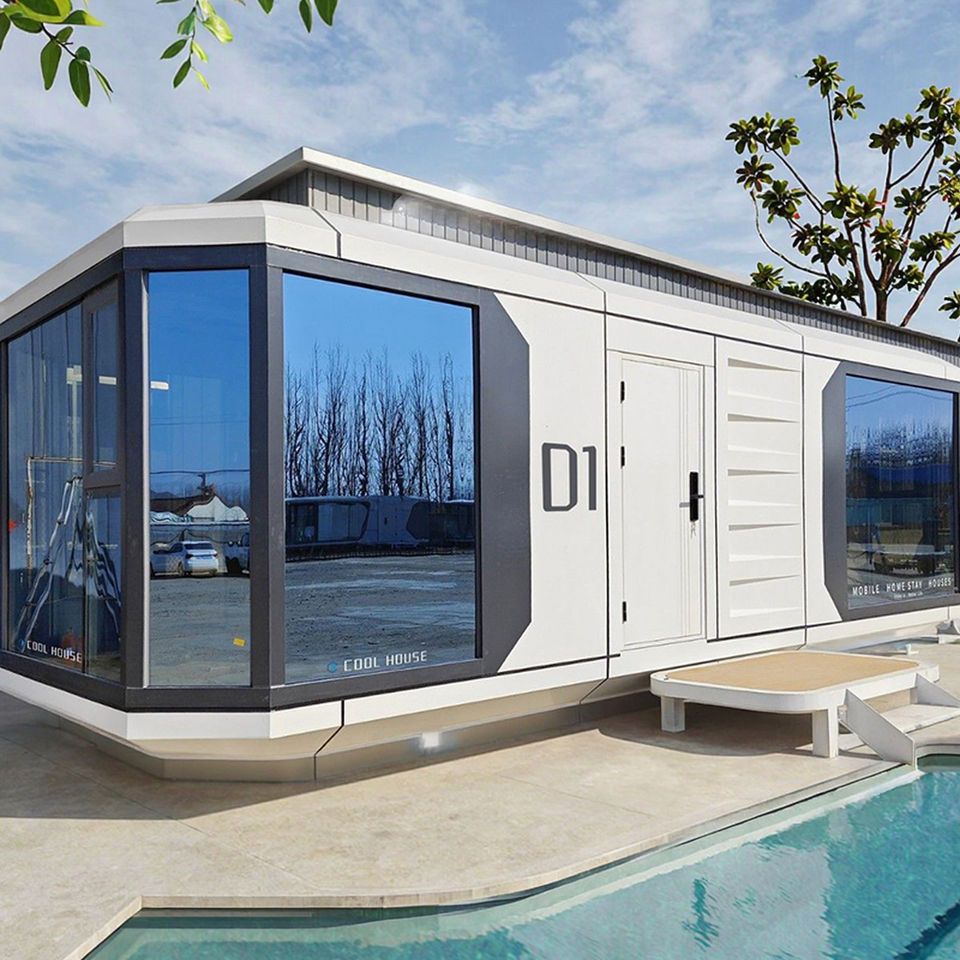
1. Structural Stability as a Fundamental Guarantee
Regularly remodeled container houses adopt a steel-frame structure, forming an integral framework through welding or bolting, which provides strong wind and earthquake resistance. For example, multi-story packing-box units require professional design to ensure the firmness of the connection nodes between containers, and the bottom structure must have sufficient load-bearing capacity to support the upper floors. If a box-frame structure is used, its overall stability is superior to that of traditional mobile panel houses, allowing it to withstand repeated disassembly and turnover, resulting in lower long-term comprehensive costs.
2. Material Selection Directly Affects Safety
- Advantages of Steel Structures: Galvanized steel with high corrosion resistance can extend the service life to over 20 years, offering rainproof, flame-retardant, and thermal insulation properties.
- Risks of Sandwich Panels: If polyurethane, polystyrene, or other flammable materials are used to fill the panel cores, they have low ignition points and poor flame retardancy, making them prone to rapid combustion when exposed to high temperatures or open flames. Moreover, their honeycomb structure can exacerbate the spread of fire. Priority should be given to Class A fire-resistant materials (such as rock wool) to meet fire safety regulations.
3. Fire Rating as a Key Indicator
The fire ratings of sandwich panels in container houses vary significantly. Class A fire-resistant materials (such as rock wool) can effectively resist combustion, while lower-grade materials may cause fires to spread rapidly, even leading to collapse. For example, fire incidents in Hangzhou and Langfang were caused by electrical faults or flammable materials, resulting in property damage and even casualties. When purchasing, it is essential to confirm the fire rating indicated on the product to avoid验收 (acceptance inspection) issues or safety risks due to non-compliance.
4. Usage Regulations and Maintenance Cannot Be Ignored
- Passage Design: Safe passages and evacuation spaces that comply with regulations must be reserved to avoid hindering fire escape due to narrow passages.
- Regular Inspections: Steel structures may deform over time due to corrosion or load changes, requiring regular maintenance to ensure load-bearing capacity.
- Avoid Non-compliant Remodeling: Randomly adding floors or changing the structural purpose may exceed the design load, leading to safety hazards.



