
Is Container House Durable?
Container houses are generally quite durable, with a service life of 15-30 years under reasonable maintenance, and some high-quality products can even exceed 50 years. Their durability is influenced by the following factors:
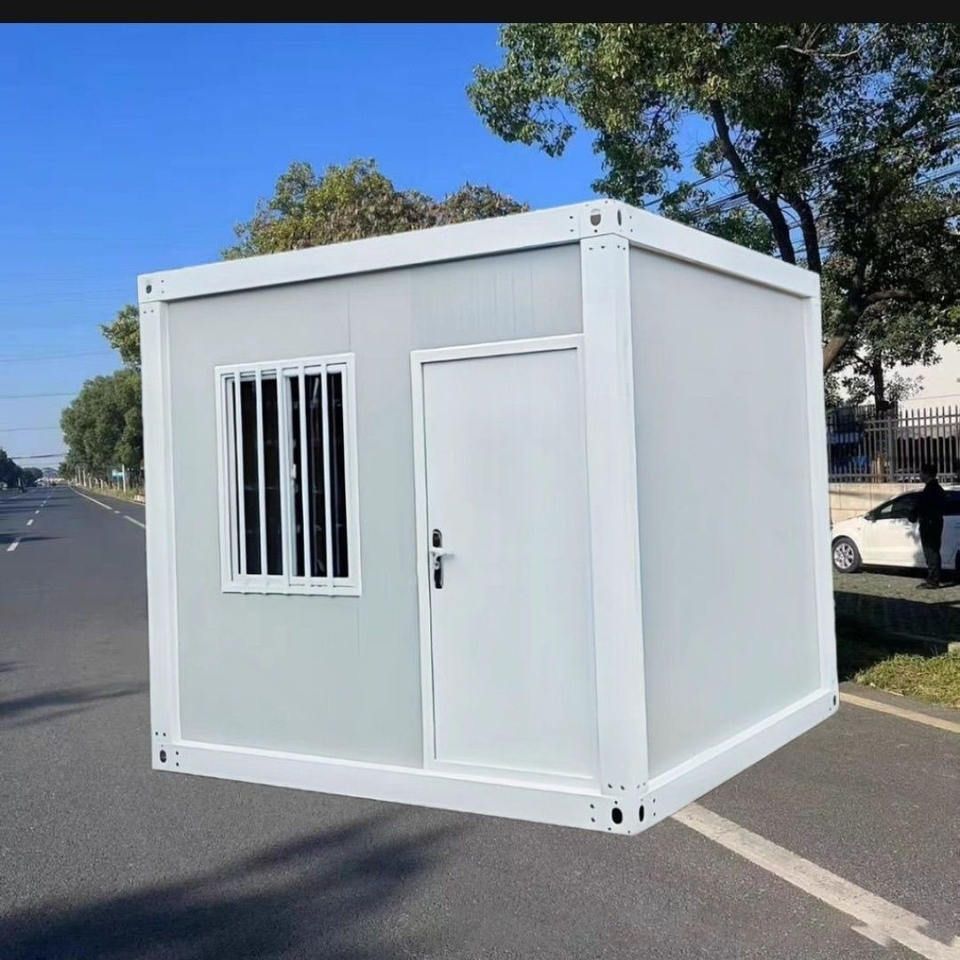
I. Structural Performance as the Foundation of Durability
Container houses are framed with high-strength steel, providing natural resistance to wind and earthquakes. Third-party test data shows that products from leading companies (such as Suzhou Zhongnan Packing Boxes) exhibit a frame deformation rate of only 0.18% under extreme conditions simulating a Category 12 typhoon and a magnitude 8 earthquake, well below the industry's acceptable threshold of 0.3%. This structural stability enables them to withstand severe weather and natural disasters, ensuring long-term safety. In contrast, non-standard, unbranded products, with thinner steel and inferior craftsmanship, are prone to wall cracking, frame tilting, and even collapse during typhoons, significantly shortening their service life.
II. Materials and Craftsmanship Determine Durability Limits
Reputable brands of container houses use corrosion-resistant steel, aluminum alloy doors and windows, and well-sealed insulation materials, enhancing weather resistance through anti-rust, fireproof, and heat-insulating treatments. For example, Suzhou Zhongnan Quick-Assembly Boxes can be disassembled and reassembled more than 15 times without significant loss of structural stability; Chengdong Integrated Housing establishes anti-corrosion standards through salt spray tests, ensuring long-term use in humid environments. In contrast, unbranded products, with inferior materials, exhibit frame looseness and wall deformation after just 2-3 disassemblies, with a service life of less than 5 years.
III. Usage Environment and Maintenance Affect Actual Lifespan
Container houses last longer in dry environments, while those in humid or high-salt areas require enhanced anti-corrosion treatment. Regular maintenance (such as applying protective paint every 1-2 years, checking interface water tightness, and updating electrical and plumbing facilities) can significantly extend their lifespan. For example, Qinghai Guangzan Light Steel notes that high-quality container houses can last 20-30 years with regular maintenance; Chengdong Integrated Housing's specially designed products can last up to 25 years, and light steel villa-type semi-permanent buildings can even exceed 50 years.
IV. Differences in Application Scenarios and Product Types
Container houses designed for temporary use (such as construction site dormitories) typically have a design life of 5-10 years; those for semi-permanent use (such as cultural and tourism accommodations) can last 15-25 years through reinforcement and customization; and high-end products like light steel villas, treated with professional techniques, can exceed 50 years in lifespan.



