Is a Mobile Container Considered a House?
Whether a mobile container is considered a house requires a comprehensive assessment based on its use and legal definitions. Essentially, it is a movable modular building space, but its use for residential purposes may raise compliance issues. The following analysis is conducted from three dimensions: definition, use, and legal attributes.

1. From the perspective of building definition, mobile containers are modular building carriers
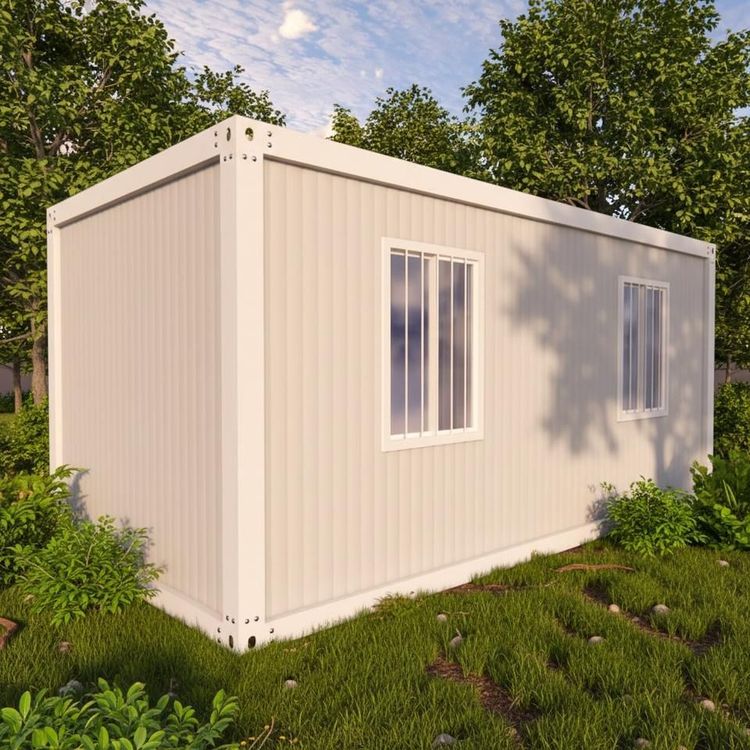
After structural reinforcement, thermal insulation, window and door openings, plumbing and electrical pre-installation, and interior decoration, containers can form independent living or office spaces. For example, a standard shipping container, after modification, can have an interior height of up to 2.6 meters, equipped with double-glazed windows, non-slip floors, LED lighting, and pre-installed electrical outlets, meeting basic living or office needs. Such modified containers are modular, quick to assemble and disassemble, and reusable, widely used in construction site dormitories, scenic area homestays, and temporary urban offices, with functions highly similar to traditional houses.
2. From the perspective of use, residential purposes may involve compliance disputes
If containers are used for residential purposes, their legal status may change. According to relevant legal interpretations, to be classified as an 'illegal structure,' two conditions must be met: first, it must be a building, and second, it must violate regulations without approval. Containers themselves are movable metal structures; if used solely as temporary warehouses, they are generally not considered buildings. However, if used for long-term residence without construction approval (some areas require registration), they may be deemed illegal structures. For example, placing a residential container on public land without the approval of property management or authorities, even if the container meets technical standards, may still face corrective obligations due to the occupation of public space.
3. From the perspective of legal attributes, their classification depends on the use scenario and management requirements
The legality of containers must be assessed in conjunction with the use scenario and management requirements. If used for temporary offices, commercial pop-ups, or government and enterprise temporary buildings, and they meet core indicators such as structural stability (e.g., meeting wind and earthquake resistance standards) and fire resistance (e.g., B1 or higher), they are generally considered compliant modular buildings. However, if used for residence without approval, they may be deemed illegal structures due to violations of building management regulations. Additionally, there are regional differences in the management of container use, with some areas allowing use after registration and others strictly restricting residential use.