Back to blog
Article
Iron Container Mobile House
Admin September 15, 2026
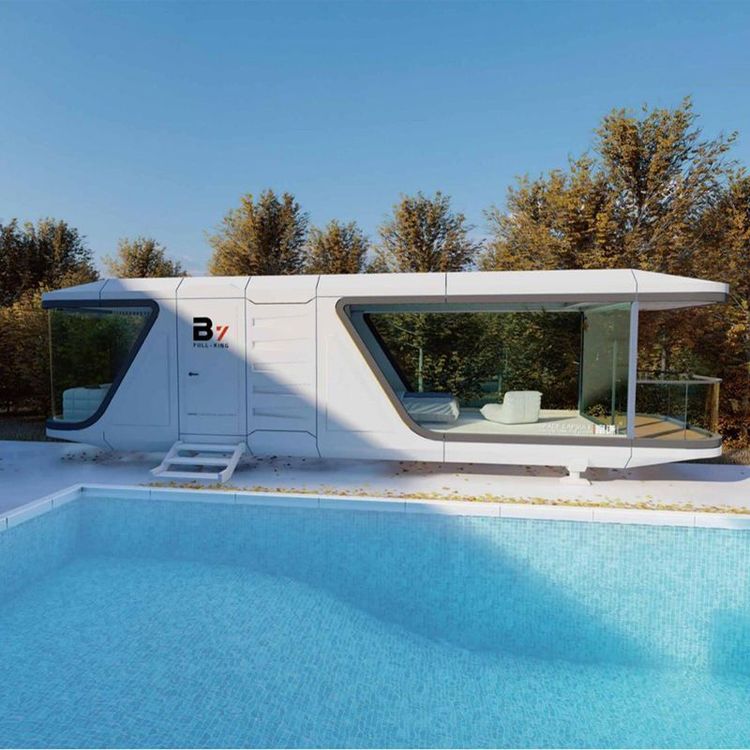
The iron container mobile house is a movable and reusable building unit transformed from a standard container. It features a sturdy structure, convenient transportation, and strong adaptability, and is widely used in scenarios such as construction site offices, temporary accommodations, commercial pop-ups, and emergency support.

Structure and Types
The iron container mobile house is based on standard containers (common sizes are 20 feet and 40 feet) and forms an independent functional space through structural modifications. According to design differences, it can be divided into four categories:
- Container-type: Single or multiple containers are spliced together, suitable for fixed scenarios such as project departments and construction site command centers. It has strong structural stability and can be stacked for use.
- Foldable-type: It adopts a hydraulic or manual folding structure. During transportation, its volume is compressed to 1/5 to 1/4 of its expanded state. A single truck can carry 15-20 sets, making it suitable for scenarios requiring rapid deployment such as emergency rescue and short-term turnover.
- Expandable-type: Side or end expansion cabins are added to the container, increasing the usable area by 30%-50%. It is suitable for long-term on-site offices or scenarios with high requirements for space comfort.
- Assembled-type: It combines light steel keels with color steel plates and is assembled on-site in a modular manner. It can be flexibly expanded according to needs and is commonly seen in temporary offices in parks and event planning sites.
Performance Advantages
- Environmental protection and recycling: The steel consumption is lower than that of traditional concrete buildings, and carbon emissions are reduced by about 60%. It supports multiple disassembly and reuse, with an average of more than 8 disassembly and assembly times, and the amount of construction waste discharged is reduced by about 90%.
- Adaptability and flexibility: Through modular splicing, facade customization, and internal functional modifications, it can be adapted to multiple scenarios such as engineering camps, mobile commerce, cultural and tourism accommodations, and emergency support.
- Economy: The overall cost is lower than that of traditional fixed temporary buildings, and long-term use can save transportation, storage, and maintenance costs.
Application Scenarios
- Engineering construction: As temporary facilities such as project departments, dormitories, and warehouses, it meets the needs of rapid deployment and frequent relocation.
- Emergency support: In disaster relief, foldable containers can be deployed in batches within 48 hours, and the transportation cost is reduced by 30%-50% compared with traditional solutions.
- Commerce and cultural tourism: Through personalized design, it can be transformed into cafes, shops, homestays, etc., supporting pop-up activities or long-term operations.