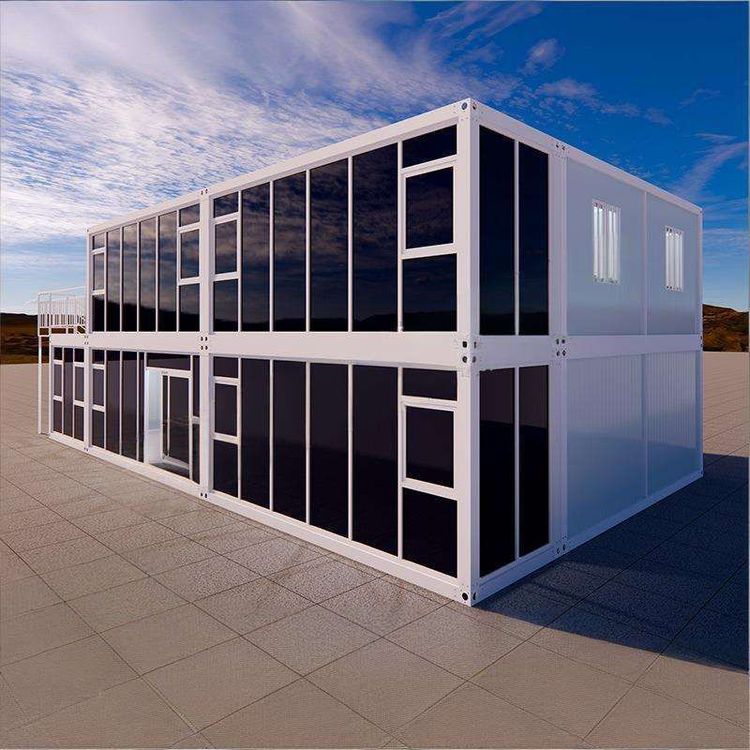
Internal Structure of Portable Toilets
The internal structure of portable toilets varies depending on their design type and purpose. Common types and their structures are as follows:

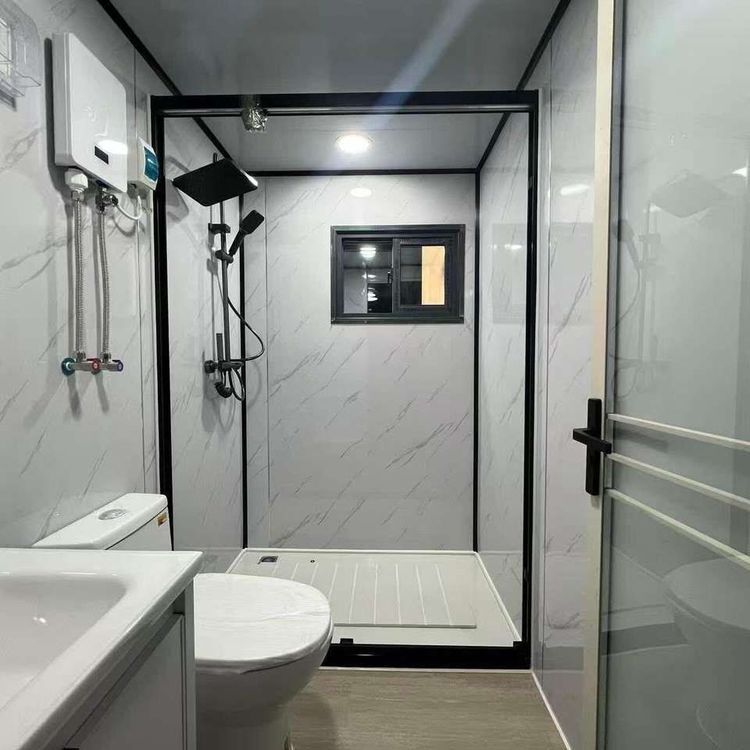
Integrated Portable Toilets: These are typically divided into separate functional areas, including a shower room and a toilet compartment. The shower room is equipped with a steel door, lighting switch, adjustable showerhead, and a 304 stainless steel faucet. The floor is made of non-slip marble tiles with a designed slope to facilitate water drainage. The toilet compartment includes a pedestal sink, a 304 stainless steel faucet, a men's urinal (with a flush valve), a corrugated sheet roof, and a drain. Privacy partitions are installed between urinals, and the floor also uses marble for durability and slip resistance.
Universal Portable Toilets: These are constructed from modular components, with core parts including a fecal and wastewater storage tank (or disposal unit), flooring, sanitary fixtures (such as toilets or urinals), walls, washing facilities (such as sinks and faucets), a water tank, and a roof. Some models are equipped with mobility devices for easy relocation. The storage tank collects waste, while the water tank provides flushing water. The walls and roof are made of lightweight materials (such as color-coated steel sheets or fiberglass-reinforced plastic), balancing strength and portability.
Homemade Portable Toilets: These are usually modified from water storage tanks and pallets, containing a cut-open water storage tank (as a waste container), a mobile base with universal wheels, a toilet, and a drainage system. The washing area is equipped with a homemade stainless steel sink, a shower hose, and a bracket. The door is made of wood or lightweight panels, and water is supplied by connecting the water tank to the fixtures via pipes. This design is cost-effective but requires regular cleaning of the storage tank.
Stainless Steel Facility Portable Toilets: These feature stainless steel fixtures (such as handrails, sinks, and toilets) for corrosion resistance and uniformity. The toilets are mostly squat or sit-down types with flush valves; sinks have drainage pipes underneath, and some models include hand dryers or paper towel dispensers. The walls and roof may be made of stainless steel sheets or composite materials, providing a sturdy structure suitable for high-frequency use scenarios.
The structural differences among various types of portable toilets mainly lie in the combination of functional modules, material selection, and portability design. The appropriate model should be selected based on the usage scenario (such as tourist attractions, construction sites, or temporary events).