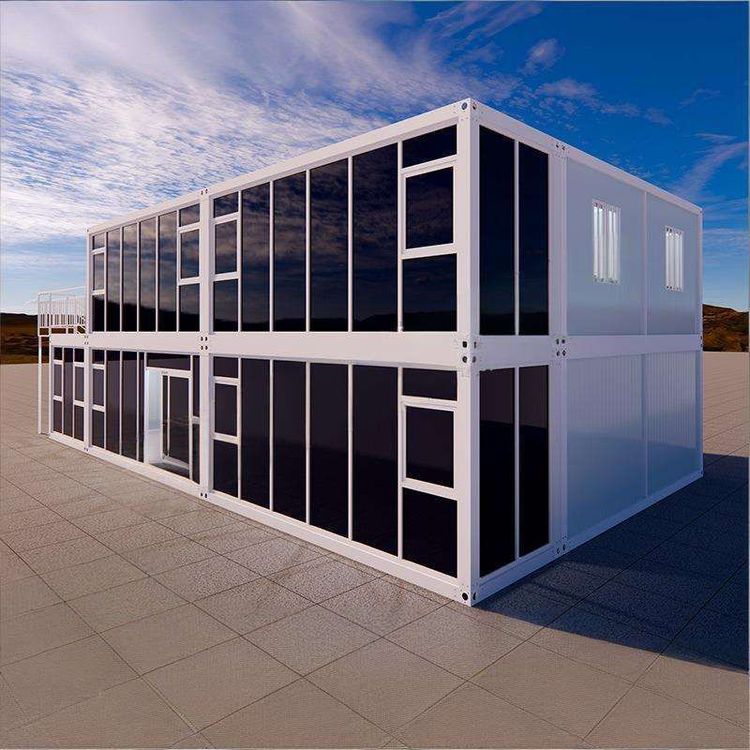
Music Festival Portable Toilets
The preparation of portable toilets for music festivals requires comprehensive consideration of various factors such as demand, quality, rental or purchase, suppliers, and details.

Clarify the demand: When preparing portable toilets for a music festival, the first step is to determine the quantity based on the scale of the festival and the expected number of attendees. Generally, at least 3 - 5 portable toilets should be allocated for every 1000 spectators. At the same time, the ratio of male to female toilet stalls should be considered, which can be set at 1:1 or 1:1.5 to meet the usage needs of different genders. In addition, it is necessary to select the appropriate type according to the actual situation of the venue, such as ordinary type, barrier-free type, and type with shower function.
Pay attention to product quality: Product quality is of utmost importance. Focus on the materials. The frame should be made of high-strength steel to ensure a stable structure. The outer shell should be made of waterproof and corrosion-resistant composite materials to adapt to the outdoor environment. The sealing and odor-proof performance should not be overlooked. Good sealing can prevent the emission of unpleasant odors. The internal facilities should be complete, such as being equipped with hand-washing basins, flushing systems, and ventilation equipment, to enhance the user experience. For example, the portable toilets for music festivals produced by Hefei Meixin Electromechanical Technology Co., Ltd. use metal carved panels, which are tough, not easily damaged, heat-resistant, and sun-proof.
Weigh rental against purchase: For short-term music festivals, renting portable toilets may be more cost-effective. Rental companies usually provide one-stop services including transportation, installation, maintenance, and recycling. However, for long-term or fixed-venue needs, bulk purchasing is more cost-effective, but it is necessary to comprehensively consider factors such as rental duration, costs, and purchasing and maintenance costs.
Choose reliable suppliers: Check the supplier's business license, relevant industry certifications, and other qualification documents, and understand its past service cases and customer evaluations. When signing the contract, clarify the rights and obligations of both parties, including the scope of services, cost details, maintenance clauses, and liability for breach of contract, to safeguard your own rights and interests.
Pay attention to details: When transporting and installing, consider the actual situation of the venue to ensure a smooth transportation route and a reasonable installation location. At the same time, pay attention to after-sales support services, such as whether 24-hour maintenance services are provided and the fault response time, so that problems can be solved in a timely manner during use.