Intelligent Mobile Toilet Design
Intelligent mobile toilet design encompasses multiple aspects including overall structure, status sensing, resource recycling, energy supply, environmental adaptability, appearance materials, intelligent operation, and additional functions.

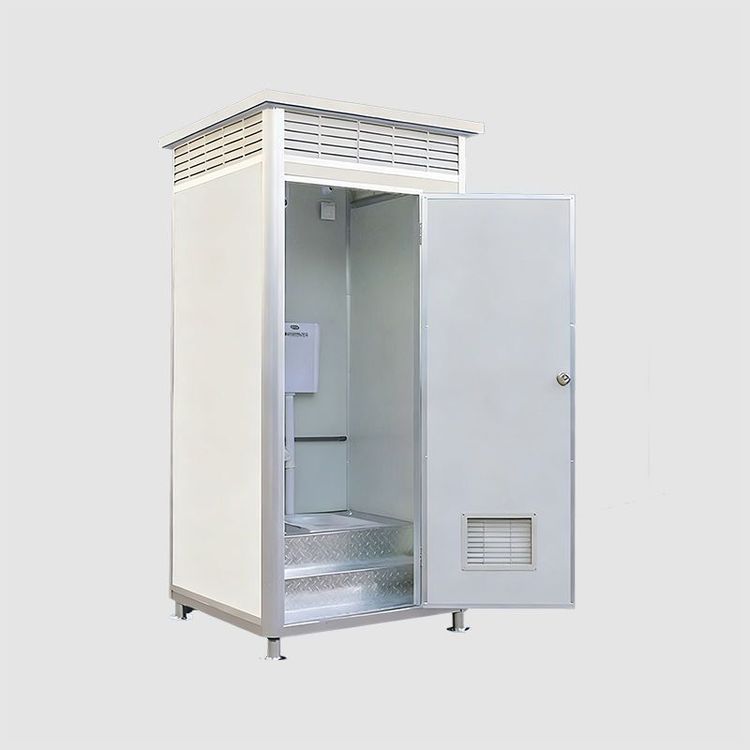
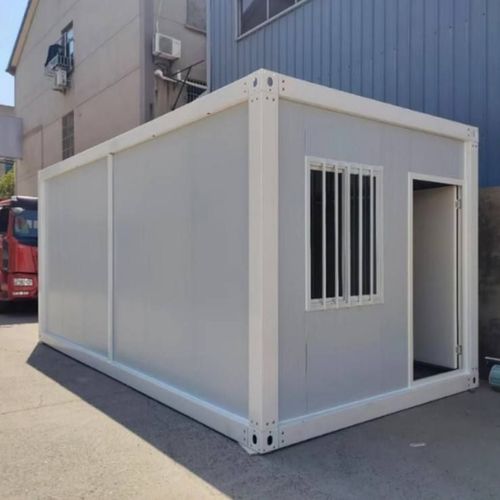
In terms of overall structure, a modular design concept is adopted. The main functional areas such as toilet stalls, management rooms, and equipment rooms are pre-fabricated as independent units in the factory. This design enables precise control over material usage and process quality, reduces construction waste and energy consumption, and facilitates production, transportation, and rapid on-site deployment.
For status sensing and guidance, sensors are used to collect real-time information on toilet stall usage, which is displayed on the door screens to guide users. Moreover, this system is linked with the cleaning and maintenance system. When the usage frequency reaches a preset threshold or the sensors detect specific conditions, it automatically triggers internal cleaning or deodorization procedures.
Resource recycling is a crucial aspect. Regarding water resources, small water treatment units are equipped to filter and disinfect gray water from washing and then reuse it for toilet flushing or green irrigation, forming a local micro-cycle. This reduces dependence on municipal water networks and transportation vehicles, lowering operational transportation energy consumption and costs. In terms of waste treatment, biological degradation or chemical treatment technologies are integrated. Some solid wastes can be decomposed and reduced within the facility, shortening the waste treatment chain and reducing the risk of secondary pollution and energy consumption. However, the treatment efficiency and the stability of the final products still require continuous optimization.
The energy supply favors a hybrid model. Solar photovoltaic panels can meet the daily needs of low-power devices such as lighting and sensor control. In case of continuous rainy days or insufficient winter sunlight, it automatically switches to the municipal power grid for supplementation, seeking a balance between energy self-sufficiency and supply security to enhance operational reliability under various weather conditions.
In terms of environmental adaptability, the design is tailored to regional climates. For example, in areas with significant temperature differences between winter and summer, the wall materials consider stronger thermal insulation properties, and the ventilation system takes into account both summer ventilation and winter warmth retention needs, maintaining a comfortable and stable internal environment and extending equipment maintenance cycles.
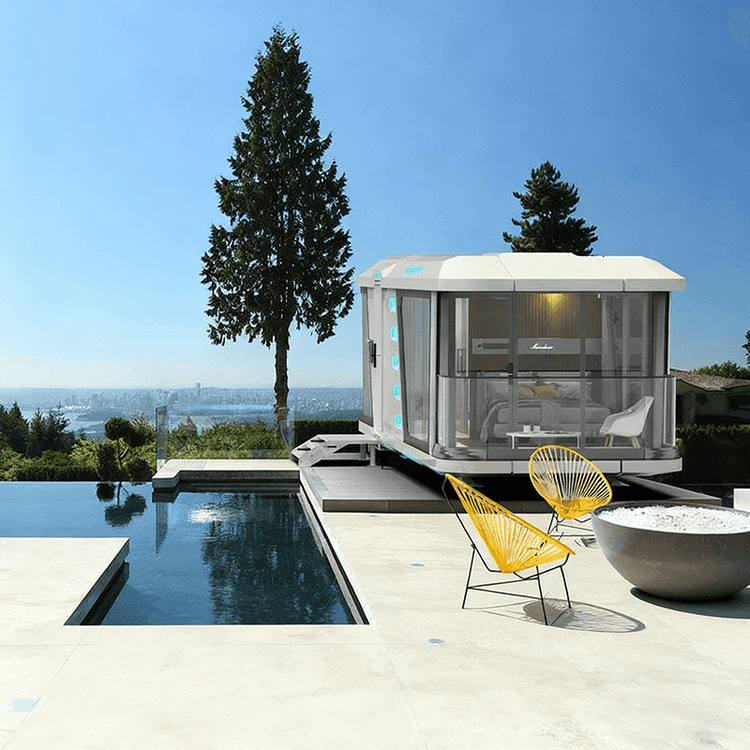
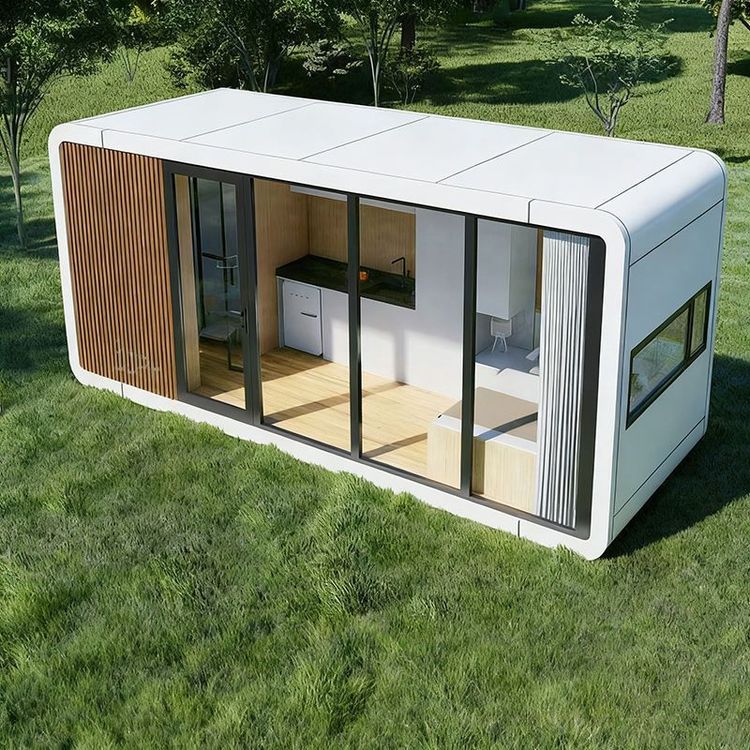
Regarding appearance and materials, there is a U-shaped apple pod design with fluorocarbon-painted aluminum panels for the exterior walls, which are sturdy and aesthetically pleasing. The floor material is rock panels, and there is also a frame-type steel structure design that is sturdy, durable, and close to nature.
In terms of intelligent operation, it features one-touch intelligent operation functions such as automatic induction door opening and closing and automatic toilet flushing after use. In addition to basic functions, optional facilities such as first-aid kits, thermometers, and water dispensers can be installed for public use. Child changing boards and handrails are set up to meet the needs of different groups of people. There is an outdoor advertising area on the outside, and it may also be equipped with a rest area for sanitation workers.