Intelligent Mobile Community Toilet
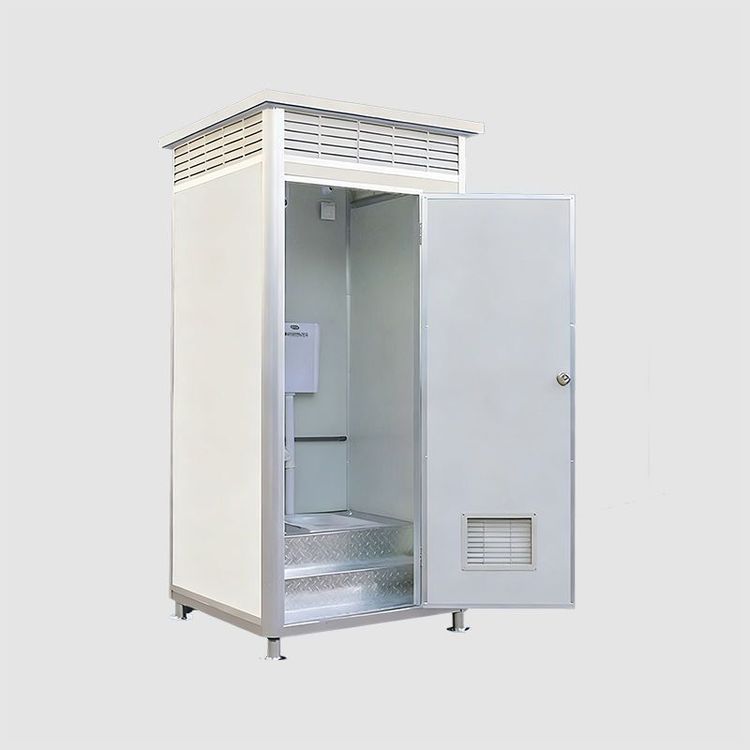
The intelligent mobile community toilet is an intelligent application form of mobile toilets, suitable for newly built communities and other places, featuring a lightweight structure, intelligent functions, environmental protection, water conservation, and flexible mobility.

1. Structural and Functional Design
The overall structure of the intelligent mobile community toilet focuses on being lightweight and durable, typically using lightweight high-strength materials such as fiberglass-reinforced plastic and polyethylene. Some designs, like the U-shaped apple pod structure, balance aesthetics and practicality. The exterior walls often use fluorocarbon-painted aluminum panels to enhance corrosion resistance and sturdiness, adapting to outdoor environments. The interior space is reasonably laid out, equipped with independent squatting or sitting toilets, and reserved ventilation ducts to ensure air circulation. Some products also achieve functional expansion through modular design, such as adding barrier-free facilities or maternal and infant care stations to meet diverse needs.
2. Intelligent Systems
The toilet is equipped with various intelligent devices inside, significantly enhancing user convenience. For example, the automatic lighting system uses infrared sensors to turn on the lights when someone approaches and turn them off when they leave, reducing energy consumption. Sensor-based handwashing devices and soap dispensers provide water or soap without contact, preventing cross-infection. Some high-end products support gesture-controlled door opening, seat replacement, and flushing, enabling fully contactless operation. Additionally, IoT technology can monitor toilet stall usage status, water and electricity consumption, and other data in real-time, and feed it back to the management terminal through a cloud platform, facilitating timely maintenance by operation and maintenance personnel.
3. Environmental Protection Technologies
Water conservation and odor control are the core advantages of intelligent mobile community toilets. The micro-water flushing technology reduces the average flushing volume to approximately 0.75L per person per use by optimizing the water flow path, saving over 80% of water compared to traditional toilets. The foam sealing technology uses foaming agents to cover the toilet surface, forming a seal layer with a water consumption of ≤30ml per person, while inhibiting odor diffusion. The vacuum collection technology uses negative pressure suction to centrally treat waste, consuming minimal water and preventing odor leakage. These technologies not only reduce water waste but also lower sewage discharge pressure, complying with green building standards.
4. Mobility and Combination Advantages
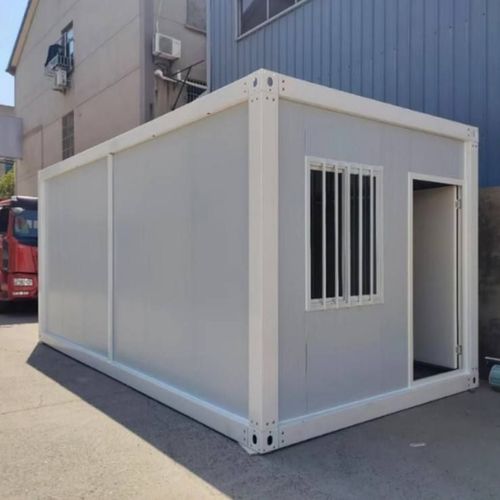
The intelligent mobile community toilet can be quickly deployed through integral hoisting or modular assembly, adapting to scenarios such as temporary community events, construction phases, or insufficient coverage by fixed public toilets. For example, during peak holiday periods, additional toilet units can be temporarily added to alleviate pressure. After construction is completed, the toilet can be relocated as a whole to other areas for reuse, avoiding resource idleness. Modular design also supports functional expansion, such as adding management rooms or tool storage areas, improving space utilization.