
Images of Integrated Prefabricated Houses
Currently, specific images of integrated prefabricated houses cannot be directly provided, but a detailed description of their types and characteristics can be offered.
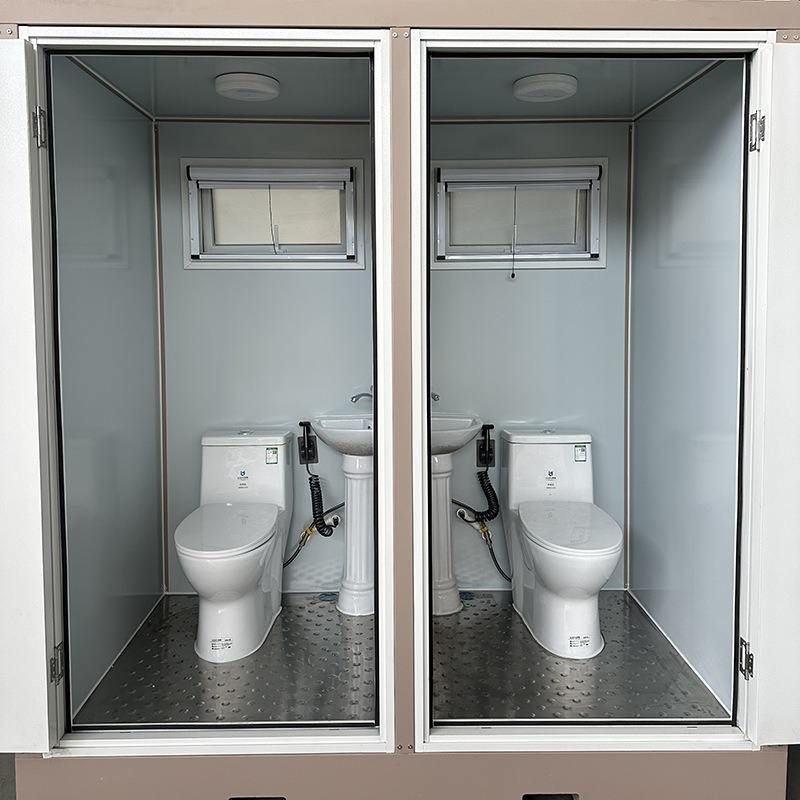
Integrated prefabricated houses are a form of construction where major components are prefabricated in factories and then transported to the site for assembly. They offer advantages such as efficiency, environmental friendliness, and flexibility. Based on differences in materials and structures, integrated prefabricated houses can be mainly classified into the following types:
1. Fully Reinforced Concrete Structure Prefabricated Houses
These houses use reinforced concrete as the primary material. Components such as walls, floors, beams, and columns are produced through standardized factory processes and then transported to the site for assembly. Their advantages include structural stability and strong durability, making them suitable for long-term residence or scenarios with high safety requirements. For example, some cement "prefabricated houses" in rural areas of Henan, with an area of about 200 square meters, are quickly constructed through modular design, ensuring both living comfort and a shortened construction period.
2. Steel or Aluminum Alloy Structure Prefabricated Houses
These houses use steel or aluminum alloy as the framework, paired with lightweight panels (such as color-coated steel sheets and aluminum-plastic panels) to form walls and roofs. They are lightweight, easy to transport, and can be disassembled and reused, often used for temporary buildings, construction site dormitories, or tourism and vacation scenarios. For instance, container houses are a typical example of steel prefabricated houses. By modifying standard containers, various housing types can be designed, such as fully furnished luxury villas and large floor-to-ceiling window sunrooms, with a fashionable appearance and complete functionality.
3. Glass Fiber Reinforced Plastic (GFRP) Composite Material Prefabricated Houses
GFRP, known for its corrosion resistance and good thermal insulation properties, is suitable for humid or extreme climate environments. These houses typically adopt an integrated molding process, reducing on-site assembly procedures and further shortening construction time. Their appearance can be designed in a streamlined or modern minimalist style to meet personalized needs.
Core Advantages of Integrated Prefabricated Houses
- Efficient Construction: High-precision factory-prefabricated components and fast on-site assembly significantly shorten the construction period.
- Environmental Protection and Energy Efficiency: Reduced on-site wet operations (such as concrete pouring) lower dust and noise pollution; some materials can be recycled.
- Flexible Customization: Adjustments can be made to the house type, floor height, or appearance according to needs, adapting to different scenarios (such as residence, office, or commercial use).
For further information on specific cases or design details, it is recommended to contact professional prefabricated house manufacturers or consult authoritative platforms in the construction industry (such as the official website of the China Academy of Building Research) for the latest collections of drawings and specifications.



