Integrated Bathroom Mobile Toilet Combination
Currently, there is no specific information about the combination of integrated bathrooms and mobile toilets, but we can introduce the characteristics of integrated bathrooms and mobile toilets separately, as well as speculate on the potential advantages of their combination.

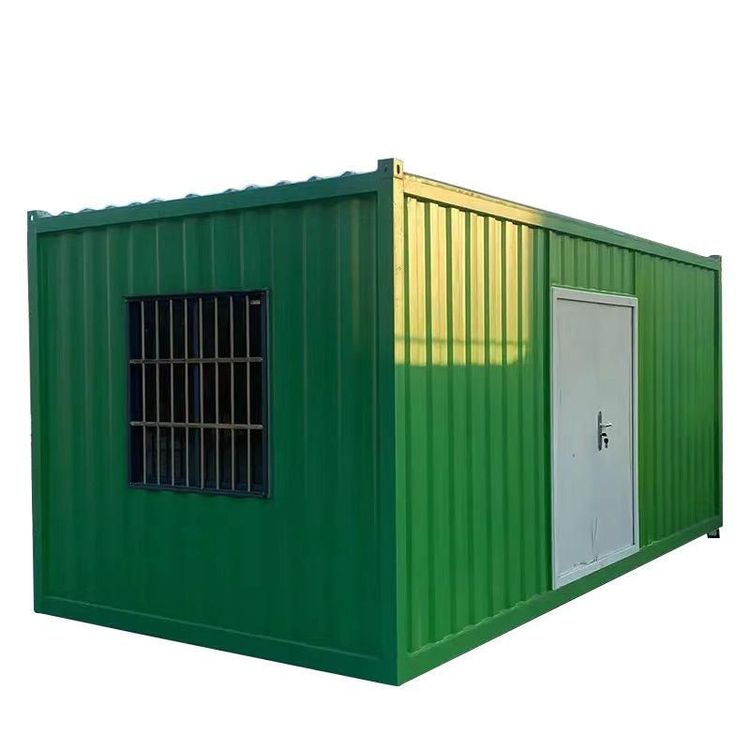
Mobile toilets are facilities that can be moved as a whole and placed at locations with fixed or temporary needs to provide toilet services for the public and customers. They generally consist of fecal sewage storage tanks (or fecal sewage treatment devices), floor slabs, sanitary ware, walls, washing equipment, water tanks, roofs, and mobile devices. Some mobile toilets have specific layouts. For example, double-compartment mobile restrooms adopt a compact layout with a central public hand-washing area and are fronted with aluminum-plastic panels. Customized mobile toilets are divided into male and female areas, with a sturdy and durable overall steel structure frame welded together. They use gray and white metal carved panels, have light and ventilation sliding windows, and gray aluminum alloy exterior doors.
Integrated bathrooms integrate multiple functions such as face washing, bathing, and toilet use within a limited space. They feature overall design, production, and installation. Typically, they use an integrated waterproof base plate, wall panels, and ceiling panels to form an overall framework, which is then equipped with various functional sanitary ware to create an independent and complete bathroom space.
Combining integrated bathrooms with mobile toilets may offer several advantages. From the perspective of functional completeness, it can provide more comprehensive bathroom services within a relatively independent space, meeting not only basic toilet needs but also washing and bathing requirements, thereby enhancing the user experience. In terms of space utilization, the compact design of integrated bathrooms can better adapt to the limited space of mobile toilets, improving space utilization efficiency. From the perspective of installation and maintenance, the integrated design and production of integrated bathrooms facilitate overall installation and subsequent maintenance within mobile toilets, reducing installation time and maintenance costs. However, this combination also faces some challenges, such as how to address issues related to large amounts of water usage and sewage discharge, as well as how to ensure the structural stability of the integrated bathroom during movement.