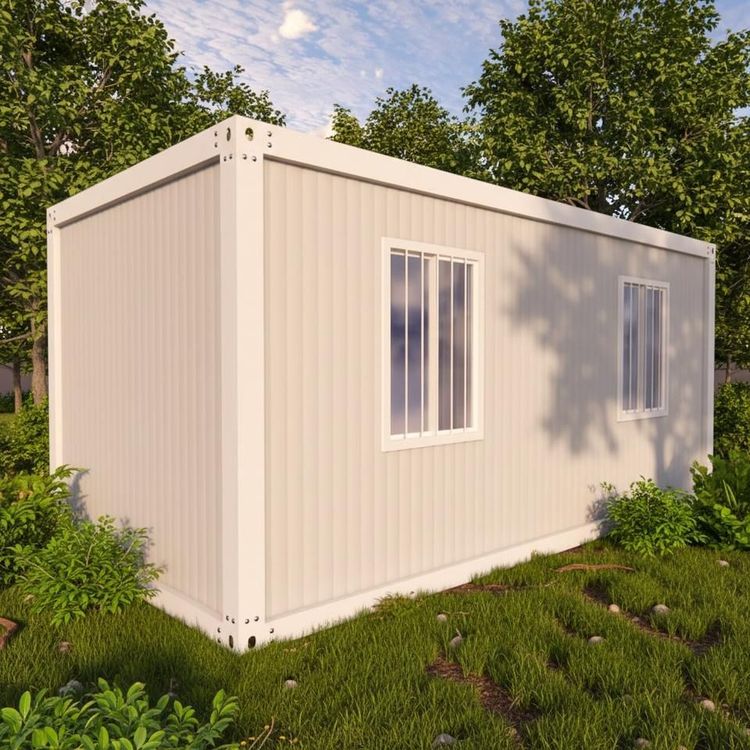
Installation of Wuwei Mobile Toilets
The installation of mobile toilets in Wuwei requires comprehensive consideration from six aspects: installation location, structural design, internal functional configuration, operation and maintenance, waste disposal, and environmental protection measures.

Installation Location: Selection should be tailored to the usage scenario: In cultural tourism areas, it is necessary to balance landscape harmony with visitor accessibility, avoiding damage to the appearance of heritage conservation sites. In parks, priority should be given to placing them at the intersections of visitor paths or at the edges of activity areas to minimize visual interference with core landscapes. For temporary large-scale events, ensure rapid setup and removal of facilities, with transportation unit specifications matching site conditions. In operational areas with insufficient fixed infrastructure coverage, prioritize models with strong durability and low maintenance costs.
Structural Design: It should adapt to Wuwei's climatic characteristics: Modular boxes should use fiberglass or metal sandwich panels, providing weather resistance to cope with significant temperature variations. The bottom of the box should integrate a sewage storage container, with capacity calculated based on estimated foot traffic to avoid frequent cleaning. The roof should be designed with a slight slope to ensure efficient natural drainage and prevent structural damage from rainwater accumulation.
Internal Functional Configuration: It should meet ergonomic and environmental requirements: Toilet height, handrail positions, etc., should be designed according to standard dimensions to enhance user comfort. The ventilation system should combine top natural air exchange with mechanical exhaust to create an air circulation path. Lighting should use LED sources to balance energy efficiency and illumination needs. Washbasins should be equipped with sensor or push-type valves to reduce water waste.
Operation and Maintenance: Standardized procedures should be established: Cleaning tasks include surface disinfection, waste collection, and container replacement, with frequency adjusted dynamically based on seasonality and visitor volume. Consumables such as toilet paper and hand soap should have inventory warning mechanisms to prevent shortages. Equipment inspections should cover pipe sealing, mechanical component operation, etc., reducing failure rates through preventive maintenance.
Waste Disposal: Classification and standardized operation are required: Solid waste should be sealed and collected before being transported to designated disposal sites. Liquid waste should be transported by specialized vehicles with spill-proof containers, with disposal methods implemented according to municipal planning, possibly entering sewage treatment systems or independent treatment facilities.
Environmental Protection Measures: They should be implemented throughout the entire lifecycle: Water-saving fixtures should be selected to reduce single-use water consumption. Some models should be equipped with solar power modules to reduce reliance on external energy sources. Building materials should prioritize recyclable options, with decomposable and reusable components for discarded boxes. Odor control should use biological deodorizers or physical adsorption materials to avoid environmental pollution from chemical masking agents.