
Installation of Mobile Toilets at the Community Entrance
The installation of mobile toilets at the community entrance requires a comprehensive consideration of pros and cons and scientific management
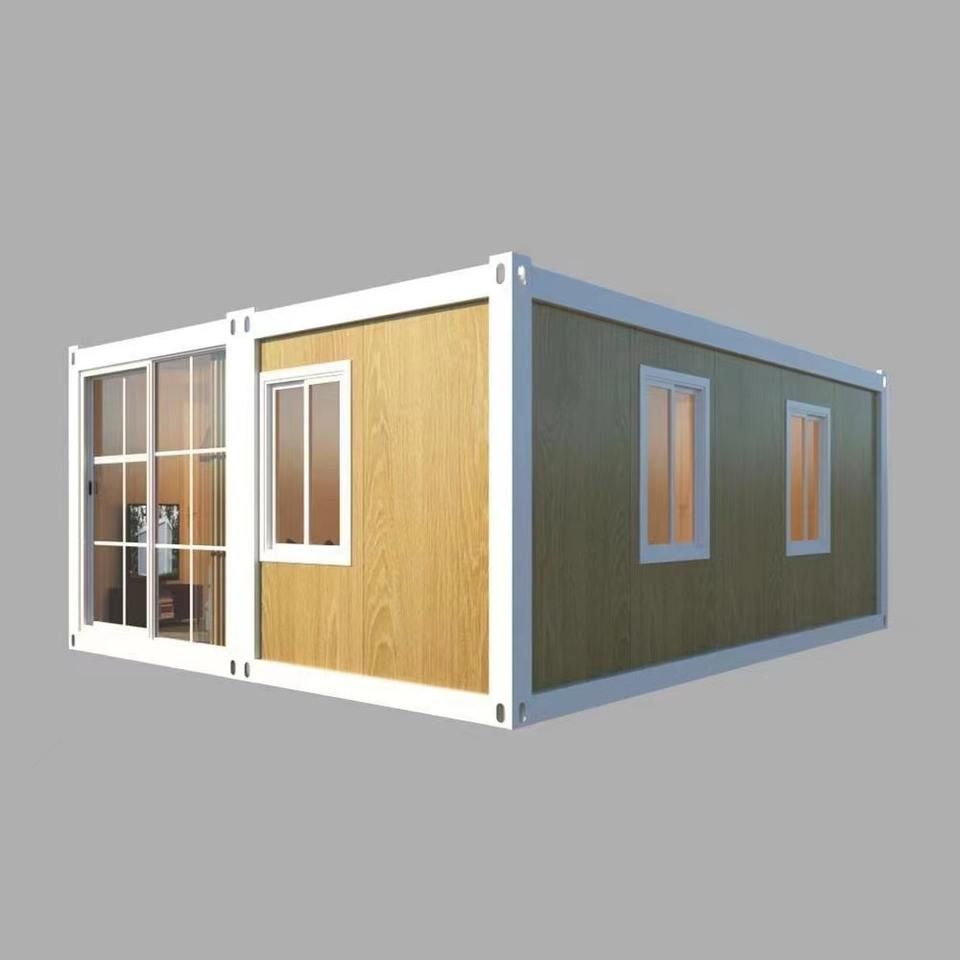
Mobile toilets are characterized by their mobility, ease of transportation, and flexible combination, making them suitable for places with temporary or high mobility demands, such as stations, tourist attractions, and large construction sites. Installing mobile toilets at the community entrance is usually to meet the toilet needs in specific scenarios, such as concentrated operations by workers during community renovations, insufficient public toilets in the surrounding area, or as temporary emergency facilities. Their advantages lie in easy installation, relatively low cost, and the ability to adjust their positions or quantities according to needs.
However, the installation of mobile toilets may also trigger a series of issues. The primary issue is unreasonable location planning. If they are placed too close to residential buildings (e.g., only 10 meters away), they may cause disturbances to residents' daily lives, including odor diffusion, noise pollution (e.g., from nighttime cleaning or use), and psychological discomfort. Secondly, sanitation management is a key challenge. If cleaning is not timely or maintenance is inadequate, problems such as fecal accumulation, fly infestation, and pathogen transmission may arise, not only affecting the community environment but also posing a threat to residents' health. Additionally, mobile toilets have limited durability, and long-term exposure to the outdoors may lead to equipment aging due to wind and sun exposure, increasing maintenance costs.
To address these issues, scientific management measures are required. First, plan the location reasonably. Avoid sensitive areas such as residential buildings and children's play areas, prioritize well-ventilated and moderately trafficked open spaces, and set up clear signs to guide use. Second, strengthen sanitation maintenance. Establish a strict cleaning system, such as increasing the frequency of cleaning (at least 2-3 times a day), regular disinfection, and timely fecal removal, and make cleaning records public for resident supervision. Third, optimize facility design. Choose eco-friendly materials and well-sealed toilet types to reduce odor leakage; equip them with basic facilities such as sinks and lighting to enhance the user experience. Fourth, establish a feedback mechanism. Collect opinions through resident meetings, online questionnaires, etc., and dynamically adjust management strategies.
If there is a long-term need for toilets in the community, it is recommended to use mobile toilets as a transitional solution and gradually plan for permanent public toilets to fundamentally address the issue of insufficient facilities.



