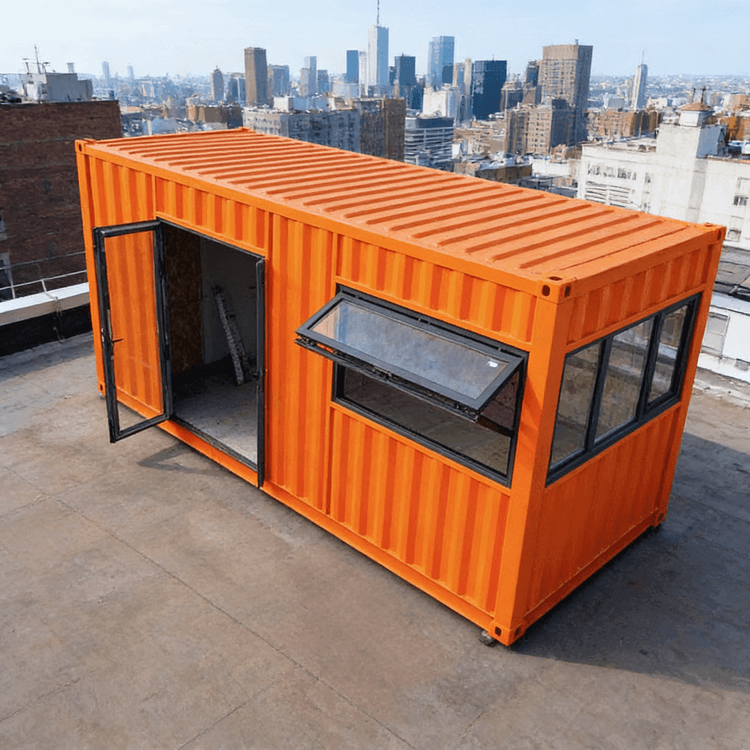
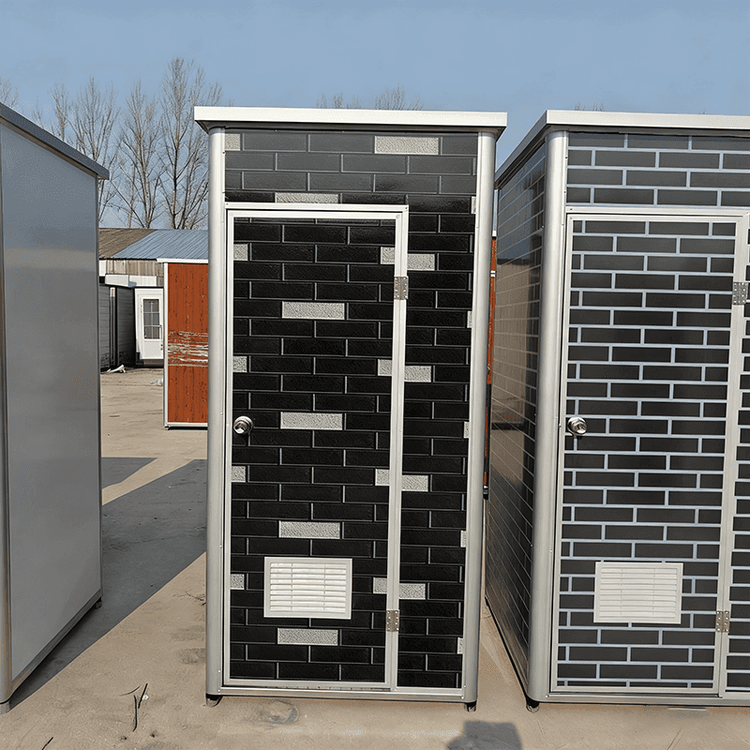
Indoor Three-Sided Mobile Toilet
No standardized product directly labeled as an 'indoor three-sided mobile toilet' has been found, but selections can be adapted based on the general characteristics of mobile toilets combined with the needs of indoor settings.

1. Material and Structural Adaptability of Mobile Toilets
Mobile toilets typically feature a steel frame structure, with exterior wall materials including color-coated steel plates, fiberglass, stainless steel, or aluminum-plastic panels. For example, a certain three-person luxury mobile restroom uses a steel frame structure with an ivory-white aluminum-plastic panel exterior, equipped internally with ceramic squat toilets, flush tanks, and washbasins. Such structures are characterized by high strength, corrosion resistance, and ease of cleaning, making them suitable for short-term or temporary indoor use. For long-term placement, stainless steel or aluminum-plastic panel materials are recommended to enhance durability and aesthetics.
2. Functional Classification and Indoor Scene Requirements
Mobile toilets can be classified into three types based on sewage treatment methods, with the following two being particularly relevant for indoor settings:
- Water-flush type: Flushing is achieved through a water tank or municipal water supply, requiring配套 (matching) sewage pipes or a septic tank. Suitable for indoor venues with drainage facilities (such as shopping malls and office buildings), it effectively reduces odors but requires regular sewage cleanup.
- Dry-pack type: Uses degradable bags to collect waste, requiring no water source or sewage pipes, making it ideal for indoor settings without drainage (such as temporary exhibitions and construction site offices). This type of toilet offers good sealing but requires timely replacement of packing bags to avoid odors.
High-end models may be equipped with smart features (such as automatic flushing and heated toilet seats), but such designs are more commonly found in fixed smart toilets and are rarely explicitly mentioned for mobile toilets. Specific functionalities should be confirmed with the supplier.
3. Key Considerations for Indoor Applications
- Size Adaptability: The width and height of mobile toilets must conform to indoor space limitations. For example, the width of a three-person mobile toilet typically ranges from 1.5 to 2 meters, with a height of approximately 2.2 to 2.5 meters. It is essential to measure indoor door frames and passage dimensions in advance to ensure the feasibility of transportation and installation.
- Ventilation and Deodorization: Enhanced ventilation design is crucial for indoor environments. Models equipped with exhaust fans or activated carbon filtration devices can be selected, or a fresh air system can be installed to assist with deodorization.
- Mobility Convenience: For hoisting or towing-type mobile toilets, reserved transportation passages (such as elevator and staircase widths) must be considered, and the ground load-bearing capacity should be confirmed to avoid damaging the building structure.
4. Brand and Product References
Brands mentioned in search results include 'Baiyi'an' (three-person luxury mobile restroom), 'Baitai', 'Mengyang', etc., but it is not explicitly stated whether their products are specifically designed for indoor use. It is recommended to contact suppliers to confirm the following details:
- Whether customized sizing services are provided;
- Whether the sewage treatment method supports indoor environments;
- Whether additional ventilation or deodorization features are included.
For specific model recommendations, refer to product information from manufacturers like 'Baiyi'an' and request adaptation plans for indoor settings.