
Indoor Single Luxury Mobile Toilet
Currently, there is no standardized product of 'indoor single luxury mobile toilet' clearly available in the market. However, functional and design analysis can be carried out based on the general characteristics of mobile toilets, the requirements for luxury configurations, and the characteristics of indoor scenarios.
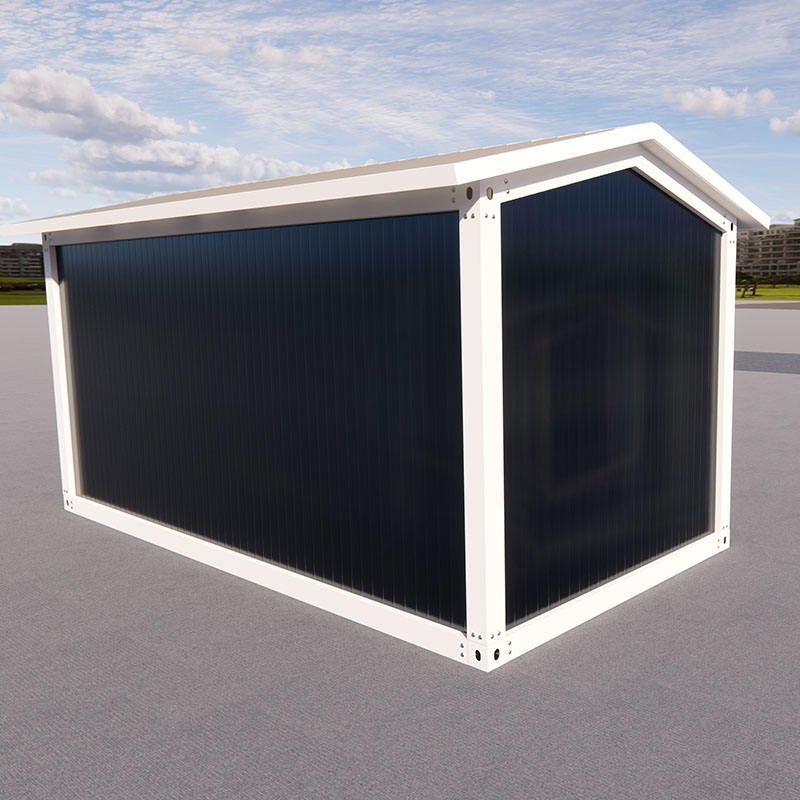
1. Materials and Structure: Balancing Durability and Indoor Adaptability
Traditional outdoor mobile toilets often use thickened galvanized square steel welded frames (with strong corrosion resistance) or PVC integrated bases (waterproof and moisture-proof). The exterior wall materials include metal carved panels (for thermal insulation), color-coated steel sheets, and stainless steel. When used in indoor scenarios, the materials need to be optimized to fit the home environment:
- Frame: Lightweight aluminum alloy or stainless steel can be selected to reduce weight while maintaining structural stability and avoiding long-term pressure on the indoor floor.
- Exterior Wall: Metal carved panels or environmentally friendly composite panels (such as bamboo fiber panels) are more in line with indoor decoration requirements, offering both sound insulation and moisture-proof functions, and allowing customization of textures or colors on the surface.
- Base: PVC integrated or high-density polyethylene (HDPE) materials are still applicable, but anti-slip designs need to be added to avoid the risk of slipping on the indoor floor.
2. Functional Configurations: Meeting the Dual Requirements of 'Luxury' and 'Single-Person Use'
The functions of traditional mobile toilets mainly focus on basic sanitation needs, but 'luxury models' require the following upgraded configurations:
- Smart Sanitary Ware: Integrated smart toilets (with warm water washing, warm air drying, and automatic deodorization functions), sensor-activated faucets, and constant-temperature showerheads (if a shower room is included) are used to enhance user comfort.
- Space Design: For single-person use scenarios, it is recommended that the internal net size be no less than 1.2m×1.2m to ensure turning space. Foldable washbasins and storage cabinets (with built-in dehumidification devices) can be added to optimize the functional layout.
- Environmental Control: Equipped with fresh air systems (with activated carbon filters) or negative ion air purifiers to solve odor problems in enclosed spaces. LED soft light strips are used for lighting to avoid glare.
- Decorative Materials: Waterproof and mold-proof environmentally friendly latex paints or integrated wall panels are used for the walls, and anti-slip floor tiles or PVC flooring are selected for the floor. The overall style can match indoor decoration (such as modern simplicity or light luxury).
3. Application Scenarios and Limitations
Traditional mobile toilets are mainly intended for outdoor public places (such as stations and construction sites). When used indoors, the following issues need to be addressed:
- Drainage and Sewage Disposal: It is necessary to plan the connection of water supply and drainage pipes in advance or choose waterless flushing types (such as foam sealing and microbial degradation technologies). However, the latter has higher costs and requires regular maintenance.
- Ventilation and Lighting: In enclosed indoor environments, ventilation designs need to be strengthened (such as top exhaust fans + side wall air inlets), or transparent lighting panels (such as acrylic materials) can be added to improve natural lighting.
- Mobility: If frequent movement is required, universal wheels (with brake devices) can be installed, but the load-bearing limit of the indoor floor needs to be considered.
If further customization of luxury configurations is required, it is recommended to contact professional manufacturers for personalized design solutions, clearly specifying requirements for smart devices, decorative materials, and space dimensions.



