Production Process of Double-Person Mobile Toilet
The production process of a double-person mobile toilet mainly includes steps such as requirement analysis, material preparation, structural design, manufacturing and processing, modular assembly, installation of internal facilities, interior decoration, surface treatment, and quality inspection.

Requirement Analysis: Determine the size, functions, and decoration requirements of the mobile toilet based on customer needs and specific usage scenarios, and formulate corresponding design plans.
Material Preparation: Select appropriate materials as the main structural materials, such as galvanized steel sheets, aluminum alloy materials, stainless steel sheets, and metal carved panels. These materials are corrosion-resistant, lightweight, and have high strength, making them very suitable for the production of mobile toilets.
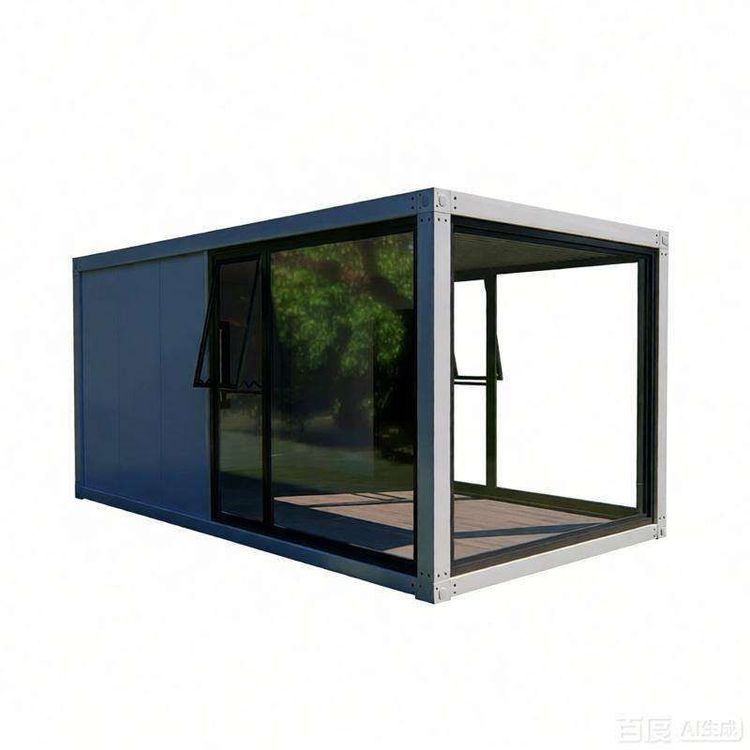
Structural Design: Conduct structural design of the mobile toilet according to the design plan, including walls, roofs, floors, doors, and windows. Reasonable structural design can ensure the stability and comfort of the mobile toilet.
Manufacturing and Processing: Use metal processing equipment to perform cutting, bending, welding, and other processing techniques on the required metal materials to manufacture various components of the toilet. The material preprocessing stage includes cutting and forming. A CNC plasma cutting machine divides the sheets into wall modules according to 3D drawings. Bending is carried out using a hydraulic bending machine, and for curved components, mold hot pressing is required.
Modular Assembly: Adopt an assembly-line operation mode. The floor assembly is the first to enter the assembly station. The non-slip aluminum sheet is bonded to the moisture-proof pad layer with structural adhesive. The wall modules are connected to the floor with special fasteners, and polyurethane foam is injected at the joints for sealing and reinforcement. The pipeline system is pre-embedded in the wall cavity, and the ventilation ducts are hidden in the ceiling sandwich.
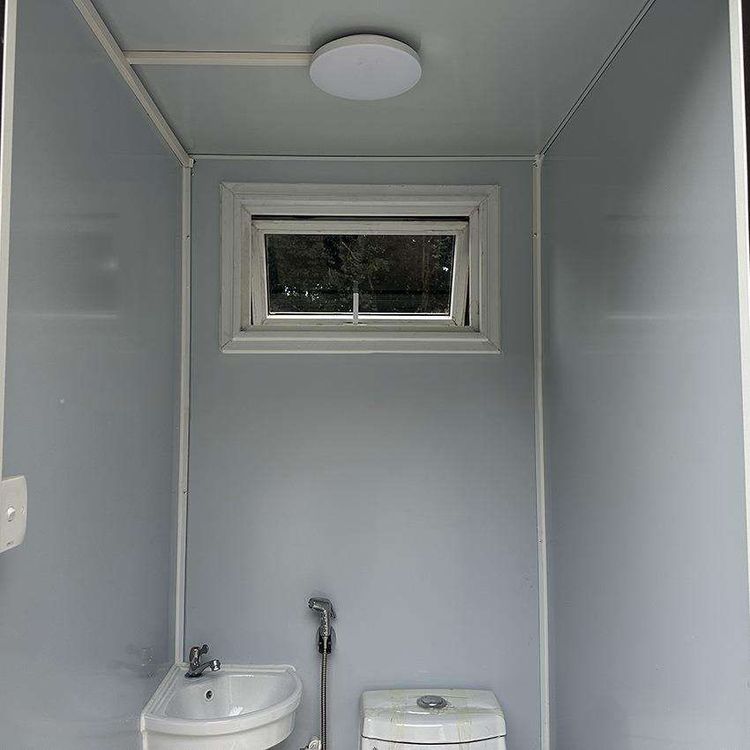
Installation of Internal Facilities: Install internal facilities such as washbasins and toilets following the principle of functional zoning. The washbasin adopts an integrated ceramic basin, which is fixed to the stainless steel bracket with mechanical fasteners. The toilets are installed in different ways according to their types.
Interior Decoration: Decorate the interior of the toilet according to customer requirements, including wall coatings, floor paving, toilet fixture installation, and water and electricity equipment installation. The interior walls are treated with an antibacterial coating. This coating with added silver ions can inhibit microbial growth.
Surface Treatment: The metal surface undergoes multiple spraying processes, including degreasing and phosphating treatment, spraying of epoxy primer, electrophoretic coating, and application of fluorocarbon topcoat to enhance weather resistance. All joints are treated with silicone sealant for secondary waterproofing.
Quality Inspection: Conduct quality inspections of the mobile toilet, including structural stability, water tightness, and the normal operation of electrical equipment, to ensure the safety and reliability of the mobile toilet.