
Indoor Mobile Toilet Images
Currently, we are unable to directly provide images of indoor mobile toilets, but we can offer a popular science introduction to their basic features, types, and applicable scenarios.
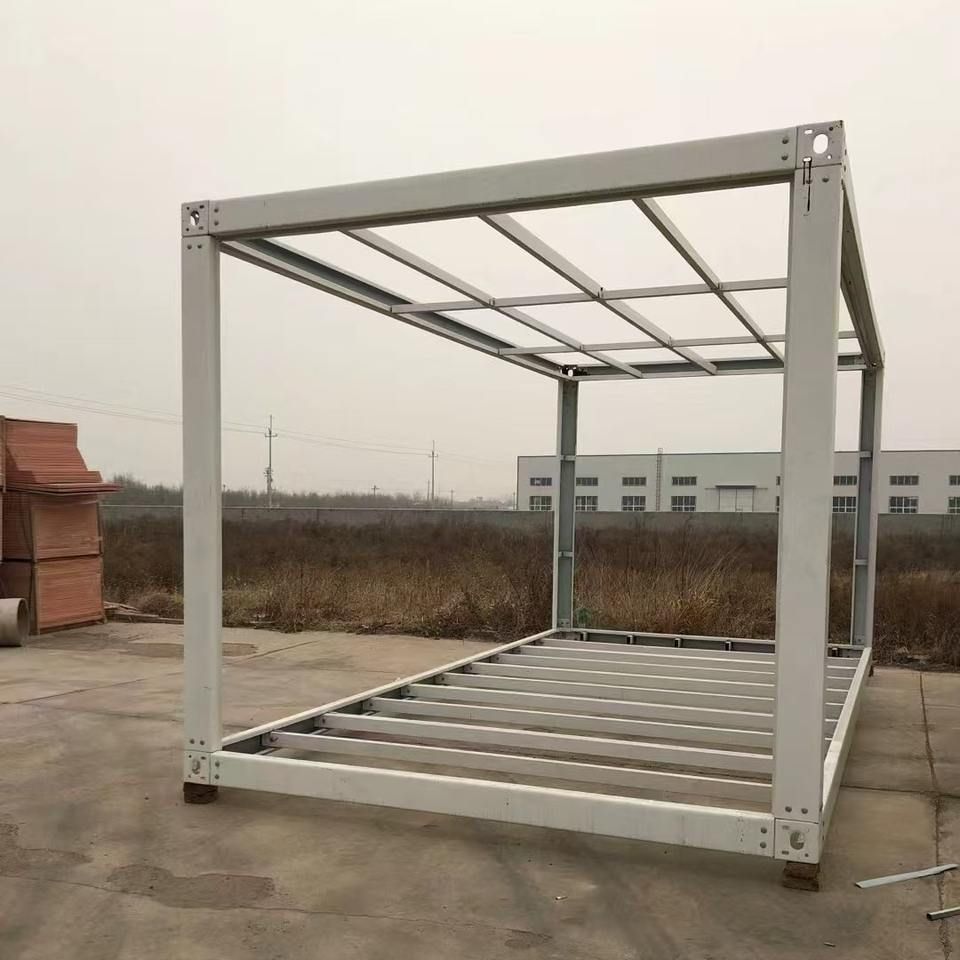
Basic Features
Indoor mobile toilets typically feature compact and flexible designs to meet the needs of various indoor spaces. Their exterior design emphasizes harmony with the surrounding environment to avoid appearing overly obtrusive. They are generally constructed using lightweight yet sturdy materials, such as high-strength plastics and aluminum alloy frames paired with waterproof panels, ensuring both structural stability and ease of movement and installation. The interior is fully equipped with facilities including toilets, sinks, and lighting equipment. Some high-end models may also be equipped with ventilation systems, deodorization devices, and smart sensing equipment to enhance the user experience and hygiene standards.
Type Classification
Based on usage scenarios and functional requirements, indoor mobile toilets can be classified into several types. Simple Type: These have a simple structure and basic functions, suitable for temporary events or short-term use, such as exhibitions and concerts. Standard Type: These are equipped with relatively complete sanitary facilities, including toilets, sinks, and mirrors, and are suitable for occasions requiring longer-term use, such as temporary renovations in public areas like shopping malls and office buildings. Luxury Type: Building on the standard type, these include additional comfort and convenience facilities, such as air conditioning, heating systems, automatic flushing devices, and smart sensing faucets, suitable for high-end venues or environments with extremely high hygiene requirements.
Applicable Scenarios
Indoor mobile toilets are widely used in multiple fields due to their flexibility and convenience. At large-scale event sites, such as sports events and music festivals, they can be quickly deployed to meet the toilet needs of large crowds. On construction sites, they serve as temporary sanitary facilities, providing convenience for workers. During renovations or transformations of public places like shopping malls and office buildings, they can be used as temporary alternatives to ensure normal operations are not affected.



