Indoor Mobile Restroom and Toilet
Indoor mobile restrooms and toilets mainly include two types: mobile bathroom units and mobile toilets. Here is a detailed introduction for you:

Mobile Bathroom Units
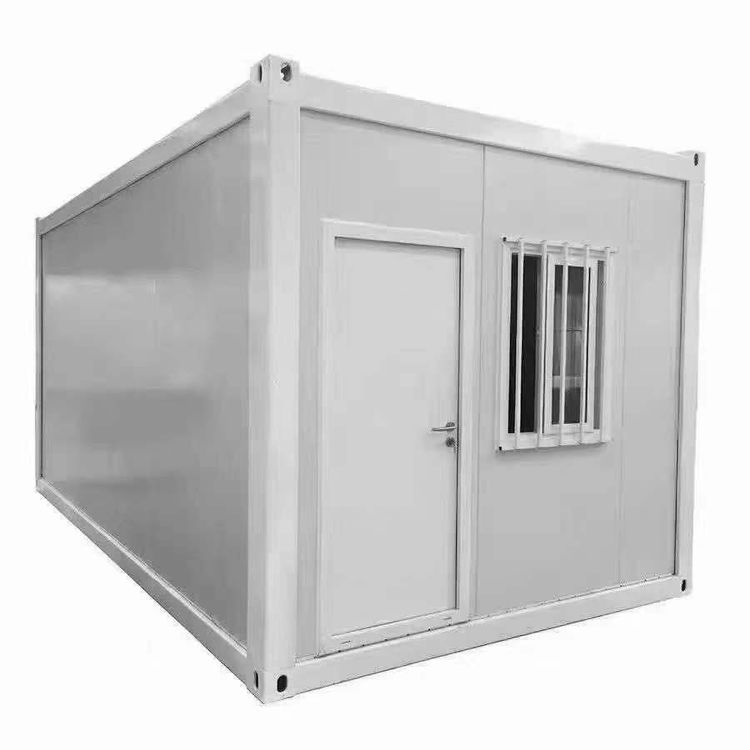
This is an all-in-one bathroom unit that integrates multiple functions, combining the toilet, shower room, and washing machine functions into a single space. For example, there are models that are 2 meters wide and 3.5 meters long. In terms of exterior design, they use double-colored metal insulated decorative panels, which are not only aesthetically pleasing but also have certain insulation properties. The door is made of aluminum alloy with a single glass panel, a design that ensures the door's sturdiness while increasing the sense of spaciousness. Mobile bathroom units are suitable for indoor spaces that are relatively large and have comprehensive demands for bathroom functions, such as some larger offices, studios, or temporary living spaces. They can meet users' needs for using the toilet, showering, and washing clothes in one go.
Mobile Toilets
- Definition and Composition: They can be moved as a whole and can be set up at locations with fixed or temporary needs to provide toilet services for the public and customers. Generally, they are composed of a fecal sewage storage tank (or fecal sewage treatment device), floor panels, sanitary ware, walls, washing equipment, water tanks, roofs, and mobile devices.
- Classification
- By structural form: They can be divided into single-structure mobile toilets and composite-structure mobile toilets. Single-structure models are relatively simple and independent, suitable for spaces with limited room or high flexibility requirements. Composite-structure models are more complex, potentially having more functions and better stability, and are suitable for places with higher usage requirements.
- By moving method: They are classified into lifting and handling mobile toilets and powered and towed mobile toilets. Lifting and handling mobile toilets are easy to be moved and lifted manually or mechanically, suitable for areas with complex terrain or where frequent movement is required. Powered and towed mobile toilets can be moved by vehicles, making movement more convenient and fast, and are suitable for long-distance or large-scale movement needs.
- By sewage treatment method: They are divided into water-flush and waterless-flush suction mobile toilets, circulating water-flush mobile toilets, and dry-packing mobile toilets. Water-flush and waterless-flush suction mobile toilets can effectively treat fecal sewage and keep the toilet clean. Circulating water-flush mobile toilets can save water resources by reusing water through a circulation system. Dry-packing mobile toilets do not require water and package feces in a dry form, making them suitable for areas with scarce water resources.
- Advantages: They have the advantages of being movable, combinable, and easy to transport, and can flexibly adjust their positions and quantities according to actual needs. For example, an economical and practical mobile toilet model has a gray and white color scheme. Products from manufacturers like Taihe Mobile Toilet Production have 8 squatting positions. The overall appearance uses gray and white metal decorative panels. It has separate entrances for men's and women's toilets, sliding windows and stone wall lights on the front wall, independent squatting positions in the toilet compartments, and complete water and electricity sanitary ware. It is suitable for indoor places with a large flow of people and certain quantity and quality requirements for toilet facilities.