
Iceland Container Mobile House
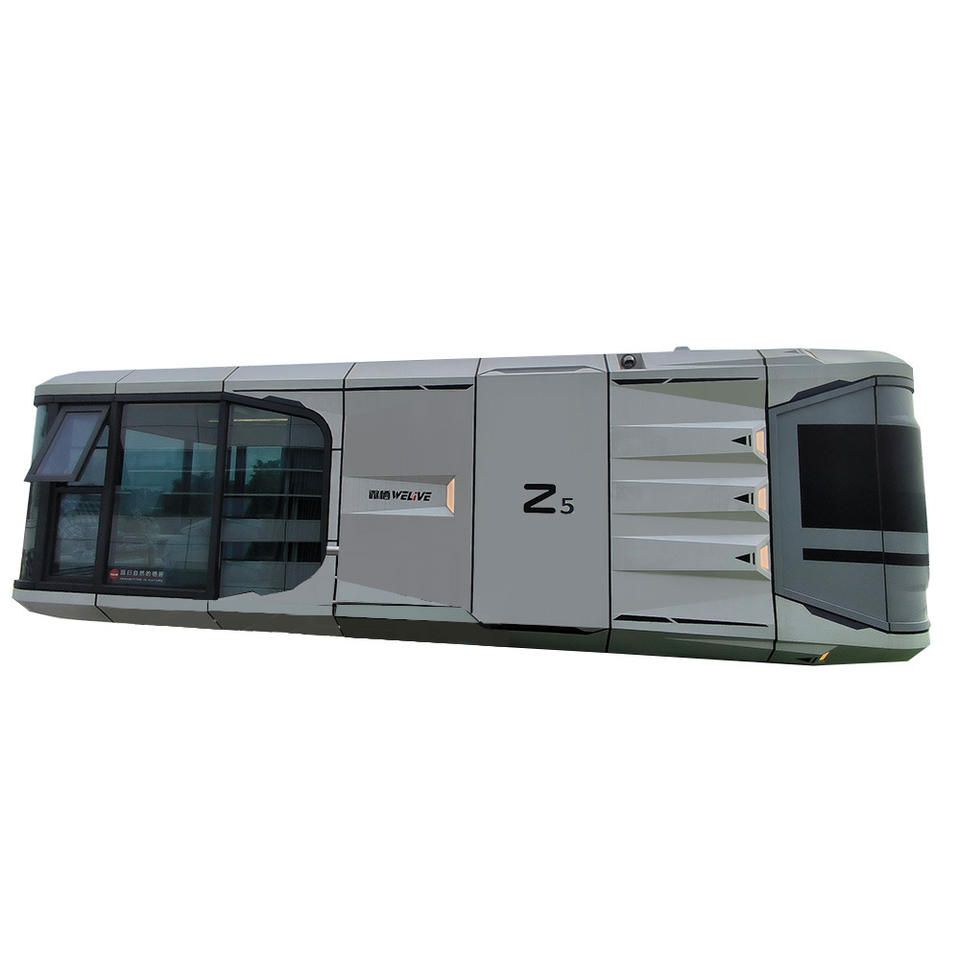
The Iceland container mobile house is exemplified by the Marriott Hotel at Reykjavik Airport, constructed by CIMC Modular Building Investment Co., Ltd. It employs modular steel structure technology, with components prefabricated in Chinese factories and shipped to Iceland for on-site assembly, offering efficiency, environmental friendliness, and adaptability to extreme climates.
I. Project Background and Implementing Entity
The Marriott Hotel at Reykjavik Airport in Iceland is the first steel-structured modular hotel project in Northern Europe, undertaken by CIMC Modular Building Investment Co., Ltd. (a subsidiary of CIMC Group). The project utilized 78 prefabricated container modules, shipped from Guangdong, China, to Iceland, and assembled on-site in just nine days. As the first Courtyard by Marriott hotel in Northern Europe and Iceland's first modular steel structure building, it marks the entry of Chinese modular construction technology into the Northern European market.
II. Technical Features and Advantages
Efficient Prefabrication and Rapid Delivery
Over 90% of the construction processes, including structural, enclosure, mechanical, electrical, and decorative work, are completed in the factory. Only module assembly and exterior wall decoration are required on-site. For example, the Ibis Hotel project in Perth, Australia, completed the delivery of a 17-story building in just four months, reducing the traditional construction period by 60%.Environmental Protection and Sustainability
The recycling rate of container building materials reaches 98%. A single 40-foot container reduces steel consumption by 3.5 tons and lowers carbon emissions by 65% compared to traditional buildings. The Q355B low-alloy high-strength steel used, treated with hot-dip galvanizing, has a corrosion resistance life of over 20 years, and 95% of its components can be reused after retirement.Adaptability to Extreme Environments
Modules employ full-penetration welding processes and ISO Twistlock international standard locks, with each connection point bearing up to 25 tons. They can withstand seismic fortification intensity of 8 degrees and typhoons of Category 12 (wind speeds of 150 km/h). Modules for polar research stations in Northern Europe maintain structural integrity at -40°C.
III. Challenges and Solutions
Differences in Building Codes
Icelandic building codes differ from those in the UK and the US. The CIMC team ensured compliance with Icelandic regulations regarding fire resistance, earthquake resistance, and sound insulation (e.g., curtains must have 100% light blockage to cope with the midnight sun) by translating and interpreting Icelandic-language codes through dedicated personnel.Limitations Imposed by Extreme Cold Climates
Outdoor construction in Iceland is only feasible for a few months each year, often leading to delays in traditional construction projects. The off-site construction approach of modular technology reduces the construction period by 50% and cuts construction waste by more than 50%.



