Back to blog
Article
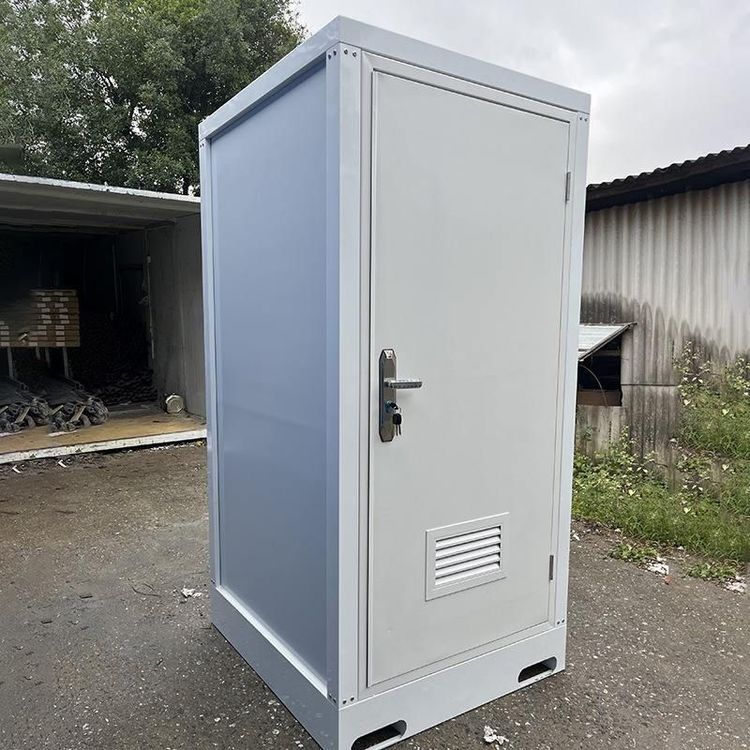
Huzhou Water-Saving Mobile Toilet
Admin September 26, 2026
Huzhou's water-saving mobile toilets achieve efficient water resource utilization through technological optimization, serving as a typical example of the green and low-carbon 'toilet revolution'.

1. Technology Types and Water-Saving Principles
Huzhou's water-saving mobile toilets mainly employ two types of technologies:
- Biodegradation Technology: This technology uses microorganisms to decompose excreta, eliminating the need for water flushing and achieving a 'waterless flush' effect. For example, 'waterless flush ecological toilets' are suitable for water-scarce areas or scenarios with high environmental protection requirements (such as scenic spots and temporary events), eliminating water consumption at the source.
- Recirculating Water Flushing System: This system utilizes physical or chemical methods to purify the water in excreta, creating recyclable flushing water. For instance, some mobile toilets are equipped with small-scale sewage treatment devices that filter and reuse sewage, reducing single-flush water consumption by over 60% compared to traditional toilets.
2. Supporting Water-Saving Facilities and Energy Optimization
- Popularization of Water-Saving Fixtures: All 116 public toilets (including mobile toilets) in Huzhou's central urban area use water-saving toilets and faucets, reducing waste through flow restriction or sensor-based designs. For example, sensor-based faucets only release water when hand movement is detected, preventing continuous water flow.
- Rainwater Harvesting and Solar Power Supply: Some demonstration public toilets (such as Yujiayang Public Toilet) integrate rainwater harvesting systems that purify roof rainwater for toilet flushing, combined with solar panels for power supply, forming a closed loop of 'zero energy consumption + zero water use'. In mobile toilets, solar power modules provide energy for lighting and ventilation equipment, further reducing energy dependence.
3. Application Scenarios and Environmental Benefits
- High Environmental Protection Requirement Scenarios: Biodegradable mobile toilets, with no sewage discharge, are commonly used in nature reserves and around water sources to avoid pollution risks.
- Temporary Events and Dense Areas: Recirculating water flushing toilets are suitable for crowded places such as exhibitions and construction sites, extending the usage time of a single water supply through water recycling and reducing refill frequency.
- Data Support: According to statistics, Huzhou's water-saving mobile toilets achieve a water-saving rate of over 80% compared to traditional toilets. Combined with fixture upgrades, a single public toilet can save hundreds of tons of water annually, significantly reducing urban water supply pressure.
4. Policy Promotion and Transformation Goals
Huzhou has incorporated water-saving mobile toilets into the core measures of the 'toilet revolution', accelerating their popularization through technological subsidies and demonstration project promotion. The goal is not only to conserve water resources but also to drive the transformation of urban public toilets towards low-carbon and intelligent operations through the integration of green technologies, providing a replicable ecological model for the entire country.
Related