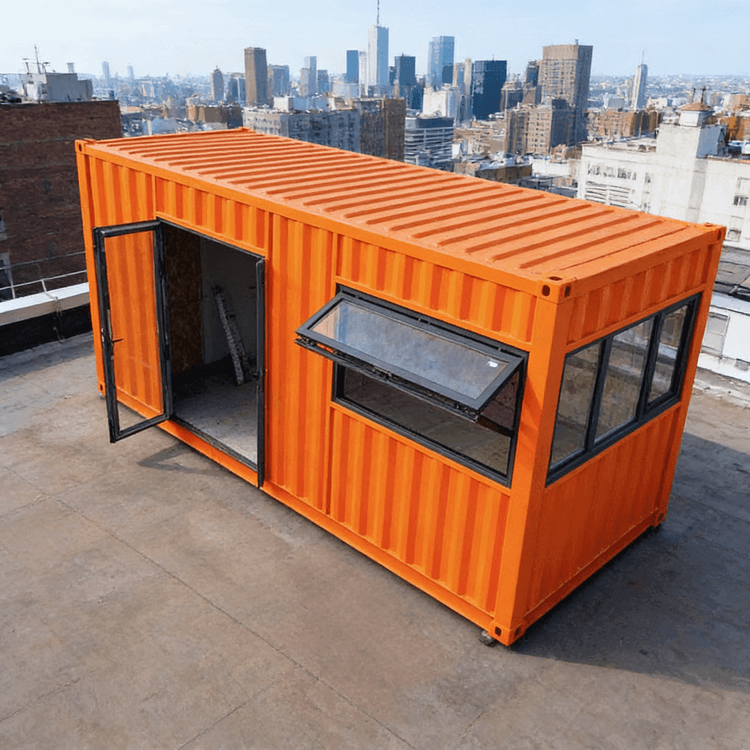
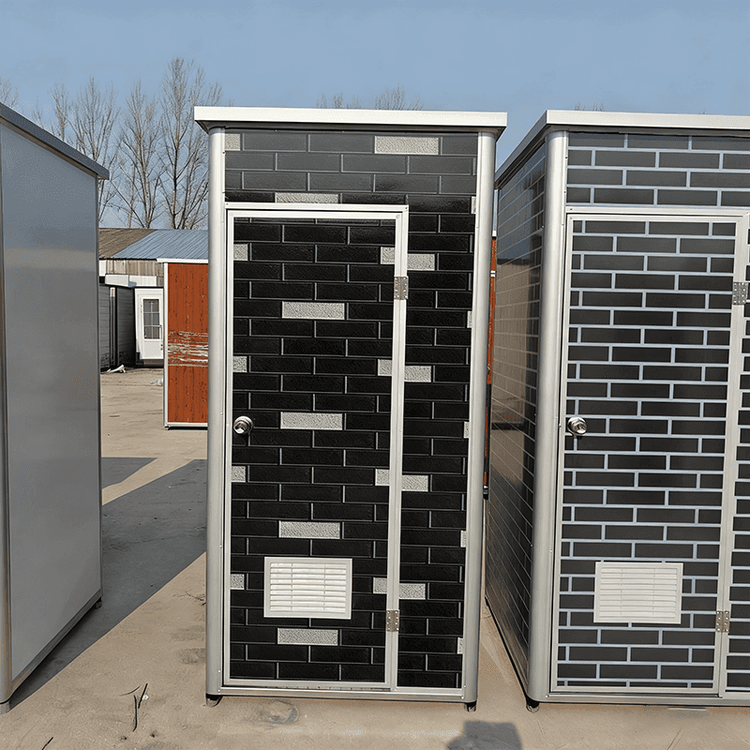
Huzhou Overall Mobile Toilet
The mobile toilet rental service in Huzhou is a systematic temporary public health solution designed for outdoor events or construction projects lacking fixed sanitary facilities. Its core value lies in quickly responding to elastic demands arising from temporal and spatial changes in personnel density through modular design, full-chain services, and resource-intensive allocation. The following elaborates from three dimensions: technical implementation, planning logic, and service model.
I. Technical Implementation: Standardization and Full-Cycle Assurance
The industrial production of mobile toilets is the foundation for rapid deployment. The box structure, sanitary ware, ventilation, and lighting systems all use prefabricated modules to ensure consistent performance and compatible interfaces between units. For example, stainless steel or aluminum alloy box bodies enhance durability, while plastic materials are lighter and more adaptable to different scenarios. The service chain covers transportation, installation, cleaning, and waste disposal: professional teams position and install the units according to site conditions, regularly extract waste, and clean the boxes to prevent a decline in hygiene levels over the rental period. This closed-loop management of 'production-transportation-maintenance' ensures continuous usability of the facilities during the rental period.
II. Planning Logic: Scientific Calculation and Differentiated Allocation
Deployment plans must be comprehensively designed by combining foot traffic, event type, and site characteristics. Quantity and layout follow industry ratio guidelines, such as allocating 1 toilet unit per 50-100 people for large-scale events; point planning prioritizes areas with good concealment, ventilation, and easy access for waste removal vehicles while avoiding main thoroughfares to minimize interference with pedestrian flow; facility differentiation is crucial, with family events requiring additional barrier-free units or母婴护理台 (maternity and baby care stations), and construction sites focusing on the robustness of the sewage system and box structure. For example, a music festival effectively alleviated peak-hour queuing by dynamically monitoring entry numbers and adjusting the number of open toilet units in real time.
III. Service Model: Cost Control and Efficiency Optimization
The rental model achieves resource intensification through 'pay-as-you-go'. For demanders, there is no need to bear the costs of fixed asset investment, long-term maintenance, and post-event disposal; for service providers, equipment reuse and large-scale operations can reduce unit costs. The contract clearly stipulates the rental period, maintenance frequency, and division of responsibilities, transforming sanitation management needs into standardized service procurement. For example, a municipal construction project saved 40% in costs compared to building fixed facilities by renting mobile toilets and did not need to employ dedicated maintenance personnel.
Brands offering this service in the Huzhou area include Xuhu and Changjiu, with product types covering eco-friendly toilets and mobile toilets, and a variety of material options to meet different scenario needs. This model provides an efficient solution for temporary public health assurance through technical standardization, scientific planning, and professional services.