Huzhou Municipal Mobile Toilet
The leasing and installation of Huzhou municipal mobile toilets represent a dynamic solution that integrates comprehensive technical and management services, covering needs assessment, equipment selection, installation and commissioning, as well as full-cycle leasing management. It also incorporates the 'shared toilet' model to enhance the city's restroom service system.

Needs Assessment and Equipment Selection
Before leasing and installation, it is essential to conduct on-site environmental surveys at the designated locations, focusing on analyzing ground bearing capacity, proximity to drainage connections, feasibility of power supply connections, and pedestrian flow patterns to provide data support for equipment selection.
- Waste Treatment Technologies: Different technologies are selected based on regional conditions. In areas of Huzhou with abundant water resources and well-developed municipal sewer systems, flush toilets combined with septic tanks are prioritized, connecting to the municipal system through temporary pipelines. For large event venues and other areas lacking drainage facilities, vacuum suction toilets (equipped with large storage containers) or recirculating water flushing technologies are chosen to reduce reliance on external facilities.
- Other Selection Parameters: These include the number of individual toilet stalls, configuration of barrier-free facilities, material durability (such as fire resistance ratings), etc., which need to be customized based on usage scenarios (e.g., tourist attractions, construction sites, temporary events).
Installation and Commissioning with Engineering Integration
The installation process emphasizes the adaptability of modular units to on-site conditions, with key steps including:
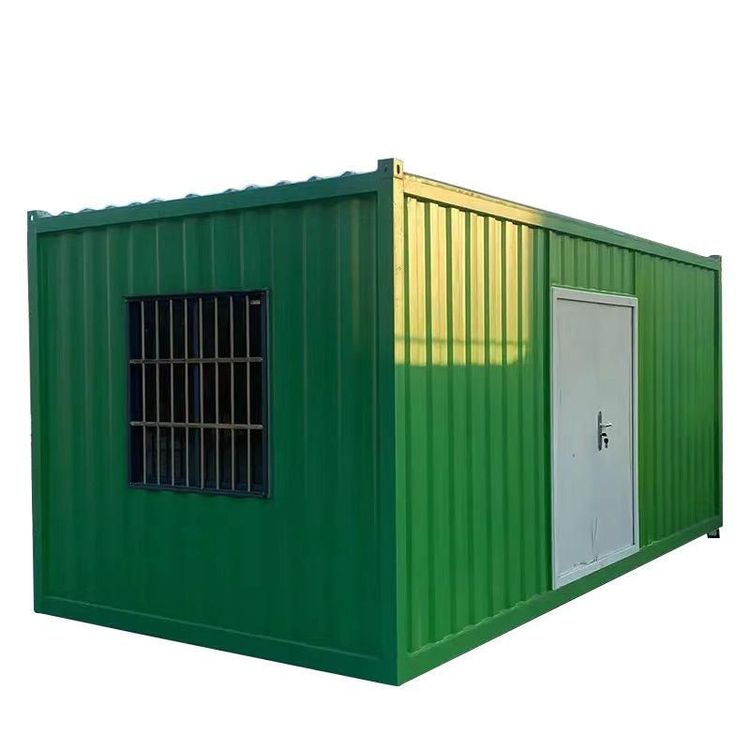
- Foundation Treatment: Concrete precast slabs or steel structural platforms are used for leveling and reinforcement to ensure the long-term stability of the equipment, with particular consideration given to wind and earthquake resistance (e.g., for container-type mobile toilets).
- Pipeline Connection: Dedicated quick-connect technologies are employed to complete the connections of water, electricity, and sewage pipelines, with leak-proof tests conducted to prevent leakage. For container-type toilets, as the internal piping and ventilation systems are pre-fabricated, on-site work mainly involves functional connections and commissioning.
Full-Cycle Leasing Management Services
The leasing model covers full-lifecycle services for the equipment, with contract contents typically including:
- Usage Rights and Basic Services: The right to use the equipment during the leasing period, as well as installation, removal, waste removal, and site restoration.
- Operation and Maintenance Support: Daily maintenance, cleaning, and replenishment of consumables (such as toilet paper and cleaning agents) to ensure continuous usability of the equipment.
The Complementary Role of the 'Shared Toilet' Model
By 2026, Huzhou has formed a 'five-minute restroom access circle' by integrating social resources:
- Opening Entities: Primarily government agencies and institutions, with the first batch of 15 units opening their internal restrooms from March 1st, bringing the total to 177.
- Convenience Measures: Unified installation of directional and informational signs, along with the launch of the 'Huzhou Public Toilets' WeChat mini-program and Gaode Maps to facilitate public access. Opening hours are mostly synchronized with office hours, balancing practicality and management efficiency.
The Huzhou municipal mobile toilet system, through technological adaptation and management innovation, combined with the socialized supplementation of the 'shared toilet' model, effectively enhances the city's public service capabilities.