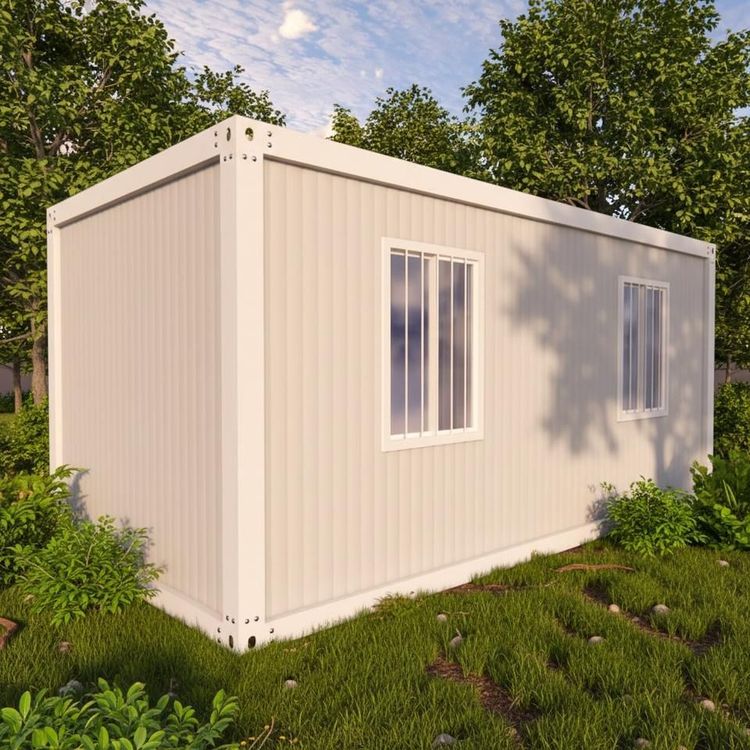
Hubei Modern Mobile Toilet Rental
The mobile toilet rental service in Hubei can meet the temporary toilet needs for outdoor activities, temporary construction, and other scenarios. Wuhan Lanyue Cleaning Service Co., Ltd. is a representative service provider, offering products in multiple materials and types, along with supporting operational plans.

1. Service Application Scenarios and Service Providers
Mobile toilet rental services in Hubei are widely used in outdoor activities (such as music festivals and sports events), temporary construction sites, large gatherings (such as exhibitions and celebrations), and scenic spots. Wuhan Lanyue Cleaning Service Co., Ltd. is a representative service provider, with products covering mainstream materials such as color-steel sandwich panels, metal carvings, stainless steel, and imitation wood. The styles are suitable for different environments such as construction sites, scenic spots, municipal areas, and event venues, and support personalized designs to integrate with local cultural concepts.
2. Types and Functions of Mobile Toilets
Common mobile toilets in Hubei are divided into flush-type and non-flush-type:
- Flush-type: Rely on external water sources and water storage tanks, using a flushing system to clean excreta. They are suitable for venues with water supply (such as scenic spots and municipal areas), but require anti-freezing treatment in winter to prevent pipe freezing and cracking.
- Non-flush-type: Use foam or microbial degradation technology to reduce water consumption. Excreta is treated and converted into harmless substances, making them more suitable for remote construction sites or areas with water scarcity.
Both types of toilets are equipped with leak-proof tank structures, sealed sewage storage systems, ventilation systems (natural or mechanical exhaust), and cleaning systems (disinfectant slow-release devices and biological enzyme deodorizers). Among them, the exhaust fan power should reach more than 20 cubic meters per minute to effectively replace air, and biological enzyme deodorizers can replace ordinary fragrances to control odors at the source.
3. Service Provider Operational Logic and Adaptation Plans
Professional service providers need to formulate logistics scheduling and waste removal cycle plans:
- Waste removal frequency: Set according to the number of users. For example, if 50 people use it per day, waste removal is required every two days to prevent the sewage storage tank from overflowing.
- Geographical adaptation: In response to transportation difficulties in the hilly areas of Hubei, service providers need to optimize vehicle routes; for humidity issues during the rainy season, they use moisture-proof tank materials (such as stainless steel) and regular disinfection to solve the problem.
- Emergency response: Service providers need to provide a clear waste removal schedule, including emergency response times (such as fault repairs and sudden pollution cleanup).
4. User Selection Recommendations
Users should first verify whether the existing equipment meets local climate conditions (such as moisture-proof, wind-resistant, and deodorizing performance) and require service providers to provide a waste removal schedule and an emergency plan to ensure service stability. For example, in winter, they need to confirm the anti-freezing measures for flush-type toilets, and for remote construction sites, they need to evaluate the microbial degradation efficiency of non-flush-type toilets.