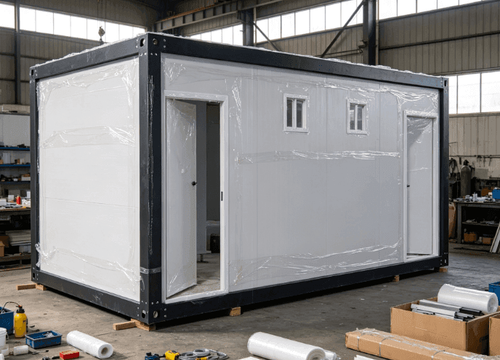
Hubei Marathon Portable Toilet
The rental of portable toilets for the Hubei Marathon requires systematic planning in terms of configuration, quantity, type, and logistics scheduling to ensure they meet the needs of runners and comply with environmental requirements.

1. Configuration Focus: Dynamic Distribution Based on Urination Patterns
The primary need for marathon runners during the race is urination, so the distribution of toilets should be planned in conjunction with the locations of water stations and urination cycles. Water stations are set up every 2.5 kilometers along the course. Runners typically enter a peak urination period 30 to 60 minutes after drinking water, with concentrated urination needs in the latter half of the race (15-30 kilometers) due to密集 (intensive) water intake in the first half. Therefore, portable toilets should not be evenly distributed but should be denser in the latter half, such as placing 3-4 toilet units per kilometer in the 15-30 kilometer range, with fewer in other areas.
2. Quantity Calculation: Segmented Calculation and Peak Matching
A single portable toilet can serve 12-15 people per hour, and the rental quantity should be calculated based on the number of participants and segmented along the course. For a marathon with 20,000 participants and a 6-hour race duration, the peak urination period occurs 2-4 hours after the start. According to IAAF standards (1 toilet unit per 300 people), at least 67 toilet units are needed; however, due to the high mobility of marathon runners, a segmented calculation per kilometer of the course is more appropriate: runners take about 5-10 minutes to pass each kilometer, with no more than 5% of the total number of participants (i.e., 1,000 people) present simultaneously during peak times. Based on this model, 3-4 toilet units are needed per kilometer, totaling approximately 130-170 units for a 42-kilometer course.
3. Type Selection: Suitable for Scenarios and Environmental Needs
- Flush Toilets: Equipped with water supply vehicles and sewage collection equipment, they have a large capacity and long cleaning intervals, making them suitable for the start and finish areas.
- Waterless Packing Toilets: These use biodegradable bags to seal waste, requiring no external water source, and are suitable for the middle sections of the course. Each unit can be used continuously for 50-60 people but requires dedicated personnel to replace the packing bags.
- Chemical Flush Toilets: These use a storage tank for circulating flushing, with each tank accommodating approximately 200 people's waste. However, chemical agents may pollute the soil, so proper disposal of waste is essential.
4. Logistics Scheduling: Balancing Timeliness and Environmental Protection
On race day, toilet installation and securing should be completed by early morning, with a set of toilets (2-3 units) placed every 500 meters along the course to prevent long queues. An additional 20% of the total quantity should be allocated to the start and finish areas to handle peak usage before and after the race. Transport vehicles should enter in batches according to the course closure time, prioritizing the latter half of the course for toilet placement. After the race, removal should be completed within 4 hours, with heavily polluted toilets transported separately to treatment stations. Waste from chemical flush toilets should be precipitated and diluted before discharge, and the rental company must provide proof of harmless waste treatment.
There are professional rental companies in Hubei, such as Chengxu Portable Toilet Rental (Phone: 15869566911), which can provide rental and related services for marathon portable toilets.