Huangshan Temporary Mobile Toilet Design
The design of temporary mobile toilets in Huangshan should incorporate features such as environmental protection, convenience, and practicality. The specific design points are as follows:

1. Lightweight and Modular Design
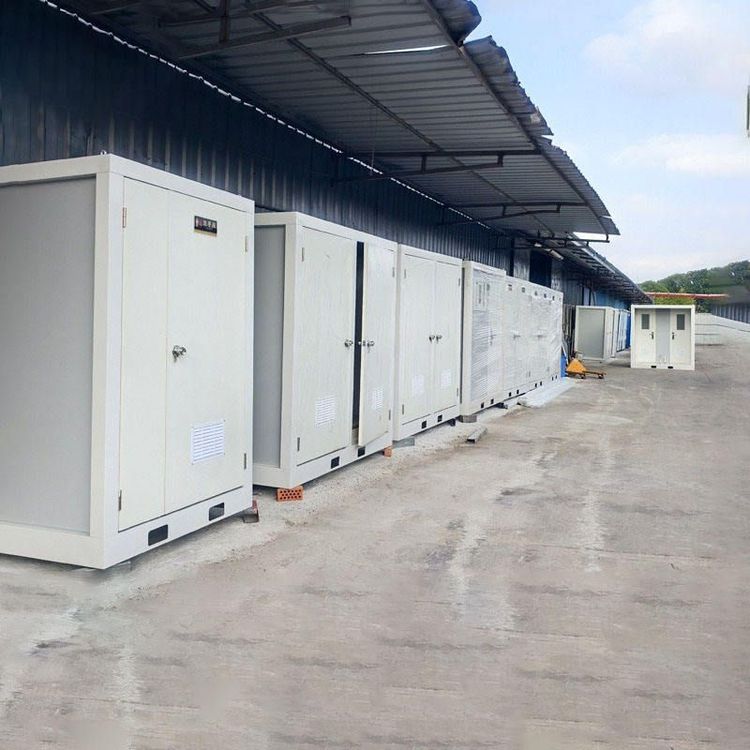
Employ detachable frames (such as galvanized square tubes) and composite panels, resulting in a lightweight structure that is easy to transport and install. Modular design supports rapid positioning and commissioning, with individual toilet units typically covering an area of 2-3 square meters, suitable for narrow sites within scenic areas. This design shortens the construction period, reduces interference with the scenic environment, and facilitates later maintenance or relocation.
2. Basic Functional Configuration
Sanitary facilities should balance water conservation and hygiene: equipped with water-saving flushing systems (using half the water of traditional toilets), odor control devices, non-slip floors, and ventilation openings. Some models utilize biodegradation technology, eliminating the need for water flushing by directly converting waste into organic fertilizer, suitable for areas with scarce water resources or ecological sensitivity. For environmental compliance, built-in fecal collection buckets support regular cleaning and disposal; some products use solar power to further reduce energy consumption.
3. Appearance and Safety
The appearance should harmonize with the scenic environment: the main body is often white or light gray, complemented by rain eaves and observation windows to enhance safety. Metal embossed panels can be customized in color to suit different landscape styles. Location selection should be near tourist paths or sidewalks, with clear guiding signs to avoid difficulties in use due to hidden locations. Special needs of individuals, such as barrier-free access or handrails, should also be considered.
4. Flexible Deployment and Cost Optimization
The toilets can be relocated according to construction progress or event needs, avoiding repeated construction and reducing environmental impact. The procurement cost is approximately 40% lower than that of traditional fixed toilets, and no foundation excavation is required, saving on infrastructure costs. This design is particularly suitable for the seasonal fluctuations in tourist traffic in Huangshan, allowing dynamic adjustment of the number and distribution of toilets.
5. Adaptation to Special Scenarios
For the climatic characteristics of Huangshan, models with sunshades should be prioritized in high-temperature areas to prevent excessive internal temperatures. In terms of scenic area requirements, it is essential to ensure an adequate number of toilets with appropriate spacing (e.g., one unit every 500 meters) and to meet the needs of special groups such as children, the elderly, or individuals with disabilities.
6. Maintenance and Management
Routine inspections should include weekly maintenance of the flushing system and odor control devices, with attention to floor drainage during the rainy season to prevent water accumulation or odors. Prior to use, notification should be given to the local housing and construction department, and fecal waste removal should be handled by licensed sanitation companies to ensure environmental compliance. Regular cleaning and disinfection are also crucial for ensuring a positive user experience.