
Back to blog
Article
Huaibei Residential Container House
Admin September 16, 2026
Huaibei residential container houses offer advantages such as environmental protection, energy efficiency, flexible combination, and convenient disassembly and transportation. However, they also have fire safety hazards and require attention to material selection and safe usage specifications.

Advantages and Features
- Environmental Protection, Energy Efficiency, and Flexible Combination: Residential container houses use eco-friendly materials, aligning with sustainable development concepts. Their modular design allows for flexible combination according to needs, enabling rapid construction of buildings of different scales and functions, such as construction site dormitories, temporary office spaces, and warehouses, meeting diverse usage scenario requirements.
- Convenient Disassembly and Transportation: Container houses have a simple structure, facilitating easy disassembly and transportation. When relocation or layout adjustment is needed, they can be quickly disassembled and reassembled, reducing time and cost investments, especially suitable for temporary or highly mobile projects.
- Durability and Customization: The container bodies are made of high-quality steel, providing good fire and thermal insulation properties and being sturdy and durable. They also support customization according to needs, including size, function, and layout, and can be equipped with doors, windows, air conditioners, lighting, and other facilities, offering the convenience of 'move-in ready' accommodation.
Safety Hazards and Prevention
- Material Hazards: To reduce costs, some container houses use flammable materials such as polystyrene and polyurethane foam as core materials. These materials have poor fire resistance, are prone to causing fires due to electrical welding sparks or cigarette butts, and burn rapidly with high toxicity, increasing the difficulty of firefighting and the risk of personnel evacuation.
- Safety Regulations: To reduce risks, A-grade fire-resistant materials such as rock wool boards and fireproof cotton should be selected for making container houses to ensure compliance with fire safety standards. During use, maintain a safe distance between heat sources, fire sources, and the houses, standardize the laying of electrical wires and cables, equip with firefighting equipment, and maintain a safe spacing (at least 6 meters) between houses.
Application Scenarios
Residential container houses are widely used in fields such as construction sites, field operations, and temporary housing in tourist attractions. Their rapid deployment and flexible adjustment characteristics make them the preferred option for temporary housing.
Related
You may also like

26Oct
How to Choose Container House: A Step-by-Step Guide
Read More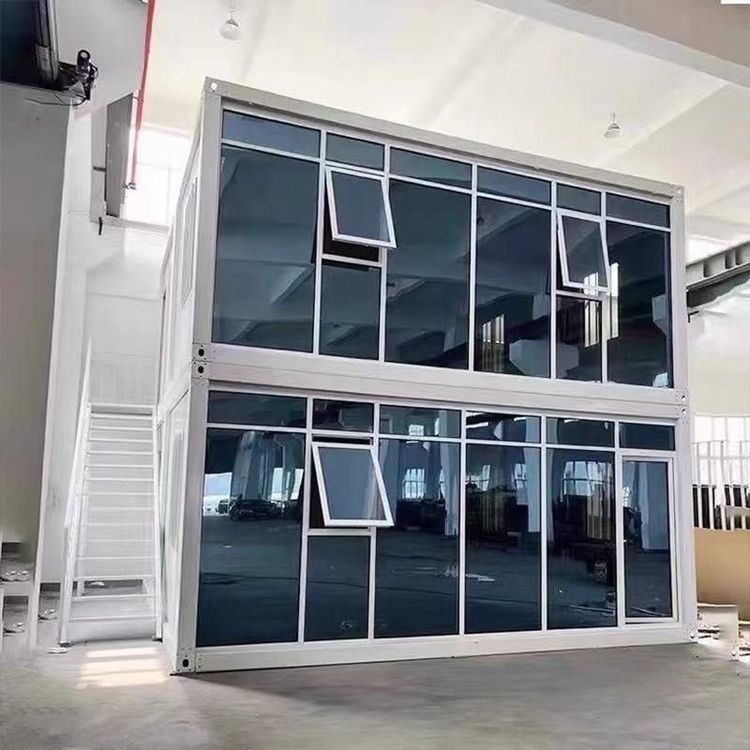
26Oct
Everything You Need to Know About Container House Rental
Read More
26Oct
Portable Toilet Specifications Size & Area Guide: Finding the Right Fit
Read More
26Oct